IBOV 185,992.03 ▲ 0.24% IPSA 11,381.18 ▲ 1.30% IPC MEX 63,684.18 ▲ 0.28% MERVAL 3,061,512 ▲ 1.08% COLCAP 2,521.85 ▲ 0.40% BVL PERÚ 58,965.05 ▲ 1.80% USD/BRL5.12▼ 0.57% USD/MXN17.15▼ 0.57% USD/CLP960.65▲ 0.54% USD/COP3,154▲ 1.02% USD/PEN3.37▲ 0.43% USD/ARS1,510▼ 0.21% USD/UYU40.20▲ 3.11% USD/PYG5,888▲ 2.09% USD/BOB9.75▼ 12.91% USD/DOP58.97▲ 0.20% USD/CRC444.45▲ 2.53% USD/GTQ7.63▲ 3.11% USD/HNL26.85▲ 3.22% USD/NIO36.62▲ 2.69% USD/VES845.33▼ 0.13% USD/PAB1.00— 0.00% USD/BZD2.00— 0.00% USD/JMD 157.28 — 0.00% USD/TTD6.74▲ 2.56% EUR/BRL5.88▼ 0.79% BRENT 88.88 ▼ 0.03% WTI 83.11 ▼ 0.11% IRON ORE 161.91 — — COPPER 6.61 ▲ 0.03% GOLD 4,461 ▲ 1.78% SILVER 65.59 ▲ 1.26% SOY 1,184 ▲ 3.20% CORN 480.50 ▲ 10.02% WHEAT 655.00 ▲ 3.93% COFFEE 317.25 ▼ 5.51% SUGAR 16.43 ▼ 1.79% ORANGE JUICE 138.55 ▼ 0.47% COTTON 85.03 ▲ 2.33% COCOA 5,719 ▲ 3.18% BEEF 223.60 ▼ 3.93% CATTLE 339.10 ▼ 3.16% LITHIUM 75.20 ▲ 1.47% PETR4 41.64 ▼ 0.05% VALE3 72.97 ▲ 0.83% ITUB4 38.60 ▼ 1.03% BBDC4 16.85 ▲ 0.36% ABEV3 14.89 ▼ 0.80% BBAS3 19.37 ▲ 0.47% B3SA3 14.26 ▼ 0.21% WEGE3 47.59 ▲ 0.49% PRIO3 59.14 ▼ 0.19% SUZB3 41.33 ▲ 2.35% RENT3 34.68 ▼ 0.09% AZZA3 15.89 ▼ 2.63% CSAN3 3.22 ▼ 1.83% RAIZ4 0.25 — 0.00% PCAR3 2.75 ▼ 0.36% GMAT3 3.65 ▼ 1.08% PSSA3 48.13 ▼ 0.54% CVCB3 1.33 ▼ 2.92% POSI3 3.36 ▲ 2.44% SLCE3 13.34 ▲ 0.30% NATU3 8.14 ▼ 0.73% IBOV 185,992.03 ▲ 0.24% IPSA 11,381.18 ▲ 1.30% IPC MEX 63,684.18 ▲ 0.28% MERVAL 3,061,512 ▲ 1.08% COLCAP 2,521.85 ▲ 0.40% BVL PERÚ 58,965.05 ▲ 1.80% USD/BRL 5.16 ▲ 0.01% USD/MXN 17.06 ▼ 0.24% USD/CLP 913.98 ▲ 0.04% USD/COP 3,140 ▲ 0.03% USD/PEN 3.36 ▼ 0.66% USD/ARS 1,493 ▲ 0.10% USD/UYU 40.27 ▲ 1.24% USD/PYG 5,939 ▲ 1.68% USD/BOB 11.64 ▼ 0.76% USD/DOP 58.34 ▲ 1.25% USD/CRC 445.92 ▲ 0.89% USD/GTQ 7.62 ▲ 2.21% USD/HNL 26.79 ▲ 1.57% USD/NIO 36.62 ▲ 0.69% USD/VES 762.44 ▼ 0.13% USD/PAB 1.00 — 0.00% USD/BZD 2.00 — 0.00% USD/JMD 157.28 — 0.00% USD/TTD 6.70 ▲ 0.61% EUR/BRL 5.95 ▲ 1.01% BRENT 88.88 ▼ 0.03% WTI 83.11 ▼ 0.11% IRON ORE 161.91 — — COPPER 6.61 ▲ 0.03% GOLD 4,461 ▲ 1.78% SILVER 65.59 ▲ 1.26% SOY 1,184 ▲ 3.20% CORN 480.50 ▲ 10.02% WHEAT 655.00 ▲ 3.93% COFFEE 317.25 ▼ 5.51% SUGAR 16.43 ▼ 1.79% ORANGE JUICE 138.55 ▼ 0.47% COTTON 85.03 ▲ 2.33% COCOA 5,719 ▲ 3.18% BEEF 223.60 ▼ 3.93% CATTLE 339.10 ▼ 3.16% LITHIUM 75.20 ▲ 1.47% PETR4 41.64 ▼ 0.05% VALE3 72.97 ▲ 0.83% ITUB4 38.60 ▼ 1.03% BBDC4 16.85 ▲ 0.36% ABEV3 14.89 ▼ 0.80% BBAS3 19.37 ▲ 0.47% B3SA3 14.26 ▼ 0.21% WEGE3 47.59 ▲ 0.49% PRIO3 59.14 ▼ 0.19% SUZB3 41.33 ▲ 2.35% RENT3 34.68 ▼ 0.09% AZZA3 15.89 ▼ 2.63% CSAN3 3.22 ▼ 1.83% RAIZ4 0.25 — 0.00% PCAR3 2.75 ▼ 0.36% GMAT3 3.65 ▼ 1.08% PSSA3 48.13 ▼ 0.54% CVCB3 1.33 ▼ 2.92% POSI3 3.36 ▲ 2.44% SLCE3 13.34 ▲ 0.30% NATU3 8.14 ▼ 0.73%
since 2009
Friday, September 18, 2026

World-News China

Beijing’s Trillion-Yuan Gamble: Economy Resists Fifth Rescue Attempt

By · March 17, 2025 · 2 min read

The LatAm Brief

One email, every weekday morning. What moved in Latin American markets, politics and expat life.

Yesterday’s subject line: “The Fed raised. Brazil cut, four hours later.”

Free. We send a confirmation link first — nothing arrives until you click it. Unsubscribe with one click in any edition. If you stop opening us for 30 days we stop sending by ourselves, as we assume the interest is no longer there. See our privacy policy. We never share your email.

China’s State Council unveiled a “special action plan” on Sunday to boost domestic consumption through increased household incomes and childcare subsidies.

This latest initiative seeks to reverse declining consumer demand affected by the ongoing property crisis and deflationary pressures. The new plan aims to increase urban and rural incomes while creating a childcare subsidy system to reduce family financial burdens.

Officials also promise to reinforce labor rights, increase pension benefits, and expand visa-free entry for foreign tourists. This announcement follows Premier Li Qiang’s recent address to the National People’s Congress emphasizing the urgent need to stimulate domestic spending.

China maintains an ambitious 5% growth target for 2025 despite mounting challenges. Chinese stocks rallied on the news as investors sought positive signals amid economic uncertainty.

The government hopes these measures will help offset weak external demand expected from escalating trade tensions with the United States. The March 2025 plan represents China’s latest effort in a string of increasingly urgent economic interventions.
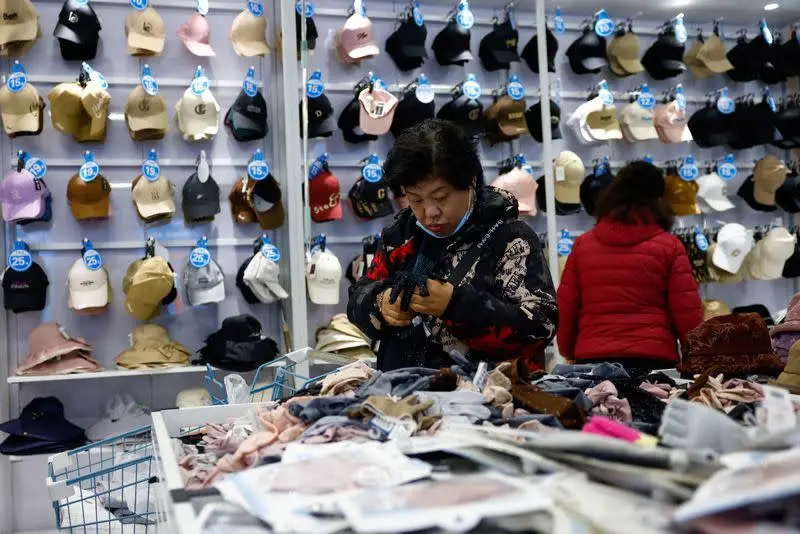
Beijing's Trillion-Yuan Gamble: Economy Resists Fifth Rescue Attempt
Beijing’s Trillion-Yuan Gamble: Economy Resists Fifth Rescue Attempt.
One-stop reference
Company Intelligence
Every listed company in Latin America — financials, ownership and structure for 1,450+ companies across 26 exchanges, in one place.
Browse the directory →
RT
Ask Rio Times
17 years of Latin America reporting, on demand.
Open the full Ask Rio Times →

Last September, China announced its biggest monetary stimulus package since the COVID-19 pandemic. This followed August’s extraordinary 2.3 trillion yuan ($330 billion) special bond issuance.

China’s Economic Challenges and Stimulus Measures

Despite these significant interventions, economic performance remains underwhelming. Official figures claim GDP grew by 4.6% in the third quarter of 2024—though such numbers should be viewed skeptically—falling short of the government’s expectations. The International Monetary Fund projects China‘s growth will decline to 4.5% in 2025.

China’s fiscal expansion includes raising the budget deficit to 4% of GDP for 2025, the highest level since 2010. The government plans to issue 1.3 trillion yuan ($178.9 billion) in ultra-long-term special treasury bonds, 300 billion more than last year.

The economic troubles stem from deeper structural issues. The real estate sector collapse has eroded middle-class savings and depressed spending. Consumer confidence remains low despite previous incentives. Youth unemployment stays problematically high.

Many economists expect total stimulus spending to reach 10 trillion yuan over the next two years. The government hopes this will correct structural imbalances that have defined China’s economy, shifting emphasis from investment and exports toward domestic consumption.

Implementation challenges loom as responsibilities fall to debt-burdened local governments already struggling with declining revenues from land sales.

This article was produced by The Rio Times’ automated newsroom system. How we use AI · Report an error

Read More from The Rio Times

The Rio Times · Power Map
See who really holds power in Latin America
Click to open the Power Map

Rotate for Best Experience

This report is optimized for landscape viewing. Rotate your phone for the full experience.