IBOV 192,114.55 ▲ 2.63% IPSA 10,916.57 ▲ 0.08% IPC MEX 64,531.68 ▲ 1.10% MERVAL 2,767,663 ▲ 0.32% COLCAP 2,515.02 ▼ 0.59% BVL PERÚ 59,751.67 ▲ 0.18% USD/BRL5.22— 0.00% USD/MXN18.15▼ 0.83% USD/CLP989.60— 0.00% USD/COP3,263▼ 1.66% USD/PEN3.43▼ 0.53% USD/ARS1,524▼ 0.04% USD/UYU40.46▲ 3.55% USD/PYG5,821▲ 2.69% USD/BOB11.93▲ 2.09% USD/DOP59.90▲ 0.67% USD/CRC456.38▲ 3.02% USD/GTQ7.64▲ 3.14% USD/HNL26.86▲ 3.19% USD/NIO36.62▲ 2.63% USD/VES864.39▼ 0.13% USD/PAB1.00— 0.00% USD/BZD2.00— 0.00% USD/JMD 157.28 — 0.00% USD/TTD6.69▲ 1.67% EUR/BRL5.87▲ 0.03% BRENT 88.88 ▼ 0.03% WTI 83.11 ▼ 0.11% IRON ORE 161.91 — — COPPER 6.61 ▲ 0.03% GOLD 4,461 ▲ 1.78% SILVER 65.59 ▲ 1.26% SOY 1,184 ▲ 3.20% CORN 480.50 ▲ 10.02% WHEAT 655.00 ▲ 3.93% COFFEE 317.25 ▼ 5.51% SUGAR 16.43 ▼ 1.79% ORANGE JUICE 138.55 ▼ 0.47% COTTON 85.03 ▲ 2.33% COCOA 5,719 ▲ 3.18% BEEF 223.60 ▼ 3.93% CATTLE 339.10 ▼ 3.16% LITHIUM 75.20 ▲ 1.47% PETR4 41.64 ▼ 0.05% VALE3 72.97 ▲ 0.83% ITUB4 38.60 ▼ 1.03% BBDC4 16.85 ▲ 0.36% ABEV3 14.89 ▼ 0.80% BBAS3 19.37 ▲ 0.47% B3SA3 14.26 ▼ 0.21% WEGE3 47.59 ▲ 0.49% PRIO3 59.14 ▼ 0.19% SUZB3 41.33 ▲ 2.35% RENT3 34.68 ▼ 0.09% AZZA3 15.89 ▼ 2.63% CSAN3 3.22 ▼ 1.83% RAIZ4 0.25 — 0.00% PCAR3 2.75 ▼ 0.36% GMAT3 3.65 ▼ 1.08% PSSA3 48.13 ▼ 0.54% CVCB3 1.33 ▼ 2.92% POSI3 3.36 ▲ 2.44% SLCE3 13.34 ▲ 0.30% NATU3 8.14 ▼ 0.73% IBOV 192,114.55 ▲ 2.63% IPSA 10,916.57 ▲ 0.08% IPC MEX 64,531.68 ▲ 1.10% MERVAL 2,767,663 ▲ 0.32% COLCAP 2,515.02 ▼ 0.59% BVL PERÚ 59,751.67 ▲ 0.18% USD/BRL 5.16 ▲ 0.01% USD/MXN 17.06 ▼ 0.24% USD/CLP 913.98 ▲ 0.04% USD/COP 3,140 ▲ 0.03% USD/PEN 3.36 ▼ 0.66% USD/ARS 1,493 ▲ 0.10% USD/UYU 40.27 ▲ 1.24% USD/PYG 5,939 ▲ 1.68% USD/BOB 11.64 ▼ 0.76% USD/DOP 58.34 ▲ 1.25% USD/CRC 445.92 ▲ 0.89% USD/GTQ 7.62 ▲ 2.21% USD/HNL 26.79 ▲ 1.57% USD/NIO 36.62 ▲ 0.69% USD/VES 762.44 ▼ 0.13% USD/PAB 1.00 — 0.00% USD/BZD 2.00 — 0.00% USD/JMD 157.28 — 0.00% USD/TTD 6.70 ▲ 0.61% EUR/BRL 5.95 ▲ 1.01% BRENT 88.88 ▼ 0.03% WTI 83.11 ▼ 0.11% IRON ORE 161.91 — — COPPER 6.61 ▲ 0.03% GOLD 4,461 ▲ 1.78% SILVER 65.59 ▲ 1.26% SOY 1,184 ▲ 3.20% CORN 480.50 ▲ 10.02% WHEAT 655.00 ▲ 3.93% COFFEE 317.25 ▼ 5.51% SUGAR 16.43 ▼ 1.79% ORANGE JUICE 138.55 ▼ 0.47% COTTON 85.03 ▲ 2.33% COCOA 5,719 ▲ 3.18% BEEF 223.60 ▼ 3.93% CATTLE 339.10 ▼ 3.16% LITHIUM 75.20 ▲ 1.47% PETR4 41.64 ▼ 0.05% VALE3 72.97 ▲ 0.83% ITUB4 38.60 ▼ 1.03% BBDC4 16.85 ▲ 0.36% ABEV3 14.89 ▼ 0.80% BBAS3 19.37 ▲ 0.47% B3SA3 14.26 ▼ 0.21% WEGE3 47.59 ▲ 0.49% PRIO3 59.14 ▼ 0.19% SUZB3 41.33 ▲ 2.35% RENT3 34.68 ▼ 0.09% AZZA3 15.89 ▼ 2.63% CSAN3 3.22 ▼ 1.83% RAIZ4 0.25 — 0.00% PCAR3 2.75 ▼ 0.36% GMAT3 3.65 ▼ 1.08% PSSA3 48.13 ▼ 0.54% CVCB3 1.33 ▼ 2.92% POSI3 3.36 ▲ 2.44% SLCE3 13.34 ▲ 0.30% NATU3 8.14 ▼ 0.73%
since 2009
Saturday, October 3, 2026

Banxico’s Record Reserves Are Real—But The Surprise Is Where They Came From

By · January 7, 2026 · 3 min read

Key Points

  1. Mexico’s international reserves reached about $251.828 billion by the end of 2025, the largest annual build since at least 1995.
  2. Nearly 88% of the yearly increase came from valuation gains on assets already held, not from aggressive “dollar buying.”
  3. The reserve surge, paired with IMF insurance, is a market signal: Mexico is prioritizing buffers amid trade-policy uncertainty and geopolitical risk.

Mexico closed 2025 with a headline that sounds like a triumph of central-bank hoarding: Banco de México’s international reserves climbed to roughly $251.828 billion, about 10% above the end-2024 level.

The annual rise—around $22.885 billion—was described as the biggest year-long accumulation since at least 1995, giving Latin America’s second-largest economy one of the region’s most formidable financial shock absorbers.

But the real story is not just the size of the stockpile. It is the mechanics behind it. Banxico’s own weekly account data show that 87.7% of the 2025 increase—about $20.086 billion—came from valuation effects.
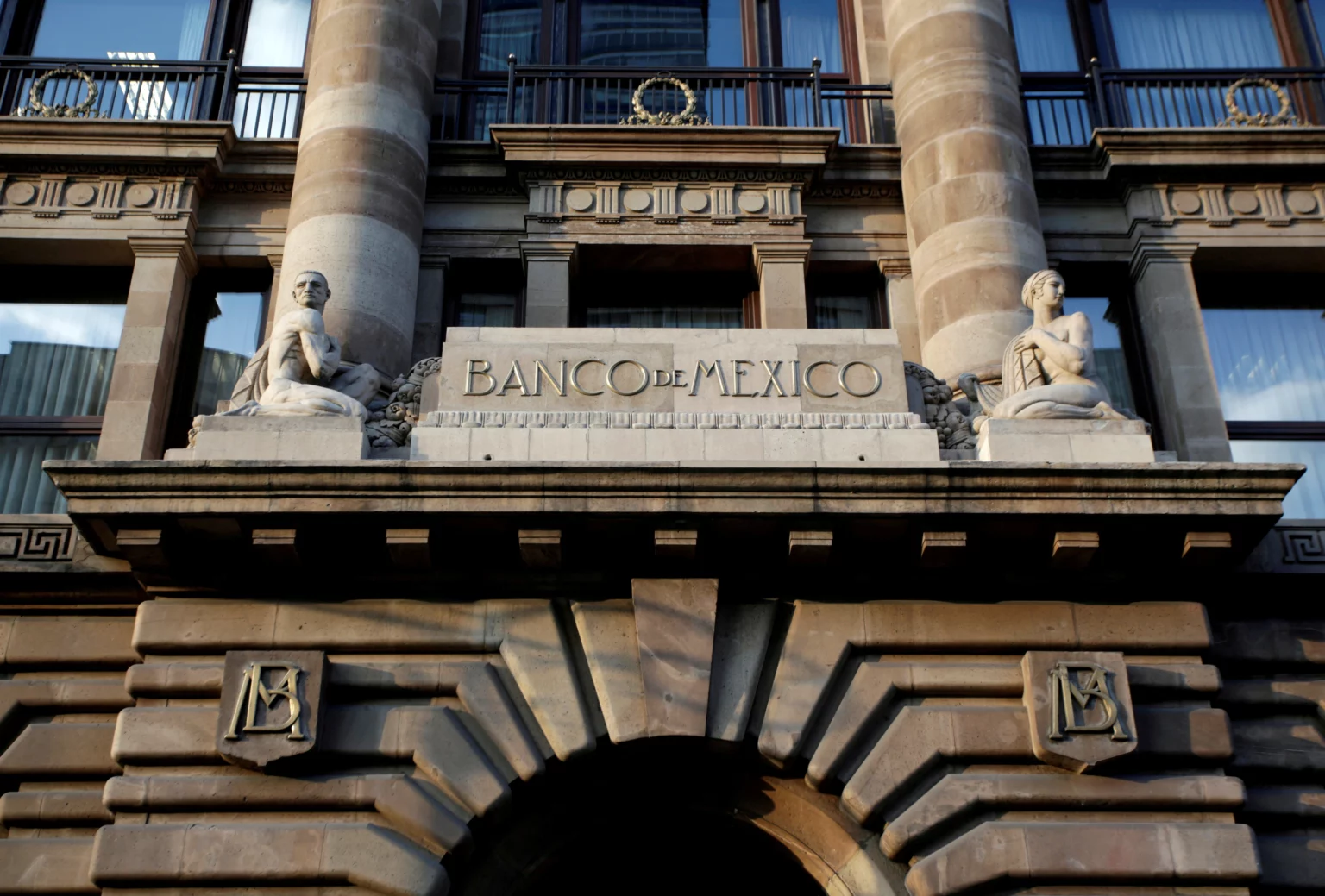
Banxico’s Record Reserves Are Real—But The Surprise Is Where They Came From.
RT
Ask Rio Times
17 years of Latin America reporting, on demand.
Open the full Ask Rio Times →

These reflect changes in the market value of reserve assets as interest rates, bond prices, and currency cross-rates moved. In plain terms, much of the “accumulation” was the portfolio getting more valuable, not a massive, continuous wave of new foreign-currency purchases.

Mexico reserves signal regional resilience

The remainder was linked to public-sector foreign-currency balances held within the central bank’s reporting framework: about $3.095 billion associated with Pemex and around $959 million tied to the federal government’s account.

The LatAm Brief

One email, every weekday morning. What moved in Latin American markets, politics and expat life.

Yesterday’s subject line: “Brazil votes Sunday. A runoff follows if no one tops 50%”

Free. We send a confirmation link first — nothing arrives until you click it. Unsubscribe with one click in any edition. If you stop opening us for 30 days we stop sending by ourselves, as we assume the interest is no longer there. See our privacy policy. We never share your email.

Reserves, by international definition, are external assets (including foreign currency and gold) that are unencumbered and immediately available for stability purposes—tools designed for moments when markets turn, not for routine spending.

The timing helps explain the caution. Regional economists pointed to trade-policy uncertainty from the United States and persistent geopolitical conflicts as reasons central banks have been strengthening buffers.

CEPAL’s “Panorama Económico 2026” said Latin America’s central bank reserves rose about 9.8% in 2025 to roughly $924.424 billion, with Mexico and Brazil singled out as key contributors.

On those totals, Mexico accounted for roughly 27% of the region’s reserves—an outsized share that sends a message of resilience. Global institutions have echoed that assessment.

In late 2025, the IMF described Mexico’s reserves as “comfortable” and approved a new two-year Flexible Credit Line of about $24 billion as precautionary insurance against tail risks.

Banxico’s own communications at the start of 2026 reaffirmed the same reserve level, underscoring that this is not a fleeting accounting artifact but a deliberate posture: build credibility, deter panic, and keep policy options open.

Related coverage: Brazil’s Morning Call | Venezuela’s Defaulted Bonds Just Rallied Hard — Here’s What This is part of The Rio Times’ daily coverage of Latin American news and financial markets.

Key Facts

— Deep Dive

— For the complete picture, read our in-depth guide: Mexico Economy 2026: GDP, Peso, Nearshoring, Banxico and Trade

This article was produced by The Rio Times’ automated newsroom system. How we use AI · Report an error · Editorial responsibility: Matthias Camenzind, Editor-in-Chief

Read More from The Rio Times

The Rio Times · Power Map
See who really holds power in Latin America
Click to open the Power Map →

Rotate for Best Experience

This report is optimized for landscape viewing. Rotate your phone for the full experience.