As Colombia Courts China Under Petro, U.S. Slashes Aid to Record Lows
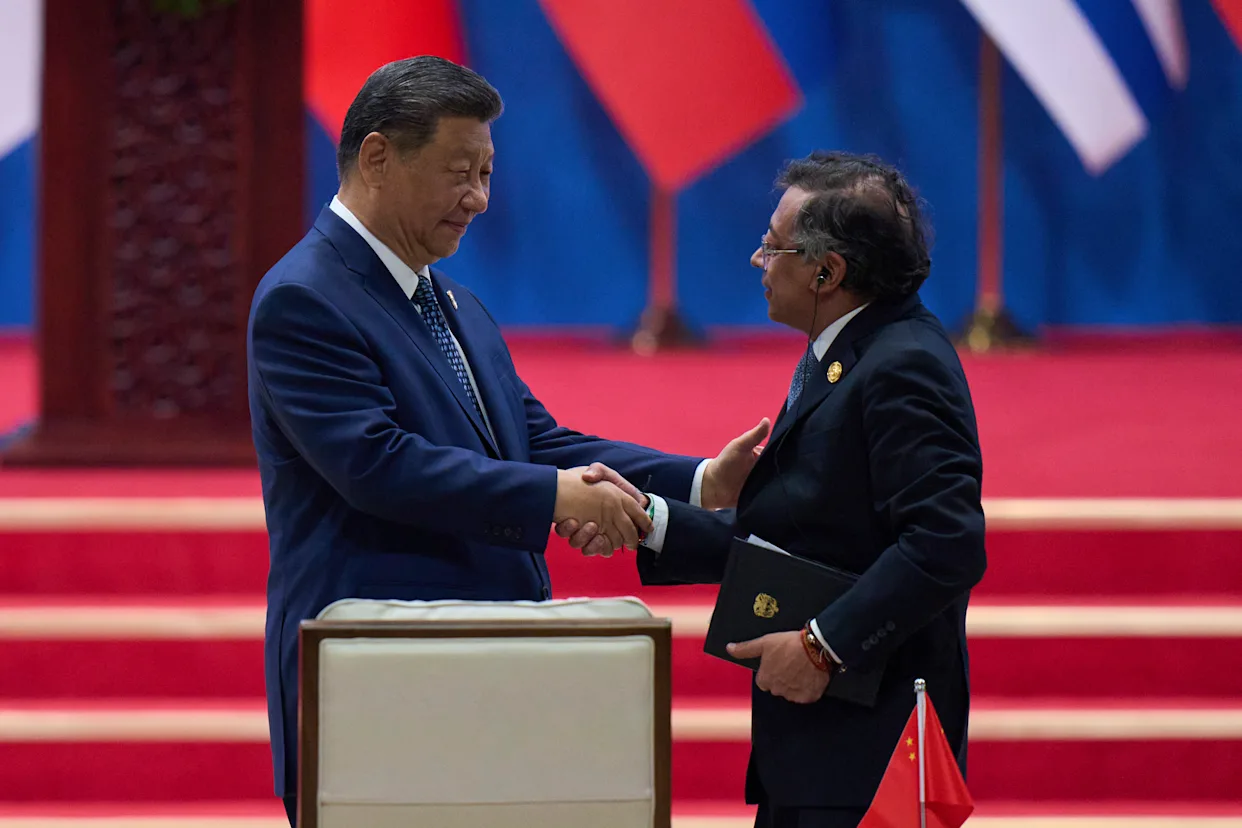
Colombia’s government, led by President Gustavo Petro, chose to build closer ties with China while stepping back from its strong relationship with the United States.
This major shift has brought clear financial and social costs for ordinary Colombians. As Colombia expanded trade with China and joined the Belt and Road Initiative, the U.S. Congress responded by cutting its financial aid to the country in half for 2026.
Support dropped from over $400 million to just $209 million. Almost all of the lost aid targeted programs for job creation, rural development, education, health, and the peace process in conflict regions.
US sources confirm that about 80% of these projects now face disruption or cancellation, leaving Colombia’s poorest and most vulnerable communities without direct support.
On trade, Colombia’s exports to China are mostly raw materials like oil and coal. However, imports from China—cars, electronics, and finished goods—far exceed what Colombia ships out, leaving a record $12 billion trade deficit last year.
This hurts local industries, puts many small businesses at risk, and causes lost factory jobs. Meanwhile, US investment and trade benefits have slowed or stopped.
Colombia Faces Trade Challenges
The Trump administration extended tariffs and paused cooperation in several sectors, making it much harder for Colombian businesses to access the American market, which still buys half of Colombia’s exports.
Colombian officials and business leaders warn that the hoped-for benefits of closer China ties—such as new infrastructure, big investments, and better markets—have not fully arrived.
Instead, Colombia faces more debt, stalled projects, and has lost the steady support and partnership that came from Washington. Most experts agree that this change in foreign policy was risky.
The loss of US funding hits hardest in Colombian communities still recovering from decades of conflict and poverty. As Colombia looks for a way forward, many see a need to balance new alliances.
However, they warn that moving away from traditional economic partners brings real-world consequences that everyday people now feel.
More: Colombia news in English, every day from The Rio Times.
This article was produced by The Rio Times’ automated newsroom system. How we use AI · Report an error · Editorial responsibility: Matthias Camenzind, Editor-in-Chief