IBOV 170,653 ▼ 0.79% IPSA 10,947 ▼ 0.71% IPC MEX 66,610 ▼ 0.10% MERVAL 3,202,490 ▼ 0.67% COLCAP 2,312.96 ▲ 0.81% BVL PERÚ 55,516.19 ▼ 1.10% USD/BRL5.15▼ 0.11% USD/MXN17.56▼ 0.15% USD/CLP935.43▲ 0.10% USD/COP3,336▼ 0.05% USD/PEN3.40▼ 0.24% USD/ARS1,487▼ 0.03% USD/UYU40.19▲ 1.19% USD/PYG6,050▲ 1.86% USD/BOB9.85▲ 1.50% USD/DOP58.57▼ 0.14% USD/CRC449.85▲ 1.48% USD/GTQ7.62▲ 2.24% USD/HNL26.72▲ 1.48% USD/NIO36.62▼ 0.45% USD/VES698.47▲ 1.95% USD/PAB1.00— 0.00% USD/BZD2.00— 0.00% USD/JMD157.27▲ 0.88% USD/TTD6.70▲ 0.62% EUR/BRL5.88▼ 0.17% BRENT 78.42 ▲ 0.51% WTI 73.82 ▲ 0.41% IRON ORE 161.91 — — COPPER 6.22 ▲ 2.70% GOLD 4,114 ▲ 1.06% SILVER 59.35 ▲ 2.03% SOY 1,188 ▼ 0.61% CORN 451.50 ▲ 3.85% WHEAT 606.00 ▲ 1.08% COFFEE 315.75 ▼ 2.62% SUGAR 14.96 ▼ 0.99% ORANGE JUICE 153.15 ▼ 5.52% COTTON 80.04 ▲ 5.03% COCOA 6,146 ▲ 3.14% BEEF 237.78 ▼ 0.27% CATTLE 362.30 ▲ 0.46% LITHIUM 72.12 ▼ 2.28% PETR4 39.65 ▲ 3.15% VALE3 72.70 ▼ 4.59% ITUB4 41.89 ▼ 1.27% BBDC4 17.69 ▼ 0.73% ABEV3 15.62 ▲ 0.06% BBAS3 19.53 ▼ 1.01% B3SA3 14.24 ▼ 2.00% WEGE3 45.35 ▼ 1.13% PRIO3 56.42 ▲ 0.34% SUZB3 40.83 ▼ 0.22% RENT3 38.84 ▼ 0.64% AZZA3 17.90 ▼ 1.00% CSAN3 3.75 ▼ 2.34% RAIZ4 0.38 ▼ 2.56% PCAR3 2.71 ▼ 0.37% GMAT3 3.74 ▲ 4.47% PSSA3 52.50 ▲ 1.94% CVCB3 1.22 ▼ 1.61% POSI3 3.78 ▲ 0.53% SLCE3 13.21 ▲ 0.38% NATU3 8.50 ▲ 5.59% BRKM5 6.14 ▲ 2.16% RANI3 7.88 ▼ 0.25% CSNA3 4.67 ▼ 1.48% CMIN3 4.66 ▲ 2.42% USIM5 8.35 ▼ 0.95% GGBR4 22.14 ▲ 1.33% ENEV3 25.50 ▼ 0.66% CPFE3 45.46 ▲ 0.04% CMIG4 10.80 ▼ 1.19% EQTL3 38.65 ▼ 1.25% LREN3 13.71 ▲ 0.44% VIVT3 34.31 — 0.00% RAIL3 13.25 ▼ 1.85% KLABIN 17.16 ▼ 0.06% RAIA DROGASIL 17.32 ▼ 1.59% RDOR3 34.08 ▼ 2.15% HAPV3 9.96 ▼ 2.26% FLRY3 15.41 ▼ 1.03% SMTO3 15.25 ▼ 0.46% UGPA3 29.36 ▲ 4.11% VBBR3 31.65 ▲ 2.56% BBSE3 38.75 ▲ 0.52% BPAC11 53.95 ▼ 1.10% CURY3 31.33 ▼ 7.85% AERI3 2.03 ▼ 0.49% VIVARA 22.17 ▼ 2.21% COMPASS 24.52 ▼ 1.64% VAMOS 2.81 ▼ 2.77% SANB11 25.60 ▼ 1.58% ASAI3 8.49 ▼ 0.47% SBSP3 29.25 ▼ 0.75% WALMEX 49.78 ▼ 0.60% GMEXICO 196.37 ▲ 1.10% FEMSA 224.71 ▼ 0.87% CEMEX 21.36 ▲ 0.71% GFNORTE 187.67 ▼ 0.27% BIMBO 57.03 ▲ 0.62% TELEVISA 9.53 ▼ 0.94% AMX 23.18 ▲ 0.96% GAP 416.00 ▲ 0.19% ASUR 284.69 ▼ 1.45% OMA 236.19 ▲ 0.76% KOF 183.45 ▼ 0.85% GRUMA 284.21 ▼ 0.98% KIMBER 38.72 ▼ 0.82% SQM-B 69,501 ▲ 2.30% COPEC 6,030 ▼ 0.33% BSANTANDER 77.10 ▼ 1.78% FALABELLA 5,880 ▼ 2.00% ENELAM 85.39 ▲ 0.77% CENCOSUD 2,079 ▼ 0.10% CMPC 1,079 ▲ 0.33% BANCO CHILE 185.45 ▼ 1.09% LATAM AIR 25.50 ▼ 2.86% YPF 75,725 ▲ 1.75% GGAL 7,910 ▼ 1.68% PAMPA 5,210 ▲ 0.58% TXAR 665.00 ▼ 1.41% ALUAR 960.00 ▼ 3.03% TGS 9,355 ▲ 0.27% CEPU 2,310 ▼ 0.82% MIRGOR 17,400 ▲ 0.58% COME 45.47 ▲ 2.87% LOMA NEGRA 3,510 ▼ 0.85% BYMA 309.75 ▲ 1.14% TELECOM ARG 4,133 ▲ 1.29% ECOPETROL 15.13 ▲ 3.00% BANCOLOMBIA 80.21 ▼ 1.07% GRUPO AVAL 4.84 ▼ 1.63% CREDICORP 381.47 ▼ 1.29% SOUTHERN COPPER 167.21 ▼ 1.50% BUENAVENTURA 28.36 ▼ 1.90% MERCADOLIBRE 1,809 ▼ 0.23% NUBANK 13.37 ▼ 1.76% XP 15.44 ▼ 3.32% PAGSEGURO 8.77 ▼ 1.46% STONE 10.52 ▼ 1.50% GLOBANT 29.90 ▼ 5.53% TECNOGLASS 43.94 ▲ 1.60% GAP AIRPORT 236.30 ▼ 0.37% ASUR 284.69 ▼ 1.45% OMA AIRPORT 107.30 ▲ 0.12% AMX ADR 26.41 ▲ 0.99% FEMSA ADR 127.80 ▼ 1.31% CEMEX ADR 12.17 ▲ 0.50% PETROBRAS ADR 17.24 ▲ 3.48% VALE ADR 14.05 ▼ 4.36% ITAU ADR 8.16 ▼ 0.85% SANTANDER BR 5.04 ▼ 1.18% AMBEV ADR 3.02 ▲ 0.67% CSN 0.92 ▼ 0.41% GERDAU 4.30 ▲ 0.47% LATAM ADR 54.49 ▼ 3.95% BTC 62,855 ▲ 0.96% ETH 1,752 ▲ 0.53% SOL 77.97 ▲ 0.24% XRP 1.09 ▲ 0.30% BNB 570.44 ▲ 0.38% ADA 0.17 ▲ 0.36% DOGE 0.07 ▲ 0.32% AVAX 6.68 ▲ 3.31% LINK 7.73 ▲ 1.36% DOT 0.83 ▲ 0.47% LTC 43.83 ▲ 0.47% BCH 236.56 ▲ 0.60% TRX 0.33 ▲ 0.88% XLM 0.18 ▼ 0.05% HBAR 0.07 ▲ 2.00% NEAR 1.90 ▲ 0.53% ATOM 1.57 ▲ 0.27% AAVE 88.38 ▲ 0.23% SELIC 14.25% EMBRAER 81.50 ▼ 4.48% EMBRAER ADR 63.42 ▼ 3.87% JBS 11.82 ▼ 3.04% JBS BDR 60.90 ▼ 3.64% MBRF3 15.38 ▼ 2.23% MBRFY 2.91 ▼ 3.96% INTER 5.57 ▼ 0.36% EGX 52,248 ▲ 0.42% USD/ZAR16.38▼ 0.24% USD/NGN 1,375 — 0.00% NIKKEI 67,744 ▲ 1.38% CSI300 4,876 ▲ 2.54% HSI 24,030 ▼ 0.70% NIFTY 23,963 ▲ 0.34% KOSPI 7,292 ▲ 0.62% JCI 5,912 ▲ 0.67% USD/JPY162.43▼ 0.10% USD/CNY6.79▼ 0.14% DAX 24,952 ▲ 0.22% CAC 8,273 ▲ 0.25% FTSE 10,422 ▼ 0.64% MIB 52,276 ▲ 0.89% IBEX 19,290 ▲ 0.97% STOXX 637.58 ▲ 0.26% EUR/USD1.14▲ 0.14% GBP/USD1.34▲ 0.43% SPX 7,483 ▼ 0.28% DJI 52,348 ▼ 1.09% NDX 29,253 ▲ 0.27% RUT 2,956 ▼ 0.88% TSX 34,936 ▼ 0.95% VIX 16.87 ▼ 0.18% USD/CAD1.42▲ 0.03% US10Y 4.5690 ▲ 0.88% IBOV 170,653 ▼ 0.79% IPSA 10,947 ▼ 0.71% IPC MEX 66,610 ▼ 0.10% MERVAL 3,202,490 ▼ 0.67% COLCAP 2,312.96 ▲ 0.81% BVL PERÚ 55,516.19 ▼ 1.10% USD/BRL 5.15 ▼ 0.11% USD/MXN 17.56 ▼ 0.15% USD/CLP 935.43 ▲ 0.10% USD/COP 3,336 ▼ 0.05% USD/PEN 3.40 ▼ 0.24% USD/ARS 1,487 ▼ 0.03% USD/UYU 40.19 ▲ 1.19% USD/PYG 6,050 ▲ 1.28% USD/BOB 9.85 ▲ 1.50% USD/DOP 58.57 ▼ 0.14% USD/CRC 449.85 ▲ 1.48% USD/GTQ 7.62 ▲ 2.24% USD/HNL 26.72 ▲ 1.48% USD/NIO 36.62 ▼ 0.45% USD/VES 698.47 ▲ 1.95% USD/PAB 1.00 — 0.00% USD/BZD 2.00 — 0.00% USD/JMD 157.27 ▲ 0.88% USD/TTD 6.70 ▲ 0.62% EUR/BRL 5.88 ▼ 0.17% BRENT 78.42 ▲ 0.51% WTI 73.82 ▲ 0.41% IRON ORE 161.91 — — COPPER 6.22 ▲ 2.70% GOLD 4,114 ▲ 1.06% SILVER 59.35 ▲ 2.03% SOY 1,188 ▼ 0.61% CORN 451.50 ▲ 3.85% WHEAT 606.00 ▲ 1.08% COFFEE 315.75 ▼ 2.62% SUGAR 14.96 ▼ 0.99% ORANGE JUICE 153.15 ▼ 5.52% COTTON 80.04 ▲ 5.03% COCOA 6,146 ▲ 3.14% BEEF 237.78 ▼ 0.27% CATTLE 362.30 ▲ 0.46% LITHIUM 72.12 ▼ 2.28% PETR4 39.65 ▲ 3.15% VALE3 72.70 ▼ 4.59% ITUB4 41.89 ▼ 1.27% BBDC4 17.69 ▼ 0.73% ABEV3 15.62 ▲ 0.06% BBAS3 19.53 ▼ 1.01% B3SA3 14.24 ▼ 2.00% WEGE3 45.35 ▼ 1.13% PRIO3 56.42 ▲ 0.34% SUZB3 40.83 ▼ 0.22% RENT3 38.84 ▼ 0.64% AZZA3 17.90 ▼ 1.00% CSAN3 3.75 ▼ 2.34% RAIZ4 0.38 ▼ 2.56% PCAR3 2.71 ▼ 0.37% GMAT3 3.74 ▲ 4.47% PSSA3 52.50 ▲ 1.94% CVCB3 1.22 ▼ 1.61% POSI3 3.78 ▲ 0.53% SLCE3 13.21 ▲ 0.38% NATU3 8.50 ▲ 5.59% BRKM5 6.14 ▲ 2.16% RANI3 7.88 ▼ 0.25% CSNA3 4.67 ▼ 1.48% CMIN3 4.66 ▲ 2.42% USIM5 8.35 ▼ 0.95% GGBR4 22.14 ▲ 1.33% ENEV3 25.50 ▼ 0.66% CPFE3 45.46 ▲ 0.04% CMIG4 10.80 ▼ 1.19% EQTL3 38.65 ▼ 1.25% LREN3 13.71 ▲ 0.44% VIVT3 34.31 — 0.00% RAIL3 13.25 ▼ 1.85% KLABIN 17.16 ▼ 0.06% RAIA DROGASIL 17.32 ▼ 1.59% RDOR3 34.08 ▼ 2.15% HAPV3 9.96 ▼ 2.26% FLRY3 15.41 ▼ 1.03% SMTO3 15.25 ▼ 0.46% UGPA3 29.36 ▲ 4.11% VBBR3 31.65 ▲ 2.56% BBSE3 38.75 ▲ 0.52% BPAC11 53.95 ▼ 1.10% CURY3 31.33 ▼ 7.85% AERI3 2.03 ▼ 0.49% VIVARA 22.17 ▼ 2.21% COMPASS 24.52 ▼ 1.64% VAMOS 2.81 ▼ 2.77% SANB11 25.60 ▼ 1.58% ASAI3 8.49 ▼ 0.47% SBSP3 29.25 ▼ 0.75% WALMEX 49.78 ▼ 0.60% GMEXICO 196.37 ▲ 1.10% FEMSA 224.71 ▼ 0.87% CEMEX 21.36 ▲ 0.71% GFNORTE 187.67 ▼ 0.27% BIMBO 57.03 ▲ 0.62% TELEVISA 9.53 ▼ 0.94% AMX 23.18 ▲ 0.96% GAP 416.00 ▲ 0.19% ASUR 284.69 ▼ 1.45% OMA 236.19 ▲ 0.76% KOF 183.45 ▼ 0.85% GRUMA 284.21 ▼ 0.98% KIMBER 38.72 ▼ 0.82% SQM-B 69,501 ▲ 2.30% COPEC 6,030 ▼ 0.33% BSANTANDER 77.10 ▼ 1.78% FALABELLA 5,880 ▼ 2.00% ENELAM 85.39 ▲ 0.77% CENCOSUD 2,079 ▼ 0.10% CMPC 1,079 ▲ 0.33% BANCO CHILE 185.45 ▼ 1.09% LATAM AIR 25.50 ▼ 2.86% YPF 75,725 ▲ 1.75% GGAL 7,910 ▼ 1.68% PAMPA 5,210 ▲ 0.58% TXAR 665.00 ▼ 1.41% ALUAR 960.00 ▼ 3.03% TGS 9,355 ▲ 0.27% CEPU 2,310 ▼ 0.82% MIRGOR 17,400 ▲ 0.58% COME 45.47 ▲ 2.87% LOMA NEGRA 3,510 ▼ 0.85% BYMA 309.75 ▲ 1.14% TELECOM ARG 4,133 ▲ 1.29% ECOPETROL 15.13 ▲ 3.00% BANCOLOMBIA 80.21 ▼ 1.07% GRUPO AVAL 4.84 ▼ 1.63% CREDICORP 381.47 ▼ 1.29% SOUTHERN COPPER 167.21 ▼ 1.50% BUENAVENTURA 28.36 ▼ 1.90% MERCADOLIBRE 1,809 ▼ 0.23% NUBANK 13.37 ▼ 1.76% XP 15.44 ▼ 3.32% PAGSEGURO 8.77 ▼ 1.46% STONE 10.52 ▼ 1.50% GLOBANT 29.90 ▼ 5.53% TECNOGLASS 43.94 ▲ 1.60% GAP AIRPORT 236.30 ▼ 0.37% ASUR 284.69 ▼ 1.45% OMA AIRPORT 107.30 ▲ 0.12% AMX ADR 26.41 ▲ 0.99% FEMSA ADR 127.80 ▼ 1.31% CEMEX ADR 12.17 ▲ 0.50% PETROBRAS ADR 17.24 ▲ 3.48% VALE ADR 14.05 ▼ 4.36% ITAU ADR 8.16 ▼ 0.85% SANTANDER BR 5.04 ▼ 1.18% AMBEV ADR 3.02 ▲ 0.67% CSN 0.92 ▼ 0.41% GERDAU 4.30 ▲ 0.47% LATAM ADR 54.49 ▼ 3.95% BTC 62,855 ▲ 0.96% ETH 1,752 ▲ 0.53% SOL 77.97 ▲ 0.24% XRP 1.09 ▲ 0.30% BNB 570.44 ▲ 0.38% ADA 0.17 ▲ 0.36% DOGE 0.07 ▲ 0.32% AVAX 6.68 ▲ 3.31% LINK 7.73 ▲ 1.36% DOT 0.83 ▲ 0.47% LTC 43.83 ▲ 0.47% BCH 236.56 ▲ 0.60% TRX 0.33 ▲ 0.88% XLM 0.18 ▼ 0.05% HBAR 0.07 ▲ 2.00% NEAR 1.90 ▲ 0.53% ATOM 1.57 ▲ 0.27% AAVE 88.38 ▲ 0.23% SELIC 14.25% EMBRAER 81.50 ▼ 4.48% EMBRAER ADR 63.42 ▼ 3.87% JBS 11.82 ▼ 3.04% JBS BDR 60.90 ▼ 3.64% MBRF3 15.38 ▼ 2.23% MBRFY 2.91 ▼ 3.96% INTER 5.57 ▼ 0.36% EGX 52,248 ▲ 0.42% USD/ZAR 16.38 ▼ 0.27% USD/NGN 1,375 — 0.00% NIKKEI 67,744 ▲ 1.38% CSI300 4,876 ▲ 2.54% HSI 24,030 ▼ 0.70% NIFTY 23,963 ▲ 0.34% KOSPI 7,292 ▲ 0.62% JCI 5,912 ▲ 0.67% USD/JPY 162.44 ▼ 0.07% USD/CNY 6.7830 ▼ 0.20% DAX 24,952 ▲ 0.22% CAC 8,273 ▲ 0.25% FTSE 10,422 ▼ 0.64% MIB 52,276 ▲ 0.89% IBEX 19,290 ▲ 0.97% STOXX 637.58 ▲ 0.26% EUR/USD 1.1431 ▲ 0.08% GBP/USD 1.3404 ▲ 0.10% SPX 7,483 ▼ 0.28% DJI 52,348 ▼ 1.09% NDX 29,253 ▲ 0.27% RUT 2,956 ▼ 0.88% TSX 34,936 ▼ 0.95% VIX 16.87 ▼ 0.18% USD/CAD 1.4179 ▲ 0.04% US10Y 4.5690 ▲ 0.88%
since 2009
Thursday, July 9, 2026

Argentina Latin America

Argentina Kept Unemployment Low by Making the Jobs Worse

By · July 9, 2026 · 6 min read

Daily Brief

The morning intel from across Latin America. Free.

By subscribing you agree to our privacy policy. We never share your email.

Economy

Key Facts

The study. The Catholic University’s social debt observatory published its Working Paper 2026/1 on July 8, covering 2010 to 2025.

The thesis. Researchers call it labour disintegration without open unemployment.

The switch. Jobless people moving into informal self-employment rose from 24.1% to 29.5% between the 2011-13 and 2023-25 windows.

The mirror. Over the same windows, jobless people reaching a formal or public post fell from 24.1% to 19.6%.

The leak. Movement out of formal work into informal self-employment climbed from 4.8% to 6.2%.

The prize. A registered private-sector worker is eighteen times likelier to sit in the top income bracket.

The Argentina labor market has performed a quiet trick over fifteen years. A growing workforce was absorbed without pushing unemployment up, and the price was paid in the quality of the work itself.

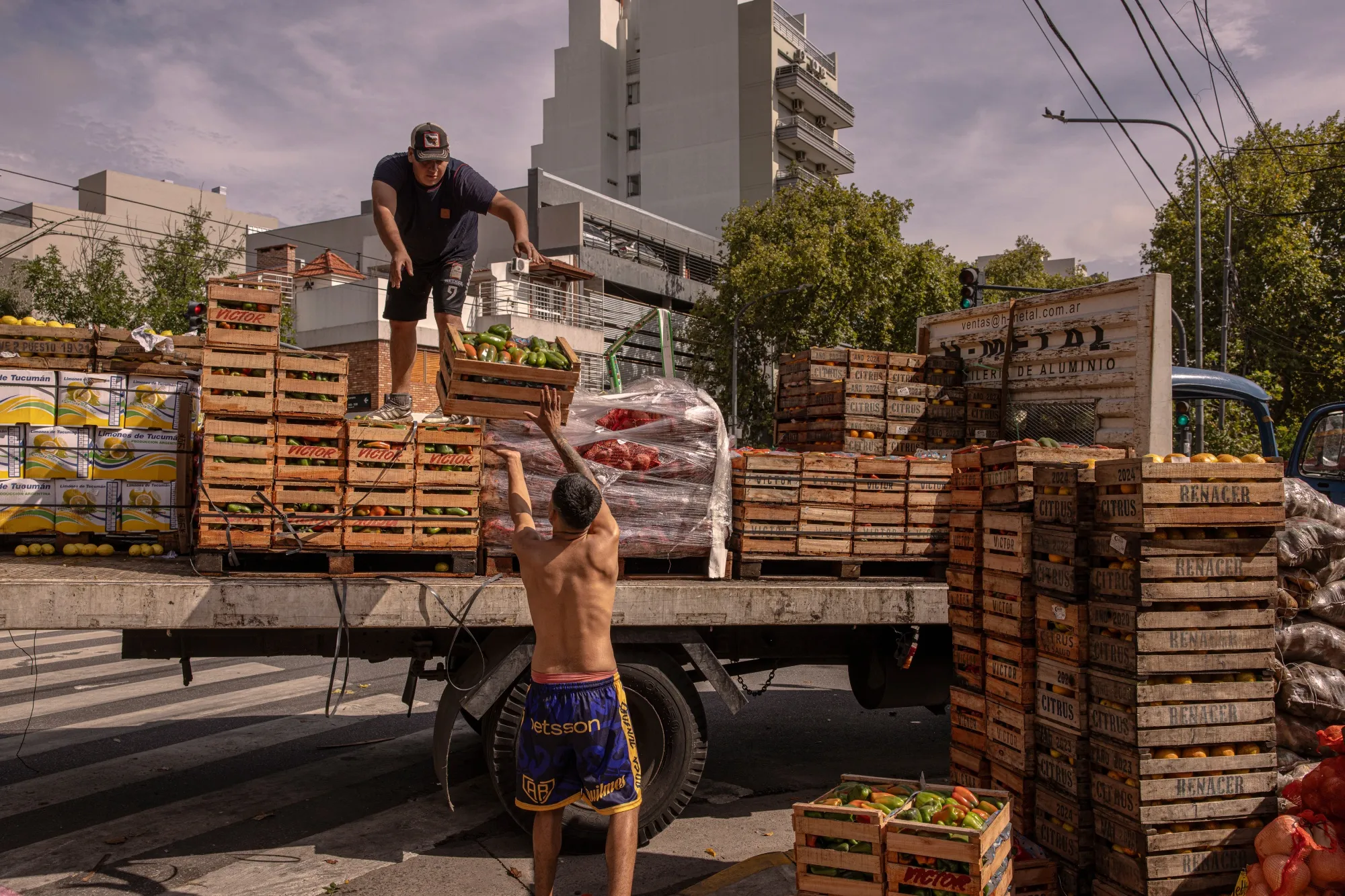
Argentina Kept Unemployment Low by Making the Jobs Worse. (Photo Internet reproduction)
RT
Ask Rio Times
17 years of Latin America reporting, on demand.
Open the full Ask Rio Times →

That is the finding of a working paper published on Wednesday by the Catholic University of Argentina and its social debt observatory. The authors, Ramiro Robles, Alejo Giannecchini and Valentina Ledda, give the phenomenon a name in their own abstract.

They call it labour disintegration without open unemployment. More Argentines are working; fewer of them hold a job worth having.

The paper draws on microdata from the permanent household survey covering urban Argentina. Its window runs from 2010, under Cristina Fernández de Kirchner, through the Macri years and the pandemic to the present.

What the Argentina labor market data actually shows

The most telling number is a pair. Compare the three years to 2013 with the three years to 2025, and watch where an unemployed Argentine ends up.

In the earlier window the two destinations were evenly matched. Just over twenty-four percent moved into informal self-employment, and precisely the same share found formal or public sector wage work.

By the later window the two lines had pulled apart. Informal self-employment took nearly thirty percent while formal work absorbed under twenty, so the informal route is now roughly half as likely again as the formal one.

A third figure completes the picture. The flow running the wrong way, from a registered job into informal self-employment, rose from under five percent to over six.

Inside the micro-informal world the composition shifted too. Los Andes, citing the study, reports that informal workers on nobody’s payroll grew from about twenty-eight percent to nearly thirty-two, while informal wage-earners fell.

That is the shape of what is often called the uberisation of work. Infobae notes that those who lose formal jobs increasingly turn to delivery platforms, a market now showing signs of saturation and falling pay.

Growth without registered jobs

The observatory identifies the mechanism plainly. Argentina’s dynamic sectors are natural resources, finance and business services, and none of them employs many people.

The labour-intensive sectors are the unproductive ones aimed at the domestic market. Growth therefore arrives without the registered employment that used to accompany it.

The report states that economic expansion coexisted with a net destruction of registered jobs. Recovering output, it says, does not by itself restore formal employment.

The report names natural resources, finance and business services as those dynamic sectors, which in practice means Vaca Muerta shale and the lithium salt flats. That is the fault line running under the entire investment case.

The observatory dates the intensification of labour participation to 2017 and notes it landed on a structure with few productive, regulated openings. The rebound after the crises of 2018 to 2020 did not restore job quality evenly.
Why this is not simply a verdict on Milei

The temptation is to read the paper as an indictment of the current government. The dates make that reading difficult.

The deterioration begins in 2010 and runs through Peronist and centre-right administrations alike. The observatory calls it a structural problem of Argentina, worsened by stagnation, weak productivity and regulatory fragmentation.

What the paper does say about the present is narrower and sharper. Over the last two years the market barely moved, but the movement it did make was regressive.

Robles is sceptical that the labour reform changes this. A reform aimed mainly at giving firms more flexibility, he argued, can hardly address the other leg of the problem, which is quality employment.

What the Argentina labor market means for investors

Even inside registered employment the protections have thinned. Collective bargaining coverage among formal workers has fallen, while a registered private worker remains eighteen times likelier to reach the top income bracket than everyone else.

That gap is the whole story compressed into one statistic. Formal work is not merely better; it is a different country.

The observatory frames recent mobility not as advancement but as defensive adjustment by workers with nowhere else to go. It describes the micro-informal sector as a refuge rather than an opportunity.

Robles offered no comfort about the pace of repair. He does not think the employment situation will improve in the short term.

Did unemployment rise in the Argentina labor market?

No, and that is the study’s central point, because the observatory finds a growing labour force was absorbed without pushing up open unemployment as people moved into micro-informal and self-employed work instead. The authors describe this as labour disintegration without open unemployment.

Is this the result of the Milei adjustment?

Only partly, since the study covers 2010 to 2025 and identifies a structural deterioration spanning several governments. It does find that occupational mobility over the last two years turned more regressive, with more transitions from unemployment and from formal work into informal self-employment.

What does the study say about the labour reform?

The researchers are sceptical. They argue that a reform oriented mainly towards greater flexibility for firms cannot by itself generate quality employment, because it leaves the underlying productive obstacles unresolved and discourages collective wage bargaining.

Connected Coverage

Argentina Activates Milei Labor Reform With Big Tax Break for Hiring

Argentina Labor Reform Frozen by Court

Argentina’s Poverty Plunged Under Milei, From 53% to 28%

Frequently Asked Questions

Did unemployment actually go up in Argentina over this period?

No, unemployment stayed low, but that is exactly the problem the study highlights — instead of going jobless, more people ended up in informal, low-quality self-employment. The researchers call this 'labour disintegration without open unemployment.'

How much harder is it to reach a top income bracket if you work informally rather than in a registered private-sector job?

A registered private-sector worker is eighteen times more likely to be in the top income bracket than everyone else, according to the study. The researchers describe formal and informal work as essentially two different worlds in terms of earnings.

Is this deterioration in job quality a recent problem caused by the current government?

No, the study covers 2010 to 2025 and shows the decline running through multiple governments, both Peronist and centre-right. The observatory describes it as a structural problem of Argentina driven by weak productivity, stagnation, and regulatory fragmentation.

Read More from The Rio Times

The Rio Times · Power Map
See who really holds power in Latin America
Click to open the Power Map

Rotate for Best Experience

This report is optimized for landscape viewing. Rotate your phone for the full experience.