Argentina’s Inflation Fell Below 2% in June: What It Means for Expats
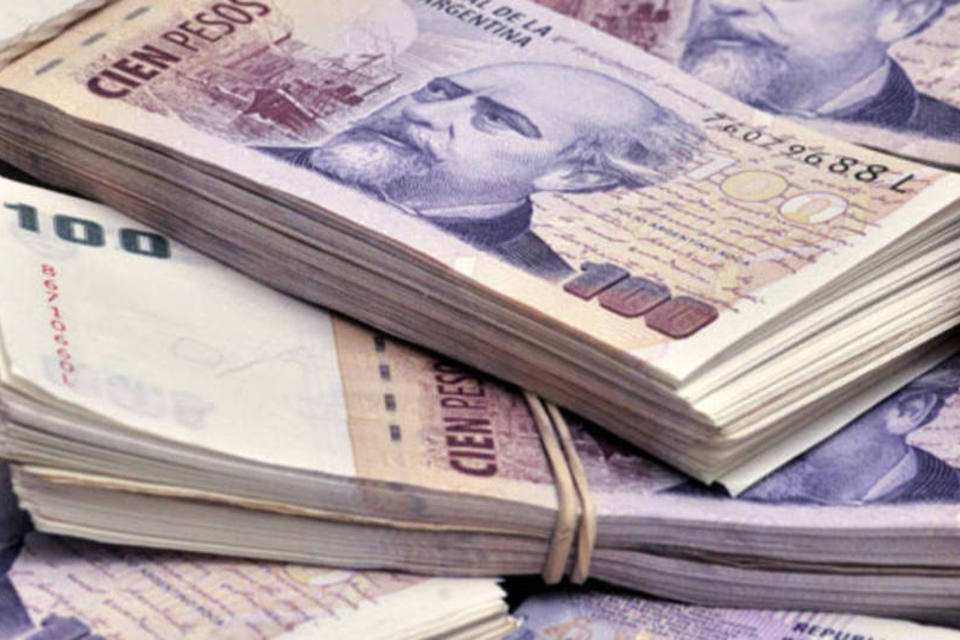
Argentina’s monthly inflation fell to 1.9 percent in June, the first sub-2% reading since August 2025, as the first half of 2026 totalled 16.8 percent and the annual rate hit 33.5 percent.
Argentina’s monthly inflation fell below 2 percent in June for the first time in nearly a year, a marker in the disinflation that followed 2025’s harsh monetary squeeze. For foreigners who earn abroad and spend in pesos, it is welcome news — with one caveat about where the peso goes next.
Key Facts
- The number. June inflation came in at 1.9 percent, the first monthly reading below 2 percent since August 2025.
- The trend. Monthly figures have fallen from 3.4 percent in March to 1.9 percent in June.
- The year so far. The first half of 2026 totals 16.8 percent; the annual rate is 33.5 percent.
- The catch. The central bank’s survey still sees the dollar above 1,600 pesos by year-end.
- For expats. Slower inflation steadies day-to-day costs, but the peso’s path is the offsetting risk.
What the June figure showed
The official statistics agency, INDEC, put June inflation at 1.9 percent, down from 2.1 percent in May. It was the first monthly reading below 2 percent since August 2025.
Core inflation, which strips out volatile and regulated prices, was lower still at 1.6 percent. The government called it the lowest print of the year.
A steady deceleration
The monthly figures have eased through the year, from 3.4 percent in March to 2.6 in April, 2.1 in May and 1.9 in June. The first half of 2026 now totals 16.8 percent.
The annual rate, at 33.5 percent, is far below the triple-digit pace of recent years. The slowdown follows the sharp monetary tightening of 2025.
What it means if you earn abroad
For remote workers and retirees paid in dollars or euros, slower inflation makes budgeting in pesos more predictable. Prices still rise, but the month-to-month jumps are smaller than they were.
Everyday costs such as rent, groceries and eating out remain far cheaper in dollar terms than in most of the region. It is one reason Buenos Aires keeps drawing long-stay foreigners.
The peso is the catch
The offset is the exchange rate. The central bank’s market survey still projects the dollar above 1,600 pesos by the end of 2026, with annual inflation near 30 percent.
A weaker peso erodes the local value of dollar income, though more slowly than high inflation once did. It remains the main risk to the cost-of-living picture, with the parallel “blue” dollar near 1,515.
What to watch next
The July figure, due next month, is the test of whether sub-2 percent holds. Watch the gap between the official and parallel dollar, which signals pressure on the peso.
None of this is financial advice, and the figures move. Anyone planning a move should track the exchange rate alongside the inflation data.
More: Argentina news in English, every day from The Rio Times.
Frequently Asked Questions
What was Argentina’s inflation in June 2026?
Monthly inflation was 1.9 percent, the first reading below 2 percent since August 2025. The annual rate is 33.5 percent.
Is inflation in Argentina slowing?
Yes. Monthly figures have fallen from 3.4 percent in March to 1.9 percent in June, and the first half of the year totals 16.8 percent.
What does it mean for foreigners?
Slower inflation makes budgeting in pesos more predictable for those earning abroad, though the peso’s path remains the main risk.
Will the peso weaken?
The central bank’s market survey projects the dollar above 1,600 pesos by year-end. The parallel “blue” rate sits near 1,515.
Is Buenos Aires still cheap for expats?
In dollar terms it remains among the more affordable major cities in the region, though prices have risen with the currency’s moves.
This article was produced by The Rio Times’ automated newsroom system. How we use AI · Report an error · Editorial responsibility: Matthias Camenzind, Editor-in-Chief
In depth
Expat Guide to Argentina
What The Rio Times publishes for foreigners who live in or move to Argentina.
Start here
- Argentina Security and Crime Explained 2026
- Argentina Money Guide for US Travelers
- Best Places to Live in Argentina for Expats 2026
- How to Open a Bank Account in Argentina as a Foreigner in 2026: Tax ID, Dollars, Apps
City guides
Coming up in Argentina
- Los Pericos Gran Rex Concert Set for 22 October 2026 in Argentina 22 Oct
- Mendoza Things to Do, 9 to 31 October 2026 31 Oct
- Mar del Plata Film Festival 2026: 5 to 15 November 5 Nov
- Primavera Sound Buenos Aires 2026: Gorillaz, The Strokes to Headline 28 Nov
Understand Argentina