Argentina’s Great Food Fair Turns 20 in a Slumping Home Market
Culture
Key Facts
—The dates. Thursday July 9 to Sunday July 12, noon to 8pm, at BA Ferial on the Costanera Norte.
—The price. General entry costs AR$20,000, roughly $13; pensioners pay AR$7,000, about $4.70.
—The scale. Between 400 and 500 exhibitors from 18 provinces; last year drew more than 100,000 visitors.
—The move. This is the twentieth edition since 2005, and the first away from the La Rural showground.
—The business. The 2025 trade rounds produced about 300 meetings and deals worth roughly AR$10bn, near $6.7m.
—The free pass. Under-sixteens enter free with an adult, as do gastronomy and tourism students on Thursday and Friday.
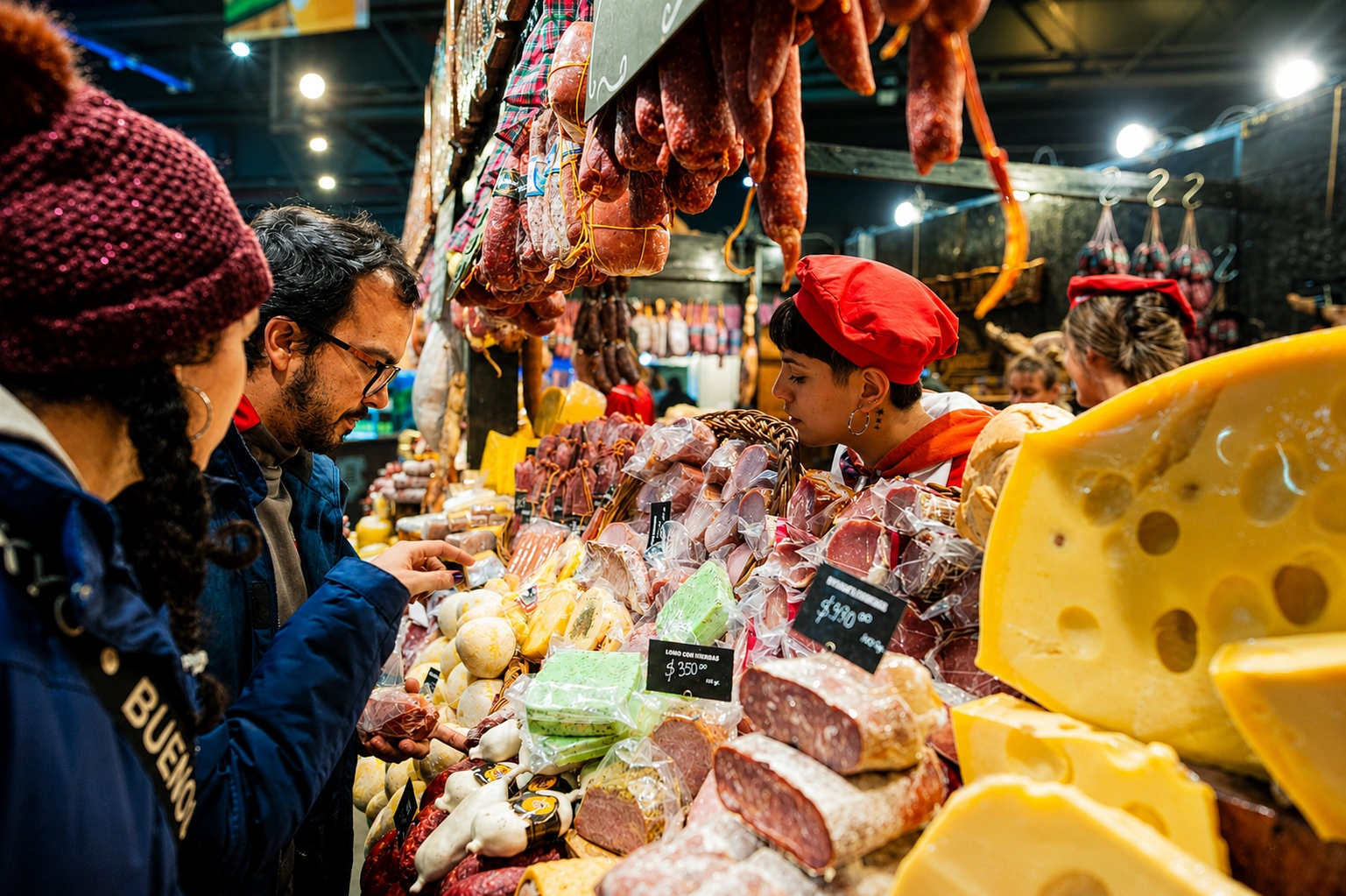
Caminos y Sabores opens on Thursday for its twentieth edition, four days of cheese, wine, alfajores and regional cooking beside the river in Buenos Aires. It arrives at a curious moment, because the small producers filling the hall are trying to sell into a domestic market their own ministers describe as depressed.
The fair calls itself the Great Argentine Market, and the label is close to literal. Organisers put the count somewhere between four and five hundred producers, drawn from eighteen provinces and arranged along themed routes for sweets, drinks, oils, cheeses and crafts.
According to the fair’s own information page, doors open at noon and close at eight, from Thursday through Sunday. General entry is twenty thousand pesos, which at the current rate is around thirteen American dollars.
For a visitor that is cheap. For an Argentine family of four it is a considered purchase, which is precisely the tension running through this year’s event.
Why Caminos y Sabores matters beyond the food
Strip away the tastings and this is a trade fair for the provinces. The business rounds, which pair small producers with supermarket buyers and distributors, are the reason the stalls are worth their rental.
La Nación reports that last year’s rounds generated some three hundred commercial meetings and operations worth more than ten billion pesos. That is close to seven million dollars, spread across hundreds of very small firms.
The provinces treat it accordingly. Misiones is sending its tourism board alongside its producers, hunting contracts with hotel and restaurant chains.
Its industry minister, Federico Fachinello, was blunt about why that matters now. The internal market, he told a provincial broadcaster, is very depressed.
A fair that reads the consumer
The organisers have adjusted to that reality rather than ignoring it. Coverage in iProfesional describes an event pitched at a shopper newly attentive to promotions, discounts and lower prices without losing quality.
Visitors, the same account notes, now come to compare prices as much as to taste. That is a modest sentence with a large implication about Argentine household budgets.
The timing is not accidental either. The fair sits on the long weekend around Independence Day and the start of winter school holidays in several provinces.
That combination is what organisers are counting on to deliver the crowd. More than a hundred thousand people came last year.
Practical notes for a foreign visitor
The venue has changed, and that trips up anyone working from an old guidebook. Caminos y Sabores has left La Rural in Palermo for BA Ferial, the renamed Costa Salguero complex on the northern waterfront.
The address is Avenida Costanera Rafael Obligado 1221. A free shuttle runs from the Banco Nación branch at Plaza Italia, first departure at half past eleven, last return at half past eight.
Several bus lines serve the area, and the new Trambus connects the city to the river. Tickets are sold online through Mundo Ticket and at the gate.
There are meaningful discounts. Pensioners and over sixty-fives pay seven thousand pesos at the box office, children under sixteen enter free with an adult, and students of gastronomy, hotel management and tourism go free on Thursday and Friday.
What to actually do at Caminos y Sabores
The Camino Federal is the shortcut for a newcomer, a route where each province shows what it makes. It is the fastest tour of Argentina available anywhere in the country.
More than fifty chefs take part, among them Germán Martitegui and Felicitas Pizarro, with masterclasses and live demonstrations. The Copa Alfajor Argentino runs for a third year, judging the country’s alfajores by blind tasting.
Go on Thursday or Friday if crowds bother you, since the long weekend will fill the hall. Tickets are sold in advance through Mundo Ticket, and Banco Nación cardholders get fifteen percent off.
And spare a thought for what you are walking through. Every one of those stalls belongs to somebody betting four days of rent on a market that is not currently buying.
When and where is Caminos y Sabores 2026?
The fair runs from Thursday the ninth to Sunday the twelfth of July, from noon to eight in the evening. It takes place at BA Ferial, Avenida Costanera Rafael Obligado 1221, on the northern waterfront of Buenos Aires, having moved this year from the La Rural showground in Palermo.
How much does entry cost?
General admission is twenty thousand Argentine pesos, roughly thirteen American dollars at the current exchange rate. Pensioners and those over sixty-five pay seven thousand pesos at the box office, and children under sixteen enter free when accompanied by an adult.
Is Caminos y Sabores worth visiting for a foreigner?
Yes, particularly for anyone wanting to understand Argentina beyond Buenos Aires. The Camino Federal gathers producers from eighteen provinces in one hall, and over fifty chefs run tastings and masterclasses across the four days.
Connected Coverage
Argentina vs Uruguay for Expats in 2026: Which Is Better?
Frequently Asked Questions
When and where is Caminos y Sabores 2025?
The fair runs Thursday July 9 to Sunday July 12, noon to 8pm, at BA Ferial on Avenida Costanera Rafael Obligado 1221 on Buenos Aires's northern waterfront. This is the first time it has been held there, having moved from the La Rural showground in Palermo.
How much does it cost to get in?
General entry costs 20,000 Argentine pesos, about $13 US. Pensioners pay 7,000 pesos (around $4.70), children under 16 get in free with an adult, and gastronomy and tourism students enter free on Thursday and Friday.
How big is this fair and why does it matter beyond the food?
Between 400 and 500 producers from 18 provinces take part, and last year more than 100,000 people visited. The fair also runs trade rounds where small producers meet supermarket buyers; in 2025 those rounds produced around 300 deals worth roughly 10 billion pesos, close to $6.7 million US.
This article was produced by The Rio Times’ automated newsroom system. How we use AI · Report an error · Editorial responsibility: Matthias Camenzind, Editor-in-Chief
Expat Guide to Argentina
What The Rio Times publishes for foreigners who live in or move to Argentina.
Start here
- Argentina Security and Crime Explained 2026
- Argentina Money Guide for US Travelers
- Best Places to Live in Argentina for Expats 2026
- How to Open a Bank Account in Argentina as a Foreigner in 2026: Tax ID, Dollars, Apps
City guides
Coming up in Argentina
- Los Pericos Gran Rex Concert Set for 22 October 2026 in Argentina 22 Oct
- Mendoza Things to Do, 9 to 31 October 2026 31 Oct
- Mar del Plata Film Festival 2026: 5 to 15 November 5 Nov
- Primavera Sound Buenos Aires 2026: Gorillaz, The Strokes to Headline 28 Nov
Understand Argentina