Brazil · BUSINESS
Key Facts
- —What happened Advent International and Bain Capital are stuck on price in talks to buy Amil, Brazil’s third-largest health insurer by members.
- —The gap Buyers and seller are up to R$2 billion (US$385 million) apart, with Amil valued at about R$17 billion.
- —The catch UnitedHealth, Amil’s former owner, is not involved, and no deal is signed despite finished due diligence.
- —Who is watching Hospitals are postponing rate agreements, and the final price will set a benchmark for Brazil’s health-sector valuations.
- —What comes next Any deal needs approval from regulators ANS and CADE, and proposed rule changes could delay it.
- —The pressure A longer stall weakens the seller’s position, favoring buyers, while partner hospitals wait in suspense.
A stalled sale in health insurance is not a static thing. Every week it runs, somebody else declines to sign a three-year rate schedule.
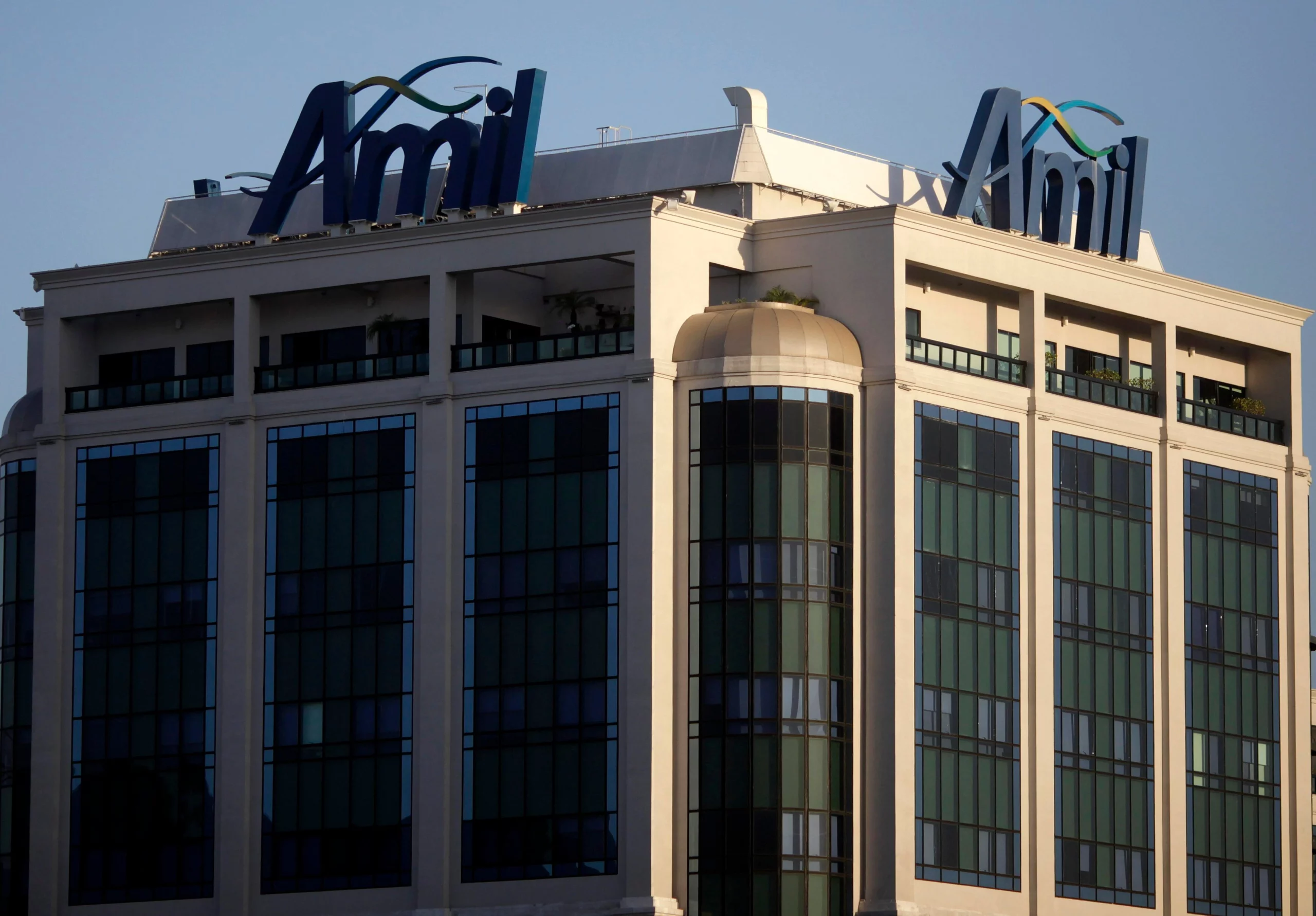
The Amil sale has been in advanced talks for weeks and is stuck on price. Advent International and Bain Capital want Brazil’s third-largest health insurer; the controlling shareholder wants around R$17 billion for it, about US$3.5 billion; and the two sides are roughly R$2 billion apart, about US$385 million. Due diligence is finished. Nothing is signed.
The Amil sale, and who is actually buying
First, a correction worth making because it recurs in coverage: UnitedHealth is not the buyer. The American group owned Amil for years, sold it to José Seripieri Filho in late 2023, and has no part in what is happening now. The buyers are Advent International and Bain Capital.
The structure has moved during the talks. Earlier in the process, Seripieri Filho expected to retain a minority position of up to 15% alongside the incoming owners. The discussion now is about a fuller exit.
The price has moved too, and upwards. The R$10–15 billion range that circulated in June — roughly US$1.9 billion to US$2.9 billion — has been overtaken: reporting this month puts the buyers’ expected proposal at R$14–17 billion, roughly US$2.7–3.3 billion, against a seller holding out near R$17 billion. The gap — up to R$2 billion, about US$385 million — sits at the top of that range.
Neither side is being unreasonable. They are pricing off different comparables in a sector where the listed benchmarks, Rede D’Or and Hapvida, trade a long way apart.
Why the delay is not neutral
A stalled sale in health insurance does damage while it stalls. Reports from the sector this week say partner hospitals have started postponing agreements and holding other dealings in suspense while they wait to see who ends up in control.
That is the real cost of an open-ended process. Hospital networks negotiate rates annually with insurers, and nobody wants to sign a three-year rate schedule with a counterparty whose owner may change next quarter.
It also creates pressure for a resolution on almost any terms, which tends to favour the buyer. The longer this runs, the weaker the seller’s position gets.
There is a second clock. Proposed changes to Brazil’s supplementary health rules are under study, and sector reporting this month suggests they could complicate or delay the transaction. And whatever is agreed still has to clear the ANS and CADE, neither of which has a filing in front of it yet.
Everything else in the sector had a good quarter
XP posted a record adjusted quarterly net profit of about R$1.384 billion, roughly US$266 million. The profit line is the less interesting half — it was up about 5% on a year earlier, and adjusted return on equity actually fell to 22.5% from 24.4%. The number that carries the story is net new money: R$28 billion in the quarter, about US$5.4 billion, against around R$10 billion — some US$1.9 billion — a year ago. For a broker that spent 2025 losing the narrative to the digital banks, clients returning matters more than costs being cut.
C6 Bank lifted first-half profit 20% to R$1.25 billion, about US$240 million. Sicredi, the cooperative system that is largely invisible outside Brazil and enormous inside it, closed 2025 with R$455 billion in assets, about US$87.5 billion, up 14.6% — a figure it published in April rather than this week, but one worth knowing if you bank in the interior.
And Fitch took Cosan off Rating Watch Negative on 20 August. Read that carefully before calling it good news: the agency affirmed the group at ‘BB-’ and ‘A+(bra)’ — the levels it downgraded to in March — and kept a negative outlook, projecting net debt to EBITDA above seven times and thin interest coverage through 2029. Removing the watch means the immediate cliff has gone, not that the debt has.
The common thread is a Selic rate at 14% that is finally coming down, after four consecutive quarter-point cuts. High rates are good for banks and brokers collecting a spread and bad for leveraged industrial groups. Both halves of that are showing up at once.
What it means if you are invested here
Brazilian financial firms are earning well because money is expensive. That is a cyclical position, not a structural one, and four consecutive cuts have already started to change it.
For anyone holding Brazilian health assets, the Amil outcome sets a reference price for the whole sector. A deal at the bottom of the range marks the industry down; a deal near the top marks it up. Hospitals, smaller insurers and the listed operators are all watching the same number.
And for anyone whose employer buys health cover in Brazil — which is most foreign residents on a local contract — a change of ownership at Amil eventually reaches your plan, usually through the network of hospitals it will and will not cover.
The wider point is that Brazilian private health insurance has been consolidating for a decade, and each deal removes an option. Whoever ends up owning Amil will be negotiating rates with the same hospital groups that are already postponing contracts, and those negotiations set what employers pay and what employees can actually use.
Who is buying Amil?
Advent International and Bain Capital are in advanced talks with the controlling shareholder, José Seripieri Filho. UnitedHealth, which owned Amil until late 2023, is not involved.
How much is the Amil sale worth?
Nothing is signed. The seller is asking around R$18 billion, about US$3.5 billion, and buyers are reported at R$14–17 billion, roughly US$2.7–3.3 billion. The gap is about R$2 billion, or US$385 million.
Is Amil Brazil’s largest health insurer?
No. By registered beneficiaries it ranks third, behind Hapvida NotreDame Intermédica and Bradesco Saúde. It is one of the three largest and the most significant asset to come to market in years.
Connected Coverage
Sources: Exame INSIGHT; InvestNews; O Globo; XP Investimentos results release; Sicredi; Fitch Ratings; Agência Nacional de Saúde Suplementar.
Frequently Asked Questions
This article was produced by The Rio Times’ automated newsroom system. How we use AI · Report an error · Editorial responsibility: Matthias Camenzind, Editor-in-Chief