AgroGalaxy’s Debt Repayment Strategy: A Closer Look
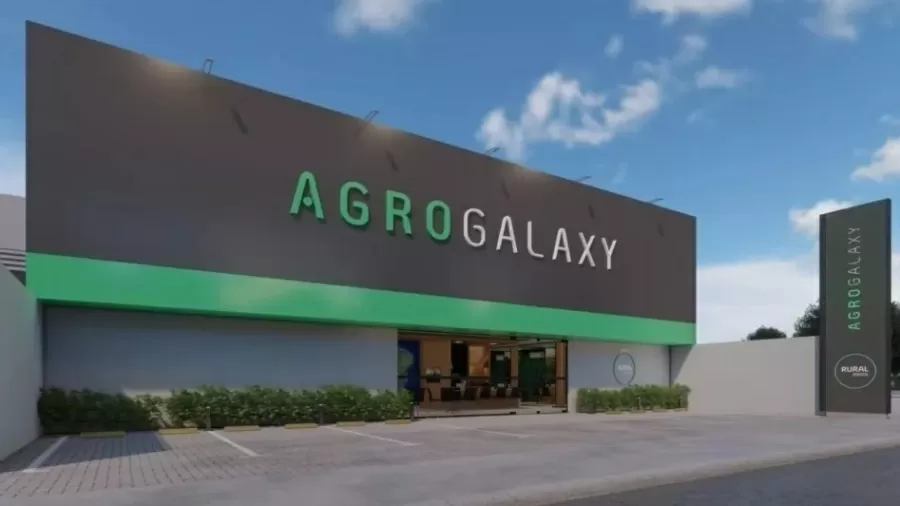
AgroGalaxy, a prominent name in Brazil’s agricultural retail, has submitted its initial payment proposal in its quest for financial recovery.
This move, completed just before the deadline on December 2, 2024, represents a critical chapter in the company’s judicial recovery journey, which began in October.
The company faces the daunting task of repaying over 2,500 creditors with debts totaling more than R$4.1 billion. AgroGalaxy’s proposal introduces a nuanced approach to debt repayment.
It prioritizes certain creditors based on their ongoing business relationships. This strategy aims to preserve partnerships and ensure the company’s operations remain viable during its recovery process.
AgroGalaxy’s plan places former employees at the forefront, committing to full payment of claims up to R$211,800 within a year. Farmers who stored their grains with AgroGalaxy will receive full repayment without any discount, incentivizing continued business through favorable terms.
Suppliers who maintained commercial ties after the recovery filing are offered full repayment over ten years, with a two-year grace period. This approach seeks to keep essential business relationships intact.
AgroGalaxy’s Recovery Plan
Financial creditors face varying repayment terms. Those who continue to support AgroGalaxy will receive full repayment over 11 years, while others may face significant discounts and longer repayment periods.
Despite these efforts, some creditors, like Banco do Brasil, are challenging their inclusion in the recovery process. The bank has already secured a partial victory, allowing it to retain some of AgroGalaxy’s receivables.
This highlights the complexities of the recovery process, where trust and negotiation are as crucial as financial strategies. AgroGalaxy’s management has initiated discussions with creditors to garner support for the plan.
The next phase involves creditors reviewing and voting on the proposal. Approval requires majority support from different creditor classes, underscoring the importance of maintaining open lines of communication and negotiation.
The company has already made significant operational changes, reducing its store count by half and its workforce by 40%. These measures demonstrate a commitment to recovery and a willingness to adapt to new financial realities.
More: Brazil news in English, every day from The Rio Times.
This article was produced by The Rio Times’ automated newsroom system. How we use AI · Report an error
LatAm Markets: Live Signals → — real-time movers, turnover leaders and FX across Latin America.
Read More from The Rio Times