Nigeria’s AG Mortgage Bank Lifts Assets 48% as Profit More Than Doubles
Nigeria · BANKING
Key Facts
- —Nigeria Africa’s most populous country has a thin mortgage market, and much of its home lending runs through small specialist lenders known as primary mortgage banks.
- —The lender AG Mortgage Bank Plc is one of them. In June it raised N3.97 billion (about US$3.0 million) in commercial paper at yields of 22.5 percent to 24 percent, a measure of how costly funding is.
- —What happened At its annual general meeting on September 25, 2026, the bank reported that total assets rose 48 percent in 2025 to N33.04 billion (about US$24.9 million), and profit after tax jumped 130 percent to N1.06 billion (about US$0.8 million).
- —The lending Loans and advances grew 44 percent to N22.71 billion (about US$17.1 million), far faster than customer deposits, which rose 14 percent to N9.48 billion (about US$7.1 million).
- —Why it matters to you The gap was bridged partly by a N7.83 billion (about US$5.9 million) facility from MREIF, the federal government’s mortgage refinancing fund, a sign that state money is now doing much of the work in Nigerian home lending.
- —Still open Whether the bank can keep growing its loan book without its funding costs or bad loans rising, and how much of its 2026 growth will again depend on government refinancing.
Nigeria’s AG Mortgage Bank grew its assets by nearly half in 2025 and more than doubled its profit, but the numbers show the lender is leaning on government refinancing money rather than its own depositors to fund new home loans.
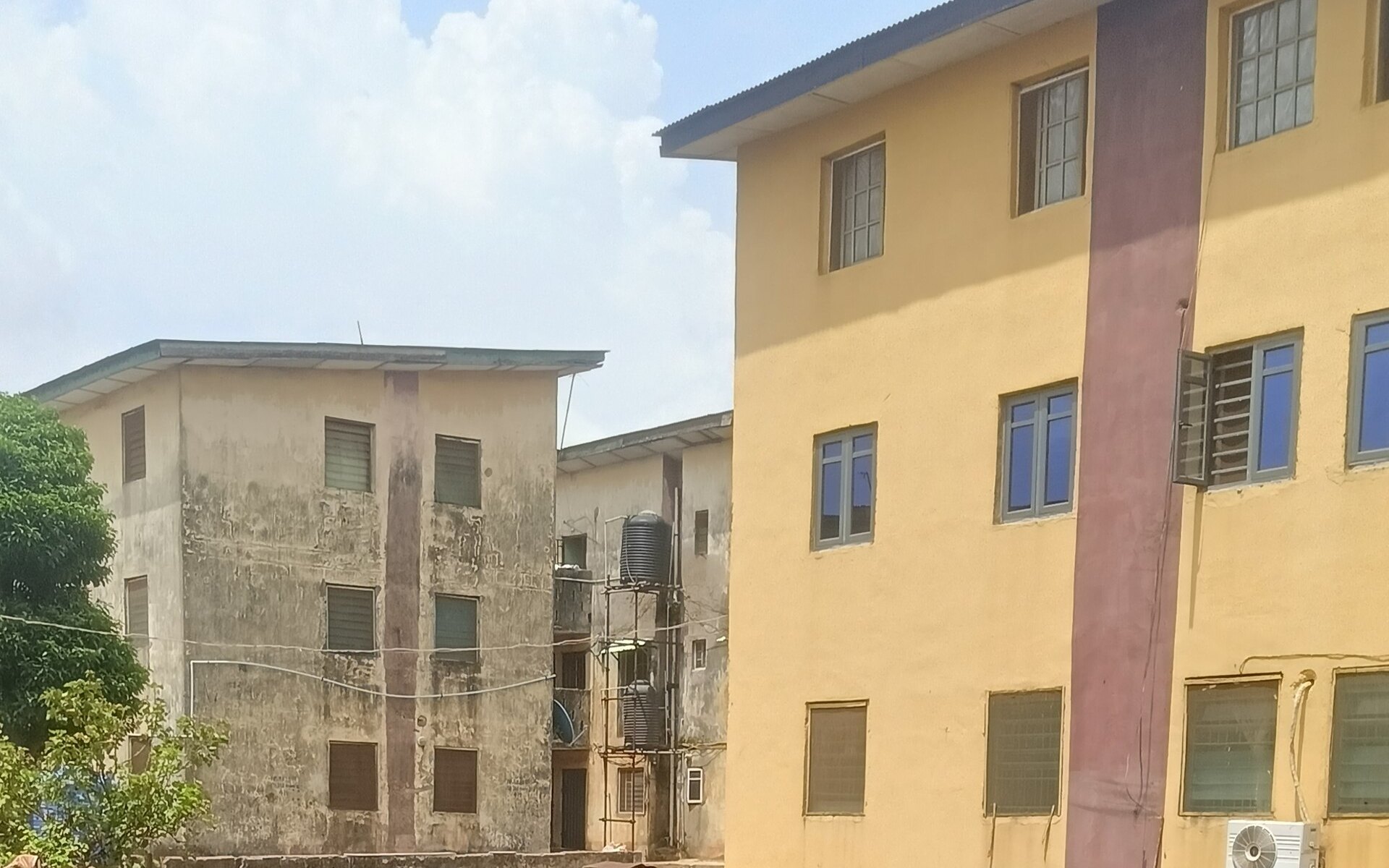
AG Mortgage Bank assets grew 48 percent to N33.04 billion (about US$24.9 million) in 2025, up from N22.37 billion (about US$16.9 million) in 2024. The Nigerian primary mortgage bank presented its results for the year to December 2025 to shareholders at its annual general meeting, held virtually on September 25, 2026. Dollar conversions in this article use the closing rate of Friday, September 25, 2026, of about N1,327 per US dollar.
What the AG Mortgage Bank assets numbers show
The balance-sheet expansion was driven by lending. Loans and advances rose 44 percent to N22.71 billion (about US$17.1 million), from N15.82 billion (about US$11.9 million) a year earlier.
Earnings grew even faster than the balance sheet. Gross earnings rose 42 percent to N4.93 billion (about US$3.7 million), profit before tax climbed 89 percent to N1.38 billion (about US$1.0 million), and profit after tax rose 130 percent to N1.06 billion (about US$0.8 million) from N458.7 million (about US$346,000).
Shareholders’ funds increased 17 percent to N7.16 billion (about US$5.4 million). Total liabilities grew much faster, up 59 percent to N25.88 billion (about US$19.5 million), so the expansion was financed mostly with borrowed money rather than new capital.
Where the money came from
Customer deposits grew only 14 percent to N9.48 billion (about US$7.1 million), well behind the loan book. The bank named its other sources: a N7.83 billion (about US$5.9 million) facility under MREIF, and continued access to Federal Mortgage Bank of Nigeria funding for National Housing Fund loans.
MREIF is a real estate investment fund set up by the Ministry of Finance Incorporated (MOFI), the federal government’s investment arm. It channels money through approved lenders so that homebuyers can borrow at 9.75 percent a year for up to 20 years, far below market rates. AG Mortgage Bank has described itself as the first primary mortgage institution accredited under the scheme and the first to receive a disbursement.
Market funding is far more expensive. The bank’s N3.97 billion (about US$3.0 million) commercial paper issue in June was priced at implied yields of 22.5 percent to 24 percent, and was fully subscribed, BusinessDay reported.
What management says
Chairman Abel Amadi said the results came despite “persistent inflation, elevated interest rates and exchange-rate volatility.” He added that “the quality and sustainability of the Bank’s growth are as important as the growth itself.”
Managing Director Ngozi Anyogu called the loan-book growth “particularly important,” saying it showed the bank’s widening capacity to put funding into mortgages. The bank ties its strategy to a plan it calls Project Momentum 2030.
Why a small mortgage bank matters in Nigeria
Nigeria has a large housing shortage and very little long-term home lending. Most households cannot get a conventional 20-year loan, because banks fund themselves short term and interest rates are high.
That is why government schemes such as MREIF and the National Housing Fund matter so much. They supply the long-dated, cheaper money that small lenders cannot raise from depositors, and lenders such as AG Mortgage Bank pass it on to homebuyers.
AG Mortgage Bank is small: its total assets of about US$24.9 million are a fraction of a single large Nigerian commercial bank. Its results are a useful read on whether state-backed housing finance is actually reaching borrowers.
Who gains and who carries the risk
Shareholders gain from a profit that more than doubled and a larger capital base. Homebuyers gain if concessional funding keeps flowing through lenders like this one.
The risk sits in the funding mix. With liabilities growing more than three times as fast as equity, the bank depends on continued access to government refinancing and on investors rolling over its commercial paper.
For readers following frontier markets, the pattern is familiar from other emerging economies: mortgage growth arrives when the state supplies cheap long-term money, and slows when it does not. Nigeria has also courted overseas buyers, with a diaspora mortgage programme launched in London in August.
What to watch next
The first test is whether deposit growth picks up, which would reduce the bank’s reliance on MREIF and expensive commercial paper. The second is loan quality, as borrowers carry high rates and inflation.
Any change to MREIF’s size, pricing or accreditation rules would feed directly into lenders such as AG Mortgage Bank. So would decisions by the Central Bank of Nigeria on capital and liquidity rules for primary mortgage banks.
Frequently Asked Questions
How much did AG Mortgage Bank assets grow in 2025?
AG Mortgage Bank Plc grew total assets by 48 percent to N33.04 billion (about US$24.9 million) in 2025, up from N22.37 billion (about US$16.9 million) in 2024.
How profitable was AG Mortgage Bank in 2025?
Profit after tax rose 130 percent to N1.06 billion (about US$0.8 million), profit before tax rose 89 percent to N1.38 billion (about US$1.0 million), and gross earnings rose 42 percent to N4.93 billion (about US$3.7 million).
How did AG Mortgage Bank fund its loan growth?
Loans grew 44 percent while deposits grew 14 percent. The bank cited a N7.83 billion (about US$5.9 million) facility under the federal MREIF housing fund, National Housing Fund money from the Federal Mortgage Bank of Nigeria, and a N3.97 billion (about US$3.0 million) commercial paper issue.
Sources
- BusinessDay: AG Mortgage Bank 2025 results
- The Sun: AG Mortgage Bank rides 42% earnings growth
- BusinessDay: AG Mortgage Bank commercial paper issue
- MREIF FAQ (fund manager)
This article was produced by The Rio Times’ automated newsroom system. How we use AI · Report an error
LatAm Markets: Live Signals → — real-time movers, turnover leaders and FX across Latin America.
Read More from The Rio Times