Colombia Turns to Imported LNG as El Nino Dries Up Hydropower
Colombia · Energy
Key Facts
- Two terminals Calamari LNG and SPEC LNG are two companies in one chain at Cartagena. Calamari LNG buys and brings in the cargoes; SPEC LNG runs the regasification terminal that turns them back into gas. They work together to bring gas into the national pipeline system.
- Almost a third LNG brought in through Calamari LNG in 2026 represents about 30% of national gas supply, according to Caracol Radio on 13 August 2026.
- At the peak Julio Turizzo, general manager of SPEC LNG, said the terminal has served close to 40% of national gas demand at its peak. It has also backed about 60% of gas-fired power generation.
- Imported Share Naturgas, Colombia’s gas association, says 30% of all gas consumed in the country is now imported.
- Expansion Coming An approved expansion of SPEC LNG will add 58 million cubic feet per day starting in early October. The terminal currently receives 344.6 GBTUD, or 86% of its 400 GBTUD capacity for thermal generation.
- 200th Cargo The two terminals received their 200th LNG shipment from Trinidad and Tobago in August 2026, totaling 12.8 million cubic meters.
Two Caribbean terminals now feed nearly a third of Colombia’s gas, and the country is bracing for more as El Nino strains power supplies.
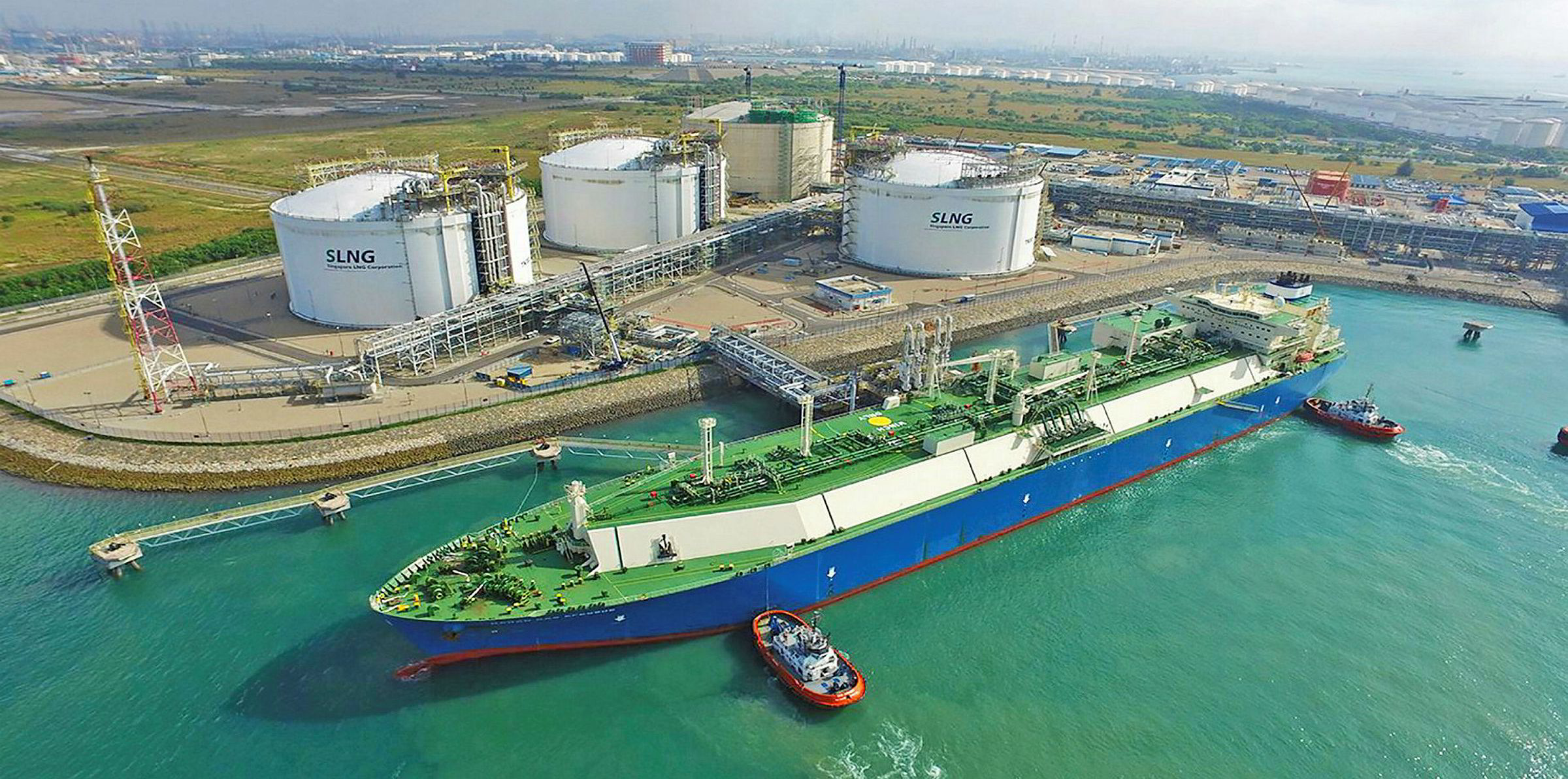
Colombia is leaning hard on imported liquefied natural gas, or LNG, to keep the lights on during a dry El Nino year. Two terminals on the Caribbean coast now supply a large share of the country’s gas, and the pressure on power prices is building. With reservoirs low and domestic fields unable to keep pace, the country has turned to international markets—and the numbers show just how deep that dependence has become.
Why Colombia needs imported gas now
Colombia depends on hydropower for most of its electricity. El Nino brings dry weather that shrinks reservoir levels, forcing the country to burn more gas in thermal plants.
Domestic gas fields are not producing enough to cover the extra demand, so Colombia is turning to LNG imported from abroad. Most of those shipments come from Trinidad and Tobago, a reliable supplier that has been sending cargoes for years.
The shift matters for anyone living in Colombia. When gas is scarce and imports rise, the cost of generating power goes up, and those costs show up on household electricity bills.
The government has not announced specific bill increases, but the direction is clear: tariffs face upward pressure during El Nino months.
For investors, the trend is just as important. Colombia’s energy security now depends on international gas markets, which brings new risks—including exposure to global LNG prices, shipping costs, and supply disruptions far beyond the country’s borders.
Calamari LNG: a key import platform
Calamari LNG is a floating import platform that has been active since at least 2024. It receives LNG shipments, regasifies the fuel, and injects it into Colombia’s national pipeline system, or SNT.
According to Caracol Radio on 13 August 2026, Calamari LNG’s imports this year represent about 30% of national gas supply. That report came as the terminal received the 200th LNG cargo from Trinidad and Tobago, part of a combined milestone with SPEC LNG.
The exact ownership of Calamari LNG is not established in available documents. Reports mention Promigas as an industry actor, but there is no confirmed detail on whether it owns, operates, or merely holds a stake in the platform.
So do not assume Promigas is the owner.
What is clear is that Calamari LNG is a separate facility from SPEC LNG. They are complementary pieces of Colombia’s gas import system, not the same terminal.
One academic study of generator TEBSA, for example, lists both as distinct access points for fuel.
SPEC LNG: the Cartagena regasification terminal
SPEC LNG operates the regasification terminal in Cartagena, the country’s main hub for imported gas. Its environmental license was recently expanded by ANLA, Colombia’s environmental licensing agency, through Resolution 002149 of 11 August 2026.
Julio Turizzo, general manager of SPEC LNG, said the terminal has supported about 60% of gas-fired power generation. At its peak, it has covered up to 24% of electricity generation and served close to 40% of national gas demand—numbers he gave to Caracol Radio on 13 August 2026.
The expansion approved by ANLA allows SPEC LNG to add 58 million cubic feet per day starting in early October. That extra capacity is meant to ease supply shortages and meet higher demand linked to El Nino.
The terminal is already running near its limits. It is currently receiving 344.6 GBTUD for thermal generation, which is 86% of the 400 GBTUD available for that segment.
The expansion will add roughly 58 million cubic feet per day to that capacity.
How much gas is Colombia importing
Different sources give slightly different numbers for Colombia’s import dependence. Caracol Radio says Calamari LNG alone represents about 30% of national gas supply in 2026.
Naturgas, the gas association, says 30% of all gas Colombia consumes is imported. That figure includes both Calamari LNG and SPEC LNG volumes.
The exact number varies, but the direction is consistent: Colombia relies on imports for roughly a third of its gas, and that share could climb as El Nino tightens the market.
Why this matters for Latin America
For readers in Latin America, Colombia’s situation is a warning sign. As climate patterns shift, other countries in the region that depend on hydropower—like Brazil, Peru, and Ecuador—could find themselves in a similar bind.
For investors, the expansion of SPEC LNG shows that Colombia plans to lean on imports for years to come. That creates opportunities in gas infrastructure, but it also raises the stakes for regional energy cooperation.
If El Nino worsens, Colombia may need even more imports. The country is already counting on the Caribbean terminals to bridge the gap, and every added cargo brings both relief and higher costs.
Frequently Asked Questions
What is the difference between Calamari LNG and SPEC LNG?
They are two separate import facilities. Calamari LNG is a floating import platform active since 2024. SPEC LNG is the regasification terminal in Cartagena, with a recently expanded environmental license.
Why is Colombia importing more gas this year?
El Nino has reduced rainfall and hydropower output. Thermal plants need more gas to generate electricity, but domestic gas fields cannot meet the extra demand.
Will this affect my electricity bill?
It likely will. Imported gas costs more than domestic gas, and those higher generation costs are typically passed on to consumers. The government has not announced specific bill changes.
Connected Coverage
Ecopetrol Moves to Keep Colombia’s Lights On as El Niño Squeezes the Grid
Colombia Risks a Gas Squeeze Just as a Dry El Niño Looms
Colombia’s New Pacific Gas Terminal Races an El Niño Drought
Sources: caracol.com.co; riotimesonline.com; forbes.co; naturgas.com.co; valoraanalitik.com
This article was produced by The Rio Times’ automated newsroom system. How we use AI · Report an error
Read More from The Rio Times