Colombia Draft Decree Proposes to End Israel Coal Export Ban
Colombia · Trade
Key Facts
- —What happened Colombia drafted a decree to lift the coal export ban to Israel, but no final decision yet (act).
- —How big a jump Exports were about 4.17 million tonnes in 2023, nearly half of Israel’s coal imports.
- —The real story The draft decree fits De la Espriella’s shift, restoring ties with Israel and recognizing Golan sovereignty.
- —The catch The decree is a draft, open for comment until 15 August 2026, unsign and unpublished in Colombia’s gazette.
- —Who it touches Colombian coal miners, exporters, logistics and port firms could regain a major market, affecting global prices and trade routes.
- —What comes next The comment period ends 15 August 2026, but the final decree’s number and date aren’t public yet.
Colombia has published a draft decree that would lift the ban on thermal coal exports to Israel, but nothing is final yet.
Colombia’s trade ministry has published a draft decree to end the ban on thermal coal exports to Israel. The proposal is open for public comment until 15 August 2026, but no final decree has been signed or published in the Diario Oficial, Colombia’s official gazette.
What the draft decree would do
The draft decree from MinCIT would repeal two earlier decrees that banned thermal coal exports to Israel. It would restore the general export regime for coal classified under tariff heading 2701.12.00.10, removing the country-specific prohibition.
This means Colombian coal exporters could sell to Israel again without special permission.
The draft was published in an extraordinary bulletin of the Commercial Policy and Defense Unit on 11 August 2026. The comment period runs from 11 to 15 August 2026.
After that, the government could issue a final decree, but no such document has been confirmed yet.
If approved, the decree would take effect upon publication in the Diario Oficial, citing an exception for measures favorable to citizens under Law 1609 of 2013. However, the final decree’s number and date are not yet public.
This is a proposed change, not a done deal.
The original ban and its tightening
The ban started with Decreto 1047 of 14 August 2024 under Gustavo Petro, who was president at the time. It prohibited thermal coal exports to Israel but allowed exceptions for shipments already authorized, supplier certificates, and perfected legal transactions.
A mechanism existed to accredit consolidated legal situations.
What the coal trade to Israel looks like
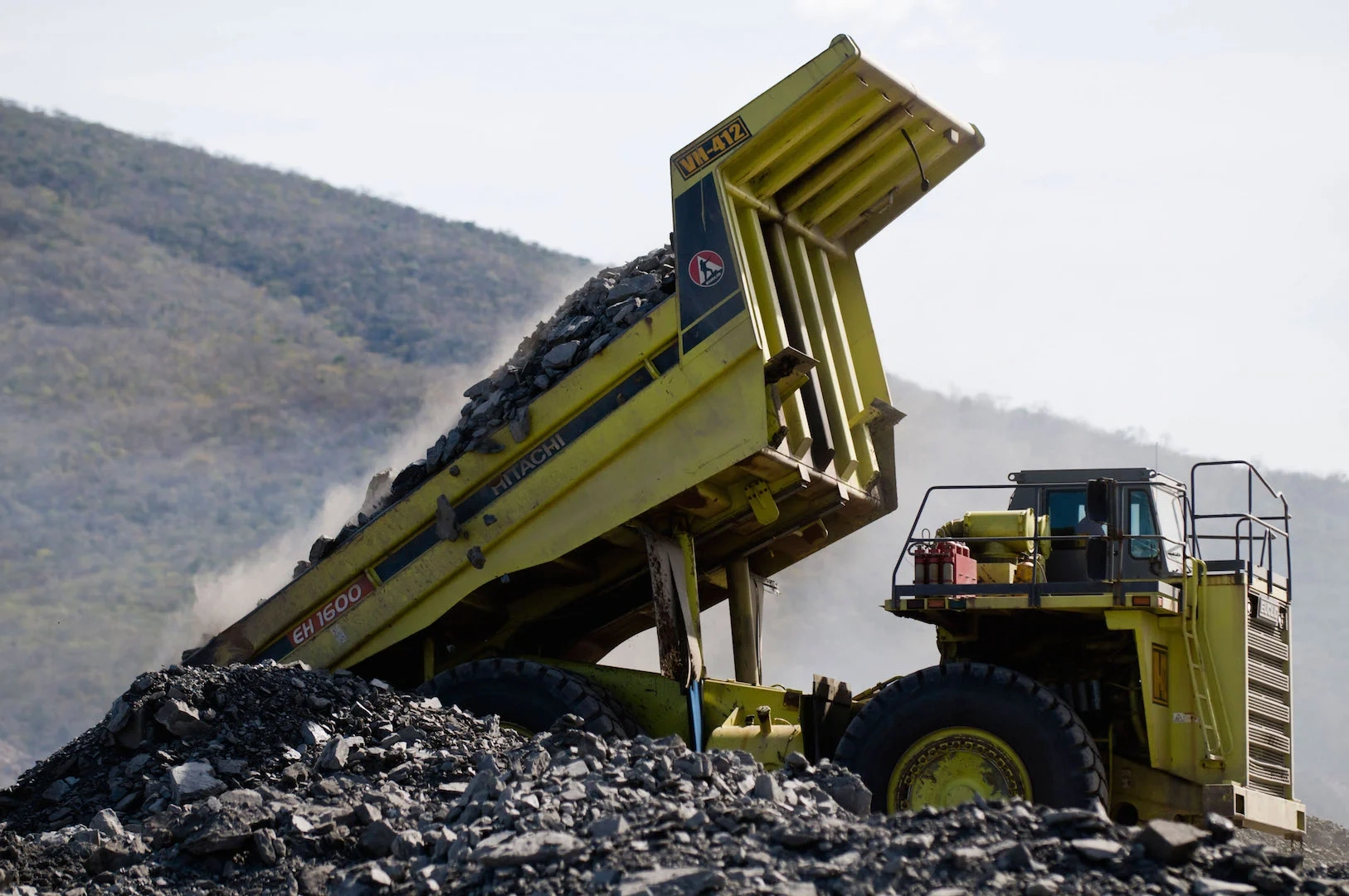
Exact official figures for coal exports to Israel are not available in public sources. A regional analysis estimated Colombia exported about 4.17 million tonnes of thermal coal to Israel in 2023, covering roughly half or more of Israel’s coal import needs.
This is a journalistic estimate, not a certified official figure.
A Colombian economic outlet reported that DANE showed exports to Israel of US$31.3 million FOB as of May 2026, but this covers all goods, not just coal. It is unclear if this includes residual exports allowed under the previous exceptions.
No official series by tariff subheading and destination Israel is public.
Why this matters for Latin America
If you live or invest in Latin America, this draft decree is a sign of how foreign policy shifts can ripple through trade. Colombia is one of the region’s top coal exporters, and its ability to sell to Israel affects global coal prices and shipping routes.
A restored export market could mean more revenue for Colombian miners and their suppliers, from ports to logistics firms.
If the final decree is issued, it could boost Colombia’s trade balance, which matters for the peso and for regional supply chains.
The flip side is the political risk: the change is still a draft, and the comment period could attract opposition. Other Latin American countries with strong coal sectors, like Peru or Brazil, are watching to see if Colombia’s shift shows a broader realignment.
For now, the move is only a proposal, so treat it as a possibility, not a certainty.
Industry reactions and what happens next
He also said production could increase to meet international demand.
No official statement from Glencore or Cerrejon specifically about this draft decree has been found. These companies are major coal exporters, but their reactions are not documented.
The draft is still in comment phase; the final decree must be verified in the Diario Oficial.
The larger context is a foreign policy shift. President De la Espriella has restored full diplomatic ties with Israel and recognized Israeli sovereignty over the Golan Heights.
The draft decree fits this new direction, which also includes closer security and trade cooperation, and discussions about moving Colombia’s embassy to Jerusalem.
What is still unknown
The exact number and date of the final decree are not public. The draft decree’s text is available for comment, but the official issued document has not been confirmed in the Diario Oficial or on MinCIT’s website.
The signatories of the final decree are also unconfirmed. Institutional practice suggests it would be signed by the president and the trade minister, but this is an inference, not a documented fact.
Anyone needing precise data must consult DANE, DIAN, or the central bank’s databases directly.
More: Colombia news in English, every day from The Rio Times.
Frequently Asked Questions
Has Colombia already lifted the coal export ban to Israel?
No. The trade ministry has only published a draft decree for public comment. The comment period runs from 11 to 15 August 2026, and no final decree has been confirmed in the Diario Oficial.
What would the draft decree change?
It would repeal Decreto 1047 of 2024 and Decreto 0949 of 2025, restoring the general export regime for thermal coal under tariff heading 2701.12.00.10 with no country restrictions. That would end the ban on sales to Israel.
Why is the government considering this change?
President Abelardo De la Espriella has shifted foreign policy, restoring diplomatic ties with Israel and recognizing Israeli sovereignty over the Golan Heights. The draft decree is part of this new direction, favoring security and trade cooperation with Israel.
Connected Coverage
A New Owner Is Quietly Buying Up Colombia’s Coal Export Chain
Israel Loses Top Coal Supplier as Colombia Imposes Total Export Ban Over Gaza
Colombia Cuts Off Coal Exports to Israel, Disrupting Key Energy Supply
Sources: infobae.com; valoraanalitik.com; eltiempo.com; msn.com; araujoibarra.com
This article was produced by The Rio Times’ automated newsroom system. How we use AI · Report an error · Editorial responsibility: Matthias Camenzind, Editor-in-Chief