Colombia’s New Pacific Gas Terminal Races an El Niño Drought
Energy
Key Facts
A new gateway for imported gas is taking shape on Colombia’s Pacific coast, and it is racing to open before a drought tests the country’s power supply.
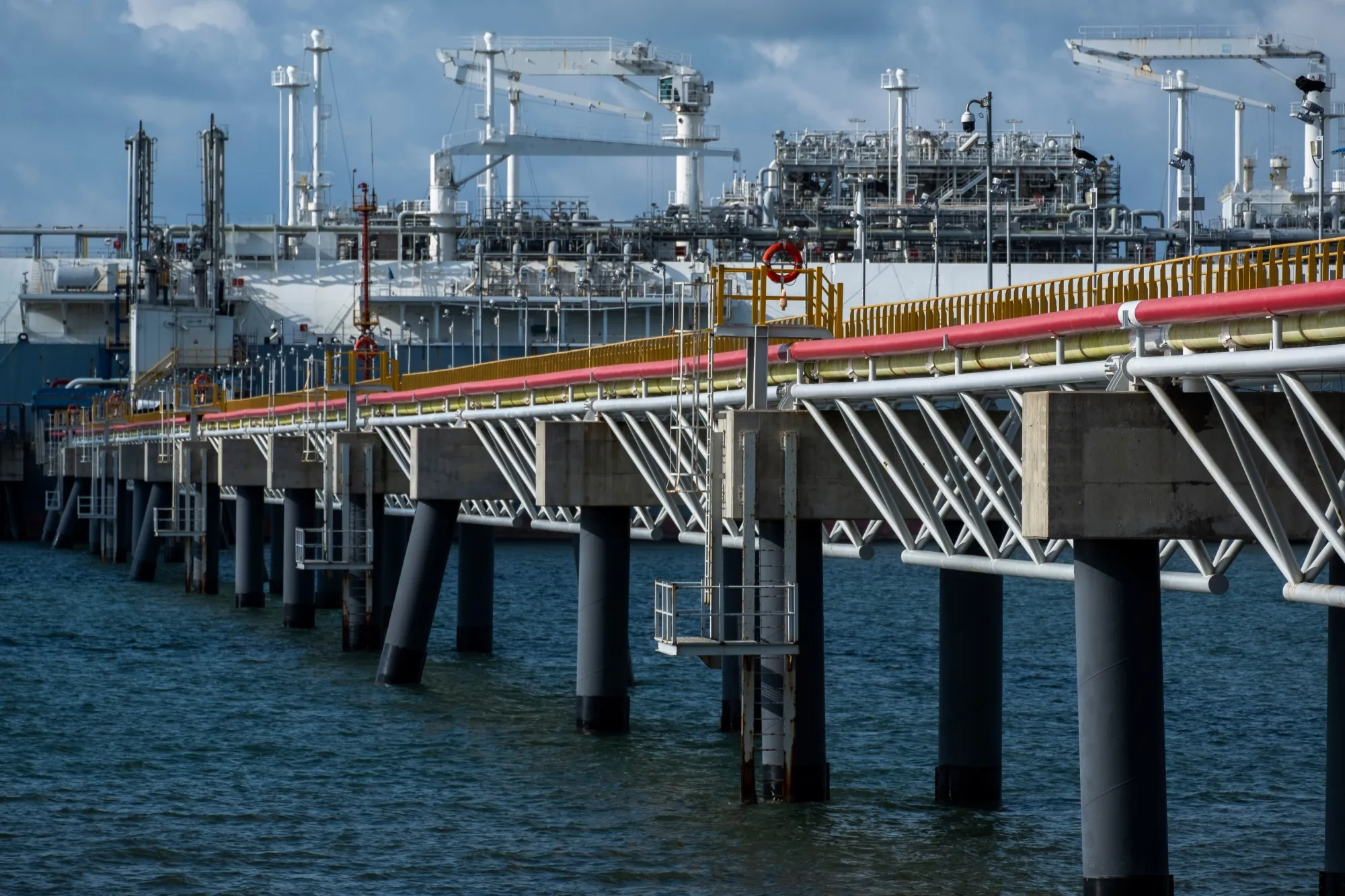
Colombia is building its first gas-import terminal on the Pacific side of the country, and the project just cleared a visible milestone. Heavy equipment has begun arriving at the port of Buenaventura, where the imported fuel will land before being piped inland.
The Regasificadora del Pacífico, as the project is known, is on track to start operating on November 1. From that date it will feed sixty million cubic feet of imported gas a day to Ecopetrol, the state-controlled oil company, with a further twenty million reserved for a local distributor from December.
For a foreign reader, the basics matter. The terminal takes in liquefied natural gas by sea at Buenaventura, then trucks it inland to a plant at Buga, where it is turned back into gas and pumped into the national pipeline network serving the country’s industrial southwest.
A floating storage vessel anchored at Buenaventura will receive and hold the imported cargoes before they move inland. The Buga plant is reported to be about eighty percent built, with the final pieces of equipment arriving from abroad to finish the works.
Why Colombia is importing more gas
The need is pressing. Colombia’s traditional gas fields are old and declining, and imports have leapt from under three percent of supply a couple of years ago to more than a fifth today, according to figures cited in earlier Rio Times reporting on the country’s reserves.
The project’s chief, Óscar Isaza, has been blunt about what that means. He argues the era of cheap home-produced gas is over, and that the country must prepare to rely more heavily on imported, regasified fuel as its wells run dry.
Until now, Colombia leaned on a single import terminal at Cartagena on the Caribbean coast. The new Pacific gateway adds a second route and is expected to cover roughly a tenth of the country’s structural gas shortfall once it is running.
What the Pacific terminal means for the drought
The timing is deliberate. A returning El Niño weather pattern threatens to dry out the reservoirs behind Colombia’s hydroelectric dams, which supply most of its electricity, forcing the grid to lean on gas-fired plants exactly when supply is tightest.
To brace for that, the operator says it is negotiating to supply up to one hundred and thirty million cubic feet of backup gas a day to three thermal power stations between November and March. Those deals are not yet signed, but they would roughly triple the terminal’s role in a crisis.
For investors, the wider point is cost. Imported gas is dearer than the domestic fuel it replaces, so a heavier reliance on it tends to push up power tariffs and inflation, complicating the central bank’s task and adding to the strain on a country already wrestling with a wide budget gap.
None of this amounts to a cure, since the terminal is only one of several import and offshore projects Colombia is rushing to advance, most of which arrive too slowly to transform the supply picture before the worst of the dry season.
For now, the Pacific gateway buys the country a measure of breathing room as it waits for larger fixes to mature.
More: Colombia news in English, every day from The Rio Times.
Frequently Asked Questions
When does Colombia’s Pacific gas terminal open?
The Regasificadora del Pacífico is on track to begin commercial operations on November 1, 2026. From that date it will inject sixty million cubic feet of imported gas a day for Ecopetrol, with a further twenty million reserved for a local distributor starting in December.
Why does Colombia need to import gas?
Colombia’s mature gas fields are in decline while demand holds firm, leaving a growing structural shortfall. Imported gas has risen from under three percent of supply a couple of years ago to more than a fifth today, and a new terminal helps diversify how that fuel reaches the country.
Will the terminal lower gas bills?
Not directly, because imported gas is generally more expensive than domestic supply. The terminal’s main value is security, adding a second import route and backup fuel for power plants during drought, which helps avoid shortages even if it does not cut prices.
Connected Coverage
› Colombia’s Gas Is Running Out Just as a Drought Threatens Its Power
› Colombia Gas Production Falls to Record Low, Venezuela Fix Nearest
This article was produced by The Rio Times’ automated newsroom system. How we use AI · Report an error · Editorial responsibility: Matthias Camenzind, Editor-in-Chief