$1.4B Pension Fraud: Lula’s Approval Hits Record Low Before 2026 Vote
President Luiz Inácio Lula da Silva’s disapproval rating rose to 57% in June 2025, the highest since his third term began, according to a Genial/Quaest poll of 2,004 Brazilians.
Approval fell to 40%, with 43% rating his government “poor” amid a $1.4 billion pension fraud scandal at Brazil’s National Social Security Institute (INSS).
The crisis erased gains from improving economic sentiment, as 48% still say the economy worsened year-over-year—down from 56% in March.
Fraudulent pension deductions impacted 6 million retirees, with unauthorized fees siphoned through fake unions since 2019.
Despite Lula’s claims the scheme began under predecessor Jair Bolsonaro, 31% blame his administration—four times Bolsonaro’s 8% blame share.
Lower-income voters, once Lula’s base, now split evenly: 50% approve vs. 49% disapprove, a 19-point swing since July 2024.
Economic perceptions showed modest improvement: 79% reported higher food costs (down 9 points), 54% noted pricier fuel (down 16 points), and 30% expect economic decline (down 4 points).
Yet 82% learned of the INSS scandal versus 39% aware of recent tax reforms, underscoring its dominance in public discourse.
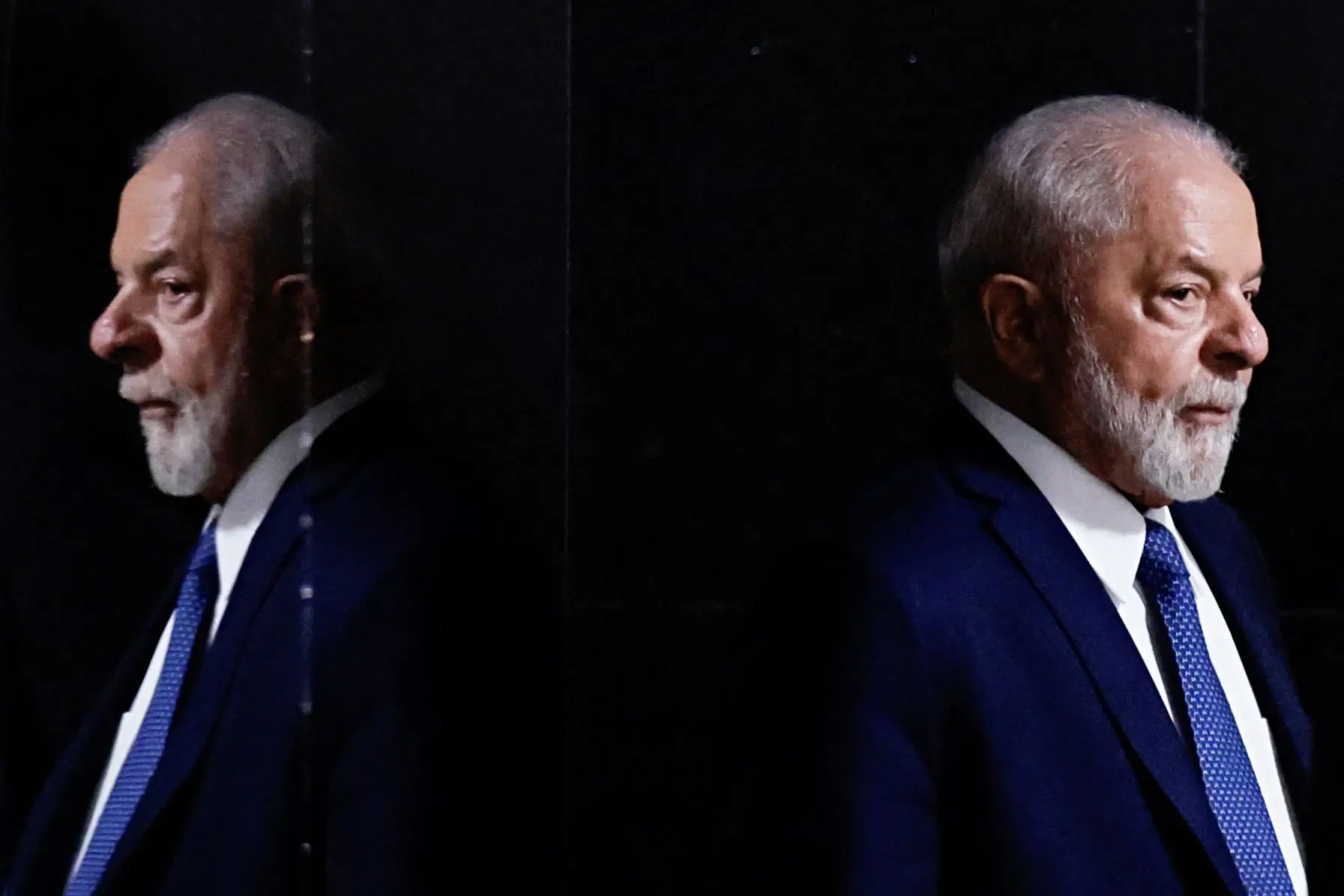
$1.4B Pension Fraud: Lula’s Approval Hits Record Low Before 2026 Vote
The scandal triggered resignations, including Social Security Minister Carlos Lupi, and a 700-agent federal probe seizing $177 million in assets.
Political fallout deepened as Lula’s coalition lost a key partner, weakening legislative support.
Opposition lawmakers push for a parliamentary inquiry, backed by 50% of citizens, while 43% trust existing police investigations.
For businesses, the crisis highlights systemic corruption risks in Brazilian institutions and eroding consumer confidence despite stabilizing inflation.
With 56% viewing Lula’s current term worse than his prior presidencies, the 2026 election landscape grows volatile as centrist governors position as alternatives.
The scandal’s human toll—retirees losing $5-$14 monthly from already meager pensions—fuels broader distrust in governance, complicating recovery efforts.
More: Brazil news in English, every day from The Rio Times.
This article was produced by The Rio Times’ automated newsroom system. How we use AI · Report an error · Editorial responsibility: Matthias Camenzind, Editor-in-Chief