World Cup 2026 Azteca: Box Holders Win Free Seats for Opener
MEXICO · WORLD CUP
Key Facts
—The ruling. A federal judge secured the rights of the World Cup 2026 Azteca box and stand holders, who will receive digital tickets for the tournament’s matches.
—The seats. About 14,000 palco and platea seats are held under 99-year contracts granting entry to every event at the stadium.
—The payment. Operator Grupo Ollamani paid FIFA about US$62.4 million so the holders can enter the World Cup matches at no cost.
—The fight. Mexican courts in May struck down bans on bringing food and drink and on reselling individual seats.
—The stage. The Azteca hosts five matches, including the June 11 opener, becoming the first venue to stage games at three World Cups.
A 60-year-old investment has survived its toughest test. Days before the opening match, the owners of the Azteca’s 14,000 box and stand seats have won the right to keep them through the World Cup — a uniquely Mexican standoff with FIFA.
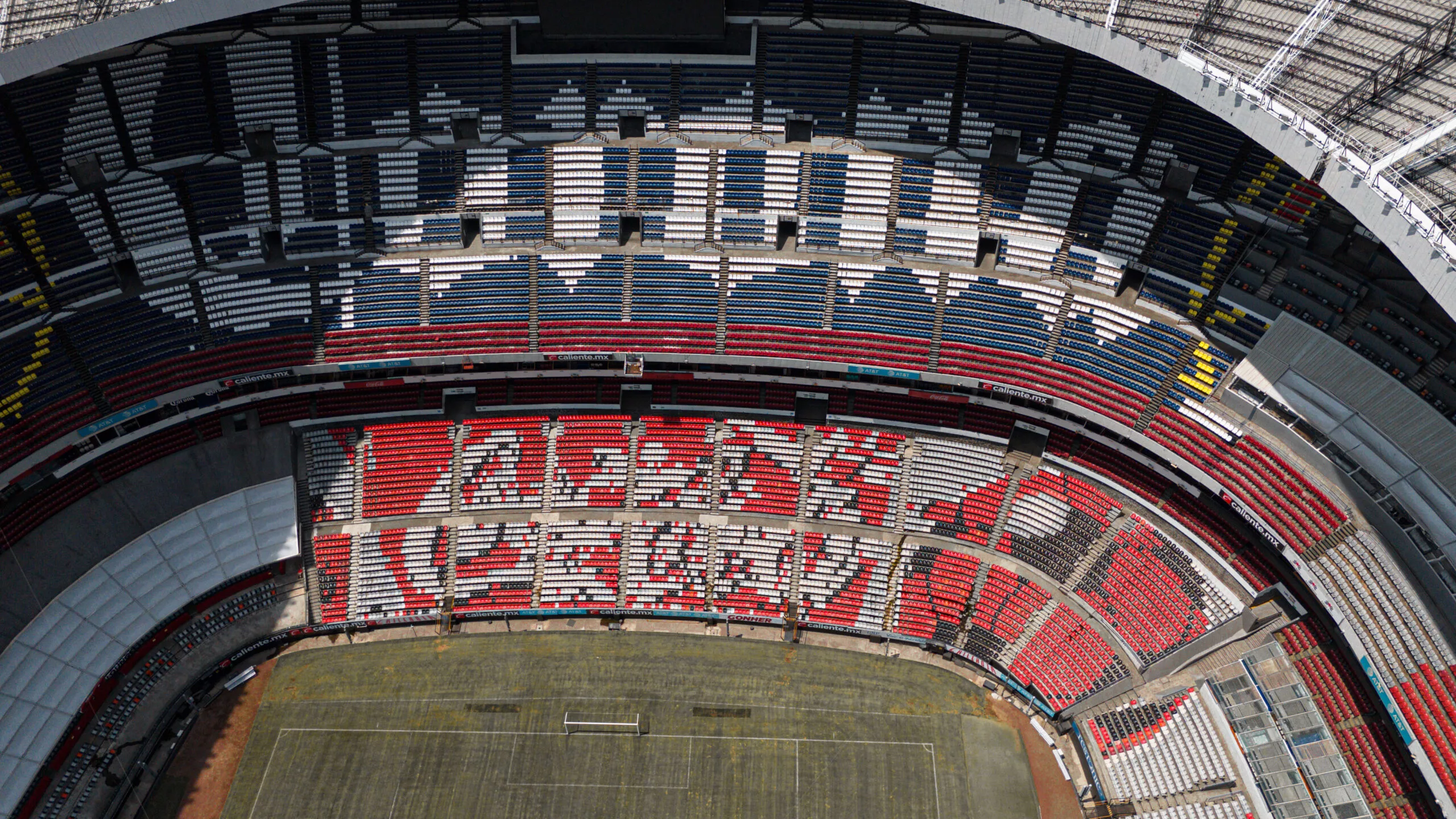
A court win for the World Cup 2026 Azteca box holders
The administration of the stadium now branded Estadio Ciudad de México confirmed in early June that owners of palcos (boxes) and plateas (preferred stand seats) will receive their electronic tickets for the World Cup matches in the capital, including the opening ceremony and the June 11 inaugural game. The confirmation followed a federal judge granting precautionary measures to preserve the holders’ access during the tournament.
It closes, at least for now, a dispute that had simmered for months. Roughly 14,000 seats at the Azteca are tied to contracts that grant their owners entry to every event held at the venue for 99 years — whether a Club América league game, a concert, an NFL fixture or, now, the World Cup.
Why FIFA and the owners collided
FIFA requires full control of every stadium it uses, including the premium seating. That clashed head-on with the contractual rights of the Azteca’s box holders, who organised as the Asociación Mexicana de Titulares de Palcos y Plateas to defend their access. The association took legal action and prevailed, with its leadership insisting the seats would be honoured and that members would pay nothing.
To square the circle, the stadium operator, Grupo Ollamani, agreed to compensate FIFA — a payment reported at about US$62.4 million — so the holders could be admitted to the World Cup matches without charge. Owners who buy official hospitality packages were also offered a credit worth 25% of the package value, usable on food, drinks or parking inside the stadium.
The smaller battles along the way
The headline access fight was not the only one. FIFA and the operator had also tried to bar season-seat holders from bringing their own food and drink — normally permitted — offering only official catering packages priced in the tens of thousands of pesos. They further threatened to ban holders from the whole tournament if they resold individual seats. Mexican courts struck down both measures in May, narrowing the pressure on the owners.
Even so, some friction lingers over operational details, and association representatives have warned they will return to court if promised tickets fail to arrive on time.
A stadium making history again
The venue at the centre of the dispute is no ordinary ground. The Azteca staged the 1970 and 1986 World Cup finals, and in 2026 it becomes the first stadium anywhere to host matches at three different World Cups. It will hold five games this time, opening with Mexico against South Africa on June 11 before more than 80,000 spectators, followed by further group matches and knockout fixtures.
Why it matters
For the thousands of visitors arriving for the opener, the saga is a reminder that the World Cup 2026 Azteca experience sits on top of decades-old local arrangements that even FIFA cannot simply override. It also underlines how scarce — and expensive — opening-match seats are: while 14,000 go to long-standing owners at no cost, resale listings for the same game have run into the thousands of dollars.
For Mexico, the resolution removes one more loose end in a hectic final week before kickoff, even as protests, roadworks and transport upgrades continue to reshape the city around the stadium.
More: Mexico news in English, every day from The Rio Times.
Frequently Asked Questions
What did the Azteca box holders win?
A court secured their right to receive digital tickets for the World Cup matches in Mexico City, including the June 11 opener, at no cost, protecting their long-standing contracts.
How many seats are involved?
About 14,000 palco and platea seats, held under 99-year contracts that grant entry to every event at the stadium.
Why did the stadium pay FIFA?
Operator Grupo Ollamani paid FIFA about US$62.4 million in compensation so the box holders could be admitted to the World Cup matches without charge.
How many World Cup games will the Azteca host?
Five, including the June 11 opener between Mexico and South Africa, making it the first stadium to host matches at three different World Cups.
Connected Coverage
For more, see Mexico City’s World Cup opening ceremony and our full World Cup 2026 hub.
This article was produced by The Rio Times’ automated newsroom system. How we use AI · Report an error
Read More from The Rio Times