The World Bank Loan for Uruguay Is US$300 Million, and Its Real Value Is the Drawdown Option
URUGUAY · ECONOMY
Key Facts
- —The approval The World Bank board approved it on Monday, 14 September 2026.
- —The amount US$300 million, under the name Strengthening Competitiveness, Private Investment and Employment.
- —The instrument A development policy loan, which is budget support, not project finance.
- —The option A deferred drawdown option, allowing rapid access to liquidity during an economic shock.
- —The terms Variable spread, six and a half years to repay, with two and a half years of grace.
- —The catch Disbursement is tied to reforms, several of which need Uruguay’s parliament to act.
Uruguay is not short of money. What this instrument buys is the option to have some quickly.
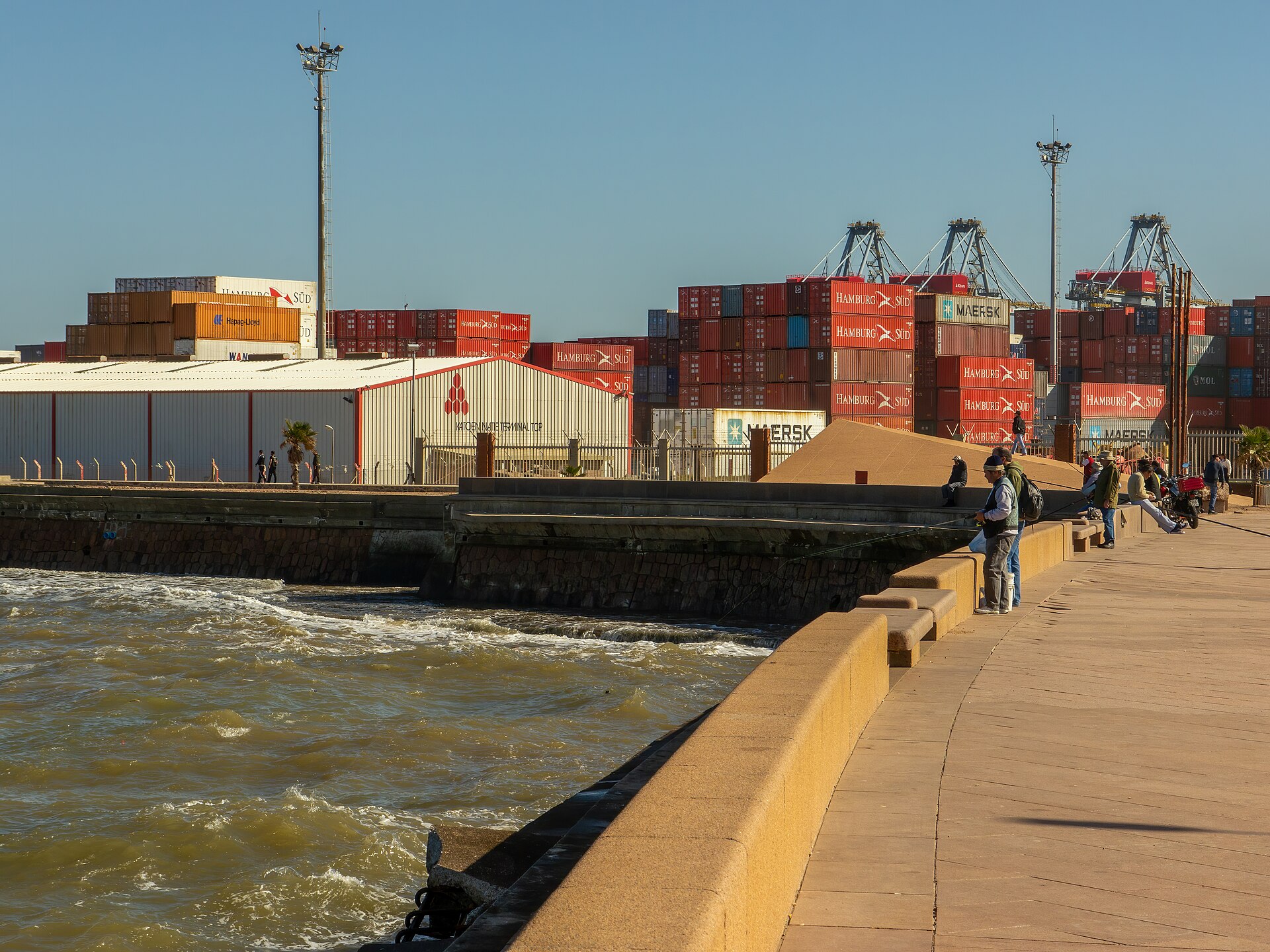
The World Bank loan for Uruguay approved on Monday, 14 September 2026, is worth US$300 million. Its formal name is Strengthening Competitiveness, Private Investment and Employment.
The interesting part is not the amount. It is the shape of the instrument.
What a Development Policy Loan Is
This is budget support, not project finance. The money does not build anything specific.
It is disbursed against policy actions the government has taken or commits to take. The lender is buying reform, not infrastructure.
That makes the list of reforms the substance of the deal. It is set out in the release and covers several distinct areas.
Trade comes first, with ratification of the agreement with the European Union. Customs simplification follows.
Then come broader business measures. Expanded access to finance for firms, and investment incentives reoriented towards innovation.
Labour measures target formal employment for young people, women and vulnerable groups. Fiscal measures cover the debt and balance rules.
Pension sustainability and multinational taxation standards complete the list. That is a wide agenda for a single loan.
The Drawdown Option Is the Point
The World Bank loan carries a deferred drawdown option. That means Uruguay does not have to take the money now.
It can leave the facility undrawn and call on it quickly if an economic shock arrives. In effect it is a pre-approved credit line at multilateral pricing.
For a country with good market access, that is worth more than the cash. Uruguay can borrow commercially when conditions are calm.
What it cannot always do is borrow cheaply when conditions are not. This instrument covers exactly that gap.
Whether the option is the disaster-triggered variant is not stated in the release. Nor is any split between drawn and deferred amounts.
The Terms
It carries a variable spread. Repayment runs over six and a half years with a grace period of two and a half.
Those are ordinary terms for this type of lending. They are considerably cheaper than Uruguay would pay in the market.
The release does not publish a project number. A separate Uruguay operation with a similar name exists, which is a trap for anyone searching the bank’s database.
What Each Side Said
Gabriel Oddone, Uruguay’s economy and finance minister, framed the problem as microeconomic. He said the challenge lies in the microeconomic reforms needed to improve competitiveness.
That is a candid formulation from a finance minister. It concedes that macroeconomic stability has not translated into growth.
Susana Cordeiro Guerra, the bank’s vice president for Latin America and the Caribbean, made the same point differently. She said the challenge now is to leverage Uruguay’s strength into greater competitiveness.
Both are describing a country that has done the difficult part and not yet collected the reward. That is the honest summary of Uruguay’s economic position.
The Context
Uruguay is South America’s highest-rated sovereign borrower. It has kept investment grade ratings through periods when its neighbours lost them.
Its constraints are structural rather than financial. A small domestic market, high labour costs by regional standards, and limited capital market depth.
The European Union trade agreement is the largest single item on the list. Ratification is a parliamentary act, not an executive one.
That is the risk sitting inside this loan. Several supported measures need legislative majorities the government will have to assemble.
A development policy loan disburses against delivery. If the reforms stall, the tranches do too.
More: Uruguay news in English, every day from The Rio Times.
Frequently Asked Questions
What is in the World Bank loan for Uruguay?
A US$300 million development policy loan called Strengthening Competitiveness, Private Investment and Employment, approved by its board on 14 September 2026.
What is a deferred drawdown option?
A feature allowing the borrower to leave the loan undrawn and access the funds quickly if an economic shock arrives. It functions as a pre-approved credit line at multilateral pricing.
What reforms does it support?
Ratification of the European Union trade agreement, customs simplification, expanded business access to finance, innovation-oriented investment incentives, formal employment measures, fiscal rules, pension sustainability and multinational taxation standards.
What are the terms?
A variable spread, repayment over six and a half years, and a grace period of two and a half years.
Why does Uruguay need it?
Not for cash. Uruguay is South America’s highest-rated sovereign and borrows easily in calm conditions. The value is cheap, fast liquidity available when conditions are not calm.
Sources: The World Bank press release of 14 September 2026.
This article was produced by The Rio Times’ automated newsroom system. How we use AI · Report an error
Read More from The Rio Times