Wildfires Push Chile Into Emergency Rule As Flames Reach Southern Cities
Key Points
- A state of catastrophe and a nighttime curfew expanded powers as fires neared Greater Concepción.
- Around 20,000 people were evacuated, with more than 20 fires burning and thousands of hectares lost.
- The crisis shows how wildfires can spill into housing, logistics, and public order.
Chile’s government activated emergency powers in the south after fast-moving wildfires reached urban edges and roads. President Gabriel Boric declared a “state of catastrophe” for Ñuble and Biobío, pledging full state resources.
Multiple fronts advanced toward neighborhoods in and around Concepción, the country’s second-largest metro area. Evacuation orders covered Penco, Tomé and Florida, plus sectors of Concepción.
In Ñuble, authorities evacuated Quillón and Ránquil as flames crossed rural corridors toward towns. CONAF, the national forestry agency, reported more than 20 fires in active combat nationwide, with the heaviest pressure in the two emergency regions.
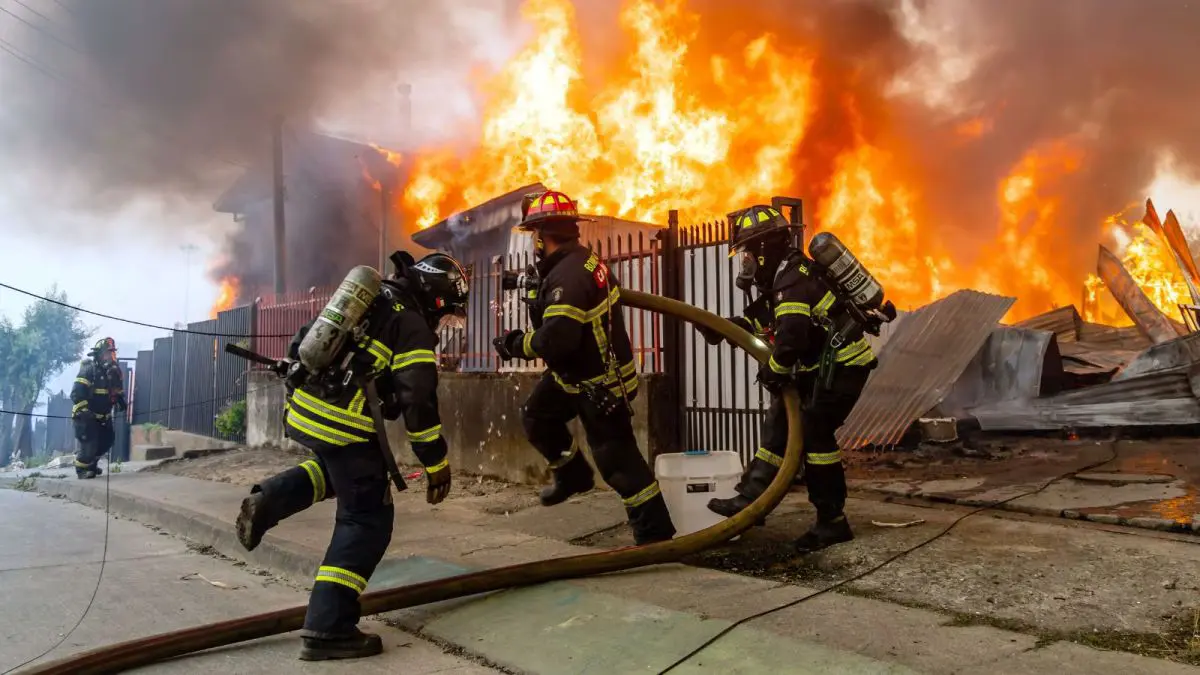
Early tallies cited over 4,700 hectares burned in Ñuble and more than 3,500 in parts of Biobío, alongside red alerts in several jurisdictions.
SENAPRED, the disaster agency, used the national cell-broadcast alert system to repeat evacuation messages as wind shifts and smoke reduced visibility.
Damage estimates shifted by the hour. Officials initially reported injuries and no confirmed deaths in some briefings, while later updates carried by major outlets reported at least 18 fatalities as searches and verification continued.
Preliminary figures pointed to about 250 homes destroyed, with authorities warning totals could rise once crews reached isolated areas and residents could return.
The response widened into a whole-of-government operation. Interior officials convened a national risk committee with public works, health, agriculture, defense and energy officials, as well as police and firefighters.
Authorities also imposed a nighttime curfew in the most affected Biobío communes, aiming to protect evacuations, reduce road traffic, and deter looting while crews worked.
The stakes go beyond the forests. Biobío and Ñuble anchor major forestry, industrial, and logistics chains. When fires hit cities, costs shift to housing, power lines, ports, and insurance. For regional investors and neighbors, it is a reminder that fast disasters quickly become political tests.
Related coverage: Brazil’s Morning Call | Chile’s Peso Holds Near 886 As IPSA Rallies On A Late Instit This is part of The Rio Times’ daily coverage of Chile affairs and Latin American financial news.
This article was produced by The Rio Times’ automated newsroom system. How we use AI · Report an error · Editorial responsibility: Matthias Camenzind, Editor-in-Chief
Read More from The Rio Times