Guatemala Imposes 30-Day State Of Siege After Prison Hostages And Police Killings
Key Points
- Prison riots and hostage-taking preceded attacks killing at least seven police; some reports later counted eight
- Arévalo ordered a 30-day state of siege, widening security powers and allowing temporary limits on assembly and travel
- The episode highlights prison-based gang command and the political risks of emergency rule
Guatemala’s government imposed a 30-day state of siege after violence that began inside prisons and spread to attacks on police. The decree followed coordinated assaults on the National Civil Police on Sunday, January 18, 2026.
Authorities initially said at least seven officers were killed, while later reports cited eight. The escalation was tied to unrest on Saturday, January 17, when inmates in three detention centers seized prison staff as hostages.
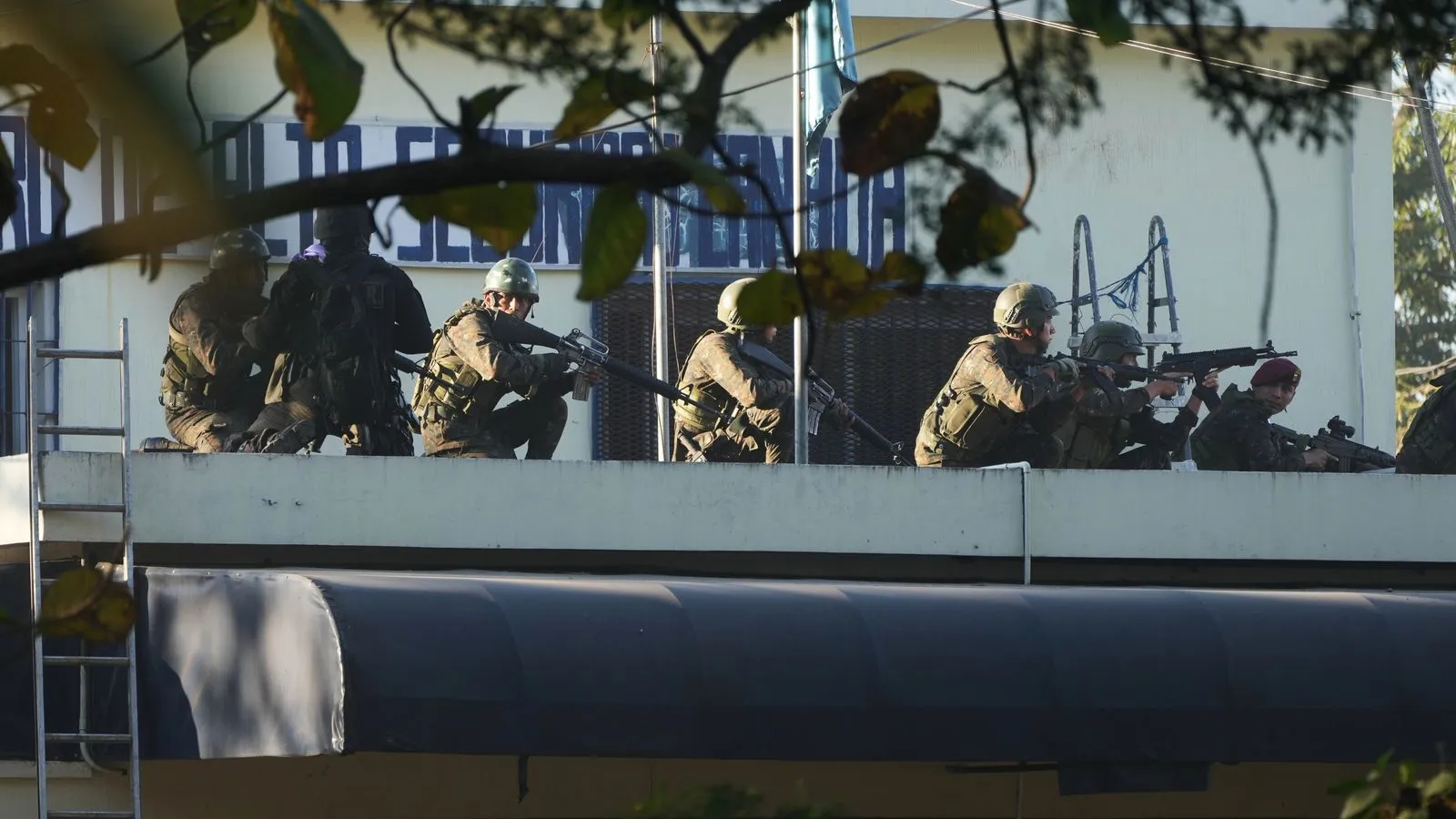
Early official counts cited 46 hostages across the three sites. Later reporting described 37 hostages still held in two prisons at one point. Other accounts said hostages were freed without injuries. The shifting figures reflected a fluid, multi-site operation.
Security Forces Reclaim Control in Escuintla
A major focus was Renovación I, a maximum-security facility in Escuintla, about 76 kilometers from Guatemala City. Security forces retook control there and freed nine guards who had been held.
Officials cast the operation as part of a broader offensive against criminal groups. Security sources described the police attacks as retaliation ordered from within the prison system.
Reporting said Barrio 18 leader Aldo Duppie Ochoa, known as “El Lobo,” was detained during the crackdown. Officials linked the timing to the backlash and warned of further reprisals.
A state of siege is an emergency regime under Guatemala’s Constitution and the Law of Public Order. It can restrict gatherings and movement for a limited period. It can also broaden search and detention powers during security operations.
Congress must review the decree and can approve, change, or reject it. The government paired the order with daily-life restrictions. Classes were suspended nationwide and some public events were canceled.
Joint army and police deployments expanded, as officials pledged to restore control and protect public safety. Businesses and schools now brace for a tense month.
Related coverage: Brazil’s Morning Call | Argentina’s Trade Surplus Looks Set To Shrink In December, E This is part of The Rio Times’ daily coverage of Latin American news and financial markets.
This article was produced by The Rio Times’ automated newsroom system. How we use AI · Report an error · Editorial responsibility: Matthias Camenzind, Editor-in-Chief
Read More from The Rio Times