Why are Chinese cars on the rise in Ecuador? In the first quarter of 2022, they captured 38% of the market
RIO DE JANEIRO, BRAZIL – Byron Viteri (59 years old) has just bought his second Chinese car. The main reason he chose a car of this type was the price: “You save 30% of the value compared to other cars with the same characteristics.” He says that three years ago he bought a Chinese sedan that was very good and cost US$14,900, while a similar car of another brand would have cost US$18,000.
Now he bought an SUV with his severance pay because he wanted a “smaller” car so he could travel. So he bought a Chinese SUV that cost him US$17,900, but a car with similar features would have cost him US$25,000.
Read also: Check out our coverage on Ecuador
He explains that he likes the design, thinks it is of high quality, and that it is equipped with the latest technology. He asserts that the maintenance service is cheaper. Moreover, he believes that the car can be safely left on the road, because he has not heard that criminals would be interested in this type of car. Like Byron, many other Ecuadorian consumers are showing a greater preference for Chinese cars.

The latest figures released by the automotive industry guilds confirm this. According to the Chamber of the Automotive Industry of Ecuador (Cinae), sales of Chinese vehicles in 2022 increased exponentially compared to 2018. While 3,221 units were sold in the first quarter of 2018, representing a market share of 9.9% at that time, in 2022 there will already be 11,490 units sold in the same period, while the percentage share of the market will be 38.5%.
The increase from 2021, when 7,360 Chinese cars were sold, to 2022, when sales reached 11,490 units, is more than 50%.
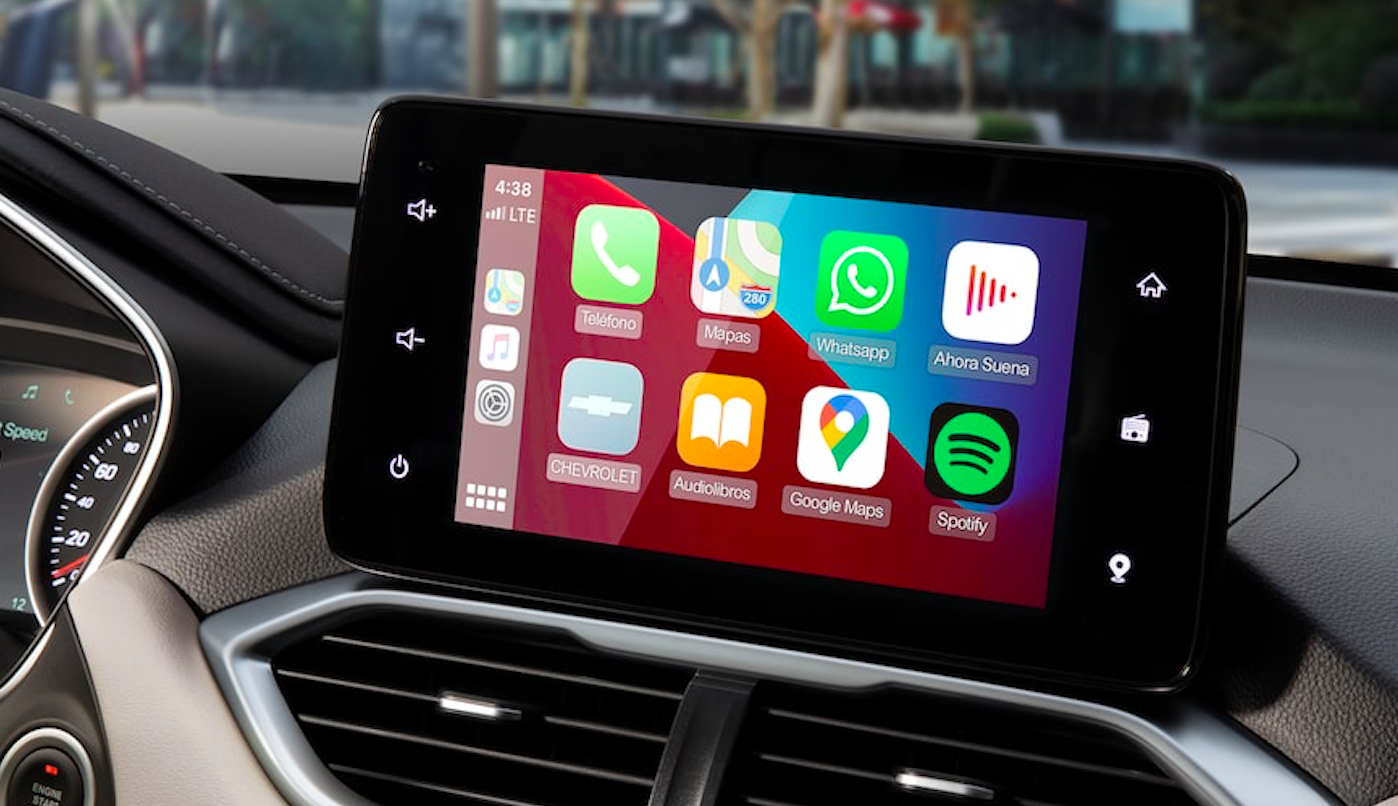
According to David Molina, executive director of Cinae, there are two key factors responsible for the strong penetration of Chinese cars in the Ecuadorian market. The first is price and the second is that Ecuadorians have managed to overcome the fear of the quality of Chinese cars.
He explains that price is a complex issue for competition, since most Chinese manufacturers are state-owned and receive a series of subsidies that allow them to have low prices. The other point is that the fear of Chinese quality has been overcome. He points out that the good brand management of the assembly company Ciauto (which assembles Chinese cars in Ecuador), especially the Great Wall brand, has contributed a lot to this change. The national marketing was done with good strategies and guarantees, which led to more trust. This was a first step, and then the other Chinese brands also benefited from this opening.
Molina reiterates that under these circumstances, the government should think twice before promoting a trade agreement with China if there is not a level playing field.
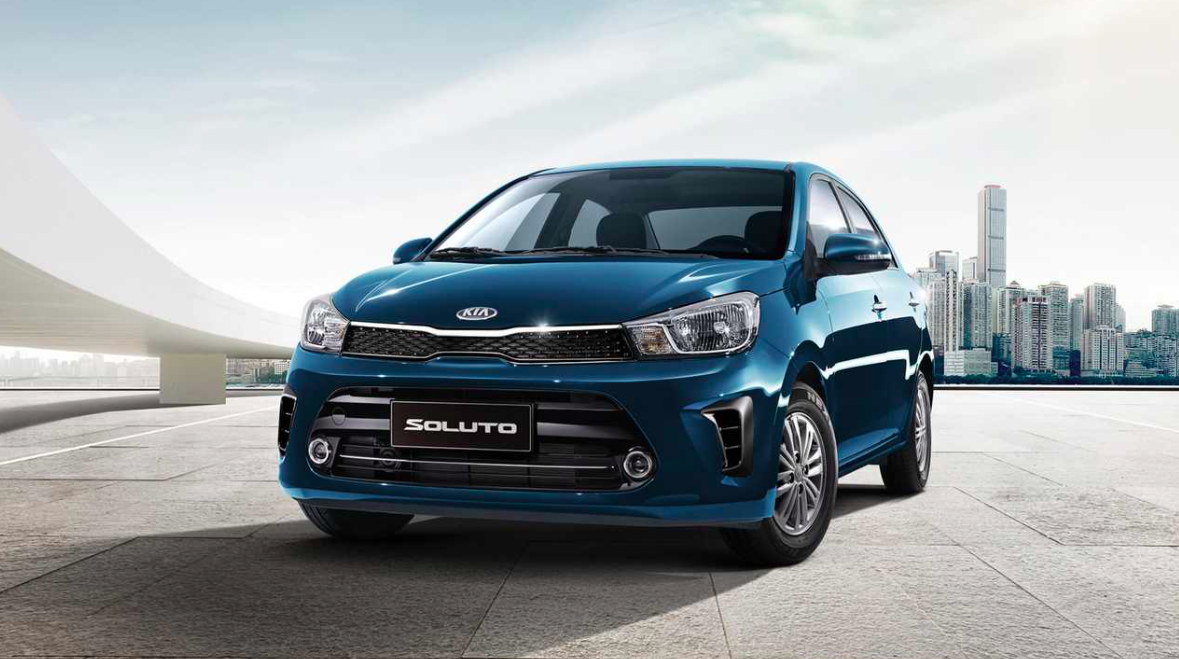
According to Cinae’s ranking, of the country’s 20 best-selling models, eight are from China, although two of them, Captiva and Soluto, are brands linked to other countries. In any case, seven of the eight best-selling Chinese models are Jeeps and only one is a car.
In the ranking (January to March 2022), the Beat Premier, a Chevrolet vehicle manufactured in Colombia, is in first place. In second place is the Jeep Captiva LTZ (Chevrolet), but it is a Jeep made in China. In third place is the Beat IS AC 1.2, which also comes from Colombia. In fourth and fifth place are the SWM G01 and the Glory, also a Jeep. In eighth, ninth and tenth place are the Tiggo 2 AC, the Soluto (a Kia vehicle manufactured in China) and the X70 II AC. In 16th and 20th place are the Captiva Premier Turbo and the Tiggo 2 Pro.
More: Brazil news in English, every day from The Rio Times.
This article was produced by The Rio Times’ automated newsroom system. How we use AI · Report an error · Editorial responsibility: Matthias Camenzind, Editor-in-Chief