In May 2024, Venezuela’s inflation rate reached a historic low of 78% annually, the lowest since 2017.
This decrease from previous months highlights the Central Bank of Venezuela’s (BCV) efforts to stabilize the economy through exchange rate adjustments.
The May inflation rate was 3.9%, up from April’s 2.9%, resulting in a cumulative annual rate of 15.3%.
Despite these figures, financial strains are still evident, especially in the services sector. Electricity costs jumped 18.2%, and water service fees increased by 16.7%.
Similarly, sanitation and gas services rose by 7%, while hikes in cable TV, mobile phone, and internet services were 5%, 14.4%, and 4%, respectively.
Education costs also rose, with transportation fees up 6%, university tuition by 4%, and school fees by 24%. However, the food and beverage sector saw a slight deflation of 1.1%.
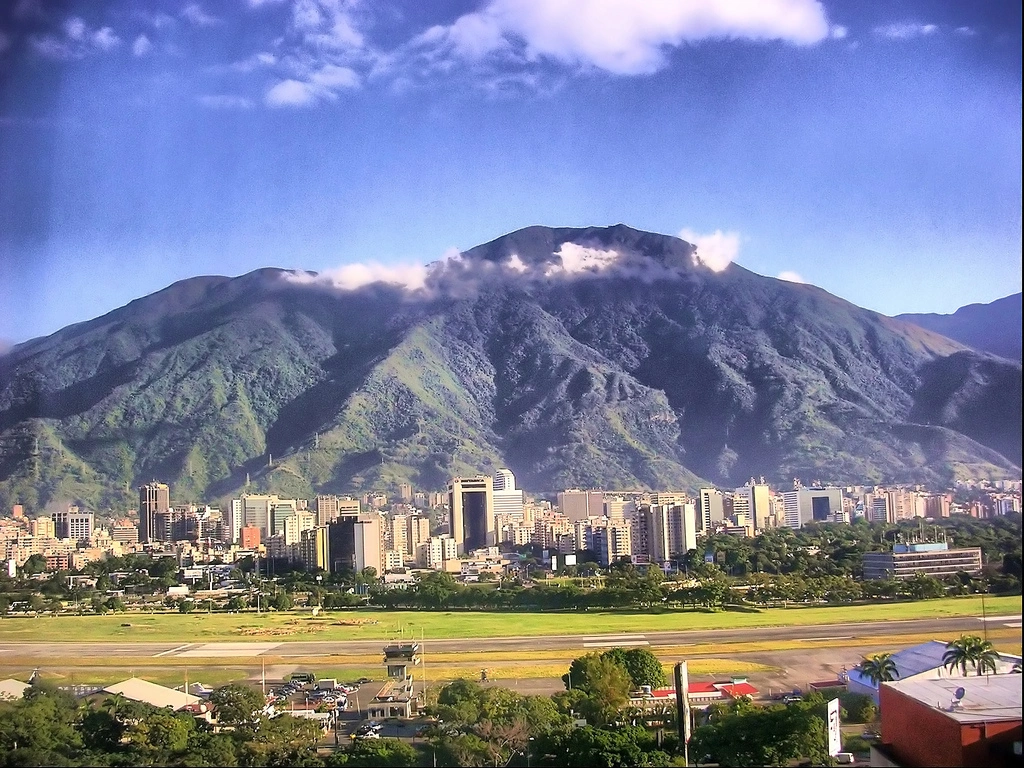
Geographically, inflation rates differed. In Caracas’s Metro area, annual inflation hit 80%, with a monthly rate of 4%, above the national average.
The IMF forecasts a 4% growth for Venezuela’s economy in 2024, consistent with 2023, and anticipates a slight rise to 3% in 2025.
This forecast is above the regional average growth of 2% for Latin America.
However, these projections are cautious, given the challenges in oil production and ongoing inflation volatility.
The trend in inflation suggests cautious optimism for Venezuela’s economic future, showing potential signs of stabilization and recovery.
This outlook offers hope for improved economic conditions and less daily hardship for its citizens.
More: Venezuela news in English, every day from The Rio Times.
This article was produced by The Rio Times’ automated newsroom system. How we use AI · Report an error
Read More from The Rio Times