Venezuela Wants Its Oil Talent Back. Many Refuse to Return.
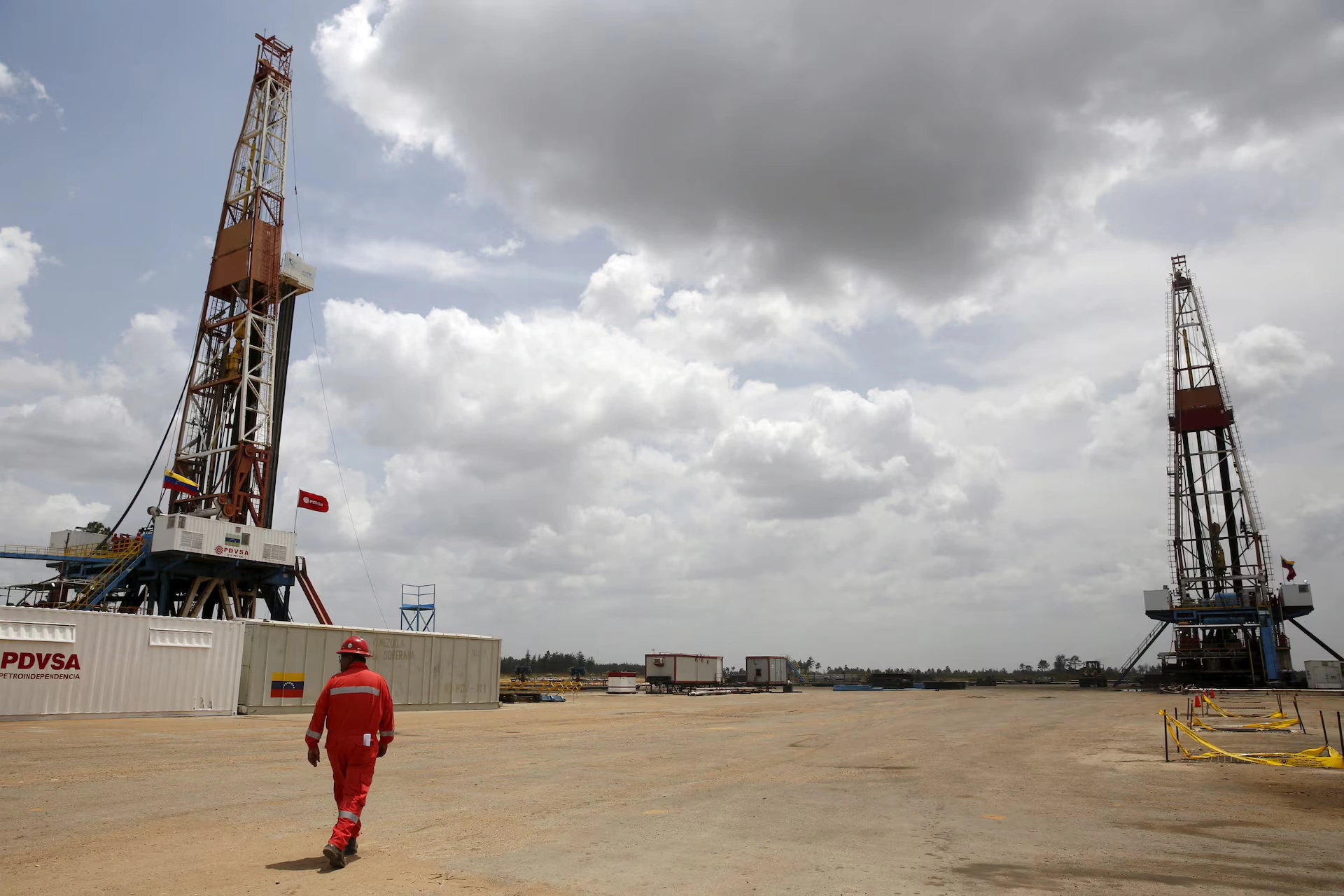
Venezuela · Energy
Key Facts
—The reopening. US licenses now let major oil firms operate in Venezuela again.
—The names. Chevron, BP, Eni, Repsol and Shell were cleared to return early in 2026.
—The gap. The skilled engineers needed to run the fields left the country years ago.
—The hunt. Firms like Halliburton and Chevron have begun rebuilding local talent pools.
—The reluctance. Much of the scattered diaspora is in no rush to come home.
—The prize. Washington has pushed for tens of billions of dollars in fresh investment.
Venezuela’s oil industry is opening up again, but the oil talent it needs to run it fled years ago, and coaxing that scattered workforce home is the hardest task of all.
Venezuela sits on some of the largest oil reserves on the planet. After years of decline, it is trying to bring that wealth back to life.
For a reader abroad, the political backdrop has shifted dramatically. The United States has eased its sanctions, allowing major foreign oil companies to operate in the country once more.
Money and machinery are part of the answer. But the harder problem is human, and it cannot be solved by licenses alone.
The engineers and technicians who once ran these fields are largely gone. Many fled the country during years of crisis, and persuading them to return is proving difficult.
The doors reopen to big oil
The change began with a stroke of the pen in Washington. Early in 2026, US authorities issued licenses clearing several global majors to return to Venezuela.
The roll call is impressive. Chevron, BP, Eni, Repsol and Shell were among those allowed to explore, produce and export crude again after years on the sidelines.
The shift followed a dramatic turn in politics. It came after the United States captured the former president, Nicolás Maduro, who is now held in an American jail.
The ambition behind it is vast. Washington has urged big oil to pour tens of billions of dollars into the country to lift production sharply.
The oil talent that walked away
Here lies the catch in the comeback story. Reviving an oil industry needs experienced people, and Venezuela’s had been hollowed out long before the doors reopened.
The exodus was enormous. Over a decade of economic collapse, millions of Venezuelans left, and among them were many of the country’s most skilled oil workers.
They did not vanish from the industry. Instead they took their expertise to fields in Colombia, the Gulf, Canada and beyond, where conditions and pay were far better.
Now the companies want them back. Firms such as Halliburton and Chevron have begun building local talent networks and posting jobs for engineers and technicians.
The early steps are modest but telling. Halliburton, which had pulled out entirely in 2020, opened calls to gather résumés for a future workforce rather than to fill immediate posts.
Chevron has moved in similar fashion. It has advertised technical roles in the eastern and western oil regions, signalling a long-term intent to rebuild its presence.
Why so many are staying away
For the diaspora, the calculation is cautious. Many built new and stable lives abroad, and a single round of licenses is not enough to undo that.
Trust is the deeper obstacle. Years of upheaval taught skilled workers to doubt promises of stability, and that wariness does not fade overnight.
Those who stayed have gained leverage. With senior talent scarce, recruiters describe an intensifying contest for the experienced professionals still inside the country.
The numbers underline the squeeze. One Venezuelan business-school survey found a majority of active professionals were already weighing a change of job amid the new demand.
Companies are adjusting how they compete. Instead of simply matching pay, many now dangle the promise of stability and a role in rebuilding the country’s economy.
For a foreign reader, the lesson is broad. Rebuilding an economy is rarely just about capital, because the people who make it work can be the hardest thing to bring back.
The stakes stretch beyond Venezuela‘s borders. A faster recovery would reshape global crude flows and test how quickly Western firms can re-establish themselves in a long-closed market.
For now, the bottleneck is people, not permits. Whether Venezuela can rebuild its workforce may decide how much of its vast underground wealth ever reaches the surface.
Frequently Asked Questions
Why is Venezuela’s oil industry reopening?
The United States eased sanctions in early 2026, issuing licenses that let major foreign firms operate in Venezuela again. Washington has pushed for large new investment to lift the country’s oil output.
Why is there an oil talent shortage?
Millions of Venezuelans, including many skilled oil workers, emigrated during years of economic crisis. That left the industry short of the experienced engineers and technicians needed to run its fields.
Will the workers come back?
Many are reluctant. Having built stable careers abroad, and wary after years of instability, much of the diaspora is in no hurry to return despite the industry’s renewed demand for talent.
Connected Coverage
Chevron doubles down on Venezuela as new oil rules take shape
Chevron re-enters the Venezuelan oil market amid US-China rivalry
This article was produced by The Rio Times’ automated newsroom system. How we use AI · Report an error · Editorial responsibility: Matthias Camenzind, Editor-in-Chief