Chevron Doubles Down On Venezuela As New Oil Rules Take Shape
Key Points
- Chevron signaled it will keep operating in Venezuela as lawmakers move to rewrite key oil rules.
- Output tied to Chevron is a major share of near-term production, but exports still swing with licensing limits.
- Trade frictions, including a China-linked pullback, show how political control still shapes every barrel.
Chevron’s senior representative in Venezuela, Mariano Vela, used a public appearance to reaffirm the company’s commitment to keep working in the country’s energy sector.
He stressed technology, operational capacity, and a focus on worker safety and asset integrity. He also thanked lawmakers for what he framed as an inclusive consultation process on legal reforms.
The timing was not accidental. Venezuela’s National Assembly has been holding consultations on changes to the hydrocarbons framework.
Reports indicate the reform has moved through an initial legislative step. A second debate would still be required before final adoption. The government’s message is that new rules can make the sector more competitive and attract investment.
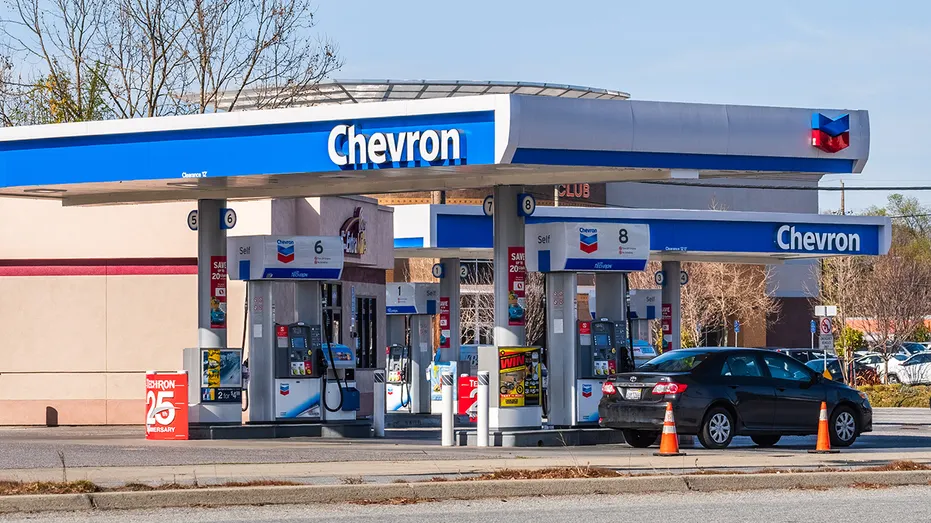
Chevron is central because it remains the most significant U.S. operator with active joint ventures alongside PDVSA. Recent reporting has put production linked to those ventures around 240,000 barrels per day.
That makes Chevron a practical anchor for any fast output gains. Export flows, however, remain uneven. Late-2025 reporting pointed to periods around 100,000 barrels per day, reflecting licensing limits and operational constraints.
Trade details underline the bigger challenge. A U.S.-licensed supply arrangement has moved several million barrels so far, but more slowly than expected.
The delays have been tied to storage, transfer logistics, and pricing disputes. Separately, PetroChina has instructed traders to avoid buying Venezuelan crude marketed under U.S. oversight.
That matters because China has long been a key destination for Venezuelan barrels. Service capacity could become the accelerant.
SLB has said it could expand activity quickly if licensing, safety, and compliance conditions allow. That signals a pathway where the first production gains come from firms already positioned on the ground.
For readers abroad, this story is about credibility. Markets respond to enforceable rules, clean payment channels, and predictable contracts.
When politics overrides those basics, production plans become press releases. When rules become clearer, barrels return, and prices notice.
Related coverage: Brazil’s Morning Call | PicPay’s Nasdaq IPO Tests Whether Pix-Era Wallets Can Become This is part of The Rio Times’ daily coverage of Venezuela affairs and Latin American financial news.
More: Latin America news in English, every day from The Rio Times.
This article was produced by The Rio Times’ automated newsroom system. How we use AI · Report an error · Editorial responsibility: Matthias Camenzind, Editor-in-Chief