Venezuela Has Named an EU Ambassador. Brussels Has Not Said It Will Receive Him.
VENEZUELA · DIPLOMACY
Key Facts
- —The appointment Raul LiCausi, named ambassador and head of mission to the European Union on 14 September.
- —Also accredited Ambassador to Belgium, with concurrent accreditation to Luxembourg.
- —The announcement Made by Delcy Rodríguez through the communication ministry account and the presidential press office.
- —His previous post Deputy foreign minister for the Caribbean, a post filled in the same announcement.
- —Not confirmed No official gazette decree has been located, and no European response has been reported.
- —The catch The government making the appointment is led by a figure under European Union sanctions.
An appointment is made in one capital. Accreditation happens in another, and has not.
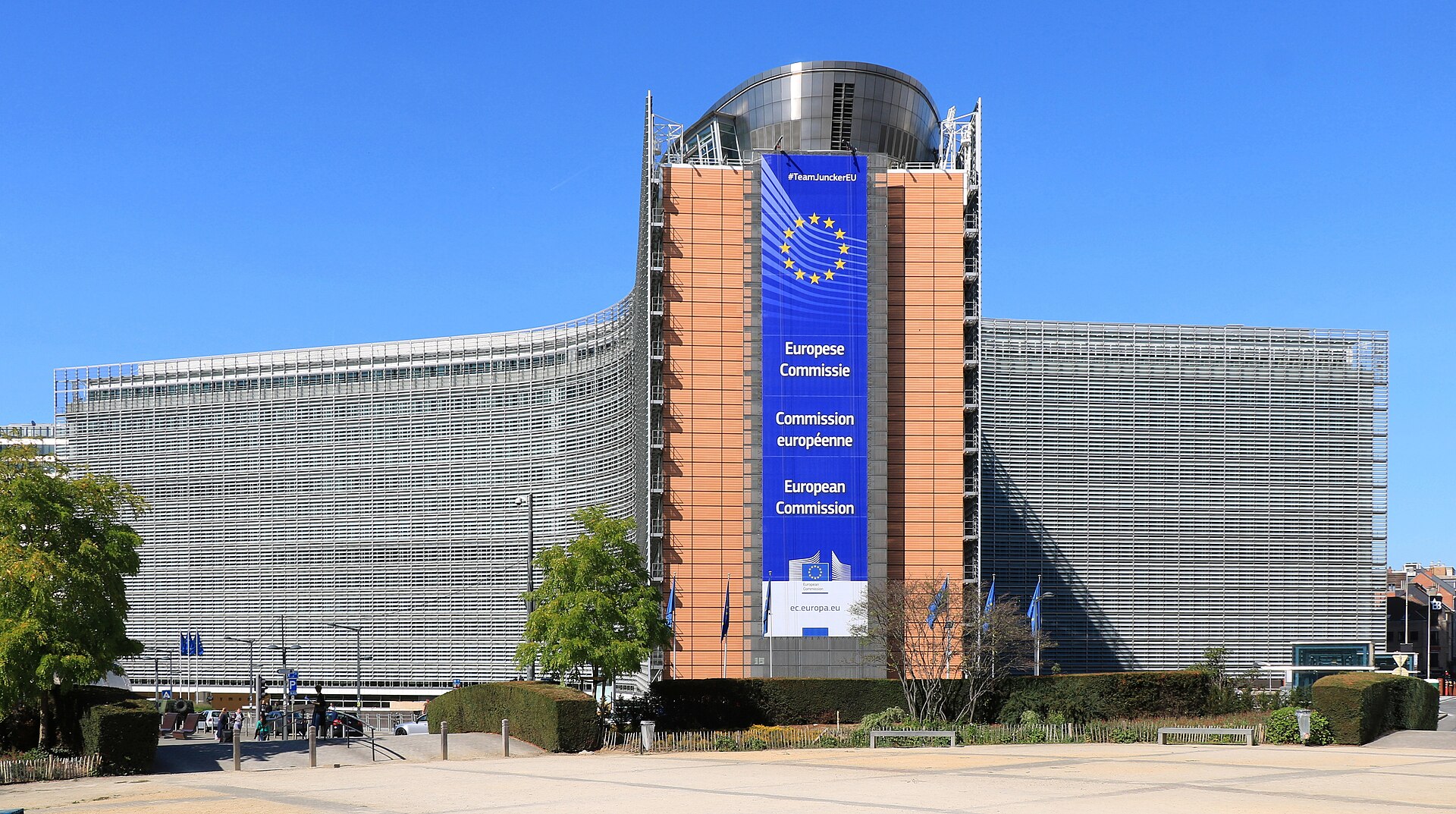
Venezuela named a new EU ambassador on Monday, 14 September 2026. Raul LiCausi was announced as ambassador and head of mission to the European Union.
He was simultaneously named ambassador to Belgium, with concurrent accreditation to Luxembourg. Whether Brussels will accept him is a separate question that nobody has answered.
What Was Announced
Delcy Rodríguez made the announcement through the communication ministry account and the presidential press office. It came as part of a batch of appointments.
Andrea Gabriela Corao was named president of the state export body. Carlos Amador Pérez became deputy foreign minister for the Caribbean.
Eduardo Antonio Ramírez took the Asia and Oceania deputy ministry, and Radames Gómez Azuaje a deputy ministry for hydrocarbons geopolitics. That is a wide reshuffle of the foreign and energy apparatus.
No decree number or official gazette publication has been located. At present this is a social media and press office announcement.
Two Discrepancies in the Reporting
Most outlets describe LiCausi as newly appointed. One pro-government outlet describes him as ratified, which would imply he already held the post.
The majority reading is the better supported one, and there is a structural reason. The same announcement named a replacement deputy foreign minister for the Caribbean, which was LiCausi’s own post.
Filling the job he is leaving is consistent with a move, not a confirmation in place. That internal logic makes the appointment reading stronger.
A second claim, that he replaces an ambassador who has held the post since 2022, appears in only one outlet. No other source mentions that predecessor, and it is not repeated here.
Beyond his previous deputy ministry, no detailed biography has been published. Most outlets offer only a general reference to service in public administration and the foreign service.

Appointment Is Not Accreditation
A sending state names an ambassador. The receiving state must agree to accept that person before credentials are presented.
In the case of the European Union, the receiving side is the bloc’s external action service rather than a single government. Belgium separately accepts the bilateral accreditation.
No source reports any European response to the new EU ambassador. Nothing indicates that agreement has been sought, granted or refused.
In ordinary circumstances this would be routine and unremarkable. These are not ordinary circumstances.
Why Acceptance Cannot Be Assumed
Delcy Rodríguez has been Venezuela‘s interim president since 5 January 2026. She is also subject to European Union sanctions, comprising a travel ban and an asset freeze.
Those sanctions remained in force as of June 2026. The bloc’s high representative proposed lifting them in February, citing the release of European political prisoners and an amnesty law.
That proposal was never formally put to member states. The European Commission restated in June that lifting requires unanimity among all 27.
The European Parliament voted on 30 April 2026 to maintain sanctions pending democratic progress. Parliament does not decide the question, but the vote indicates the political weather.
There is also precedent for rupture. In February 2021 Venezuela expelled the bloc’s head of delegation, declaring her persona non grata after new sanctions.
The European Union reciprocated against Venezuela’s own envoy. That was five years ago and should not be presented as current.
Whether a head of delegation is currently posted in Caracas is not established. No source settles it either way.
What Would Signal Progress
Three things would show the EU ambassador appointment going somewhere. A decree in the official gazette, a European acknowledgement, and a date for credentials.
None of them has happened. Until one does, this is a name announced in Caracas.
The appointment does tell you something about intent. A government that did not want a working relationship with Brussels would not bother filling the post.
Whether Brussels reciprocates is the story to follow. The sanctions question and the ambassador question are likely to move together or not at all.
More: Venezuela news in English, every day from The Rio Times.
Frequently Asked Questions
Who is the new EU ambassador?
Raul LiCausi, announced on 14 September 2026 as ambassador and head of mission to the European Union, and concurrently ambassador to Belgium with accreditation to Luxembourg.
Has the European Union accepted him?
No European response has been reported. Naming an ambassador and having the receiving side accept the appointment are separate steps, and only the first has happened.
What was his previous job?
Deputy foreign minister for the Caribbean. The same announcement named his replacement in that post, which supports the reading that this is a move rather than a confirmation in place.
Why might acceptance be complicated?
Venezuela’s interim president, Delcy Rodríguez, remains under European Union sanctions. A proposal to lift them in February 2026 was never put to member states, and lifting requires unanimity among all 27.
Was this published officially?
No official gazette decree has been located. The appointment was announced through the communication ministry’s social media account and the presidential press office.
Sources: RT Actualidad, La Verdad, Alba Ciudad and La Republica of Colombia, all of 14 September 2026, plus European Commission and European Parliament statements of 2026.
This article was produced by The Rio Times’ automated newsroom system. How we use AI · Report an error
Read More from The Rio Times