USA & Canada Intelligence Brief — Tuesday, August 25, 2026
Executive Summary
USA & Canada Intelligence Brief for August 25: Washington opened an economic D-Day on Iran and put 50% tariffs on Canadian goods the same day.
Rio Times · USA & Canada Intelligence Brief August 25, 2026
USA & Canada Intelligence Brief — Tuesday, August 25, 2026
The Superpower That Feels Cheated
Key Facts
- The offensive. The Treasury opened “Operation Economic Outcast” on Monday, an economic campaign against Iran that extends sanctions risk to five sectors and warns every country still trading with Tehran.
- The list. The opening action named 78 individuals, companies and vessels and ended waivers for remittances and academic ties. A major foreign bank is expected to be designated this week.
- The neighbor. Trade talks with Canada collapsed and 50% tariffs took effect on about 20 billion dollars of Canadian goods, from plywood and liquor to electrical equipment.
- The reply. Prime Minister Carney has promised to match the tariffs dollar for dollar. The president’s verdict: Canada “wants the benefits of being a State, without being one.”
- The market. Friday closed at records, the Dow at 53,277 and the S&P at 7,674, but Monday’s futures slipped and gold holds at 4,702 dollars an ounce.
- The week. Nvidia reports on Wednesday and the Jackson Hole symposium opens Friday, with Chair Warsh expected to say the fight against inflation is unfinished.
On a single Monday, the United States declared economic war on Iran and sent Canada the bill for a friendship. The two moves are not in tension; they are the same temperament.
Read in English and French, across the two countries’ largest outlets and our own North America desk.
Washington: D-Day As A Management Style
The greatest financial offensive, with a grace period
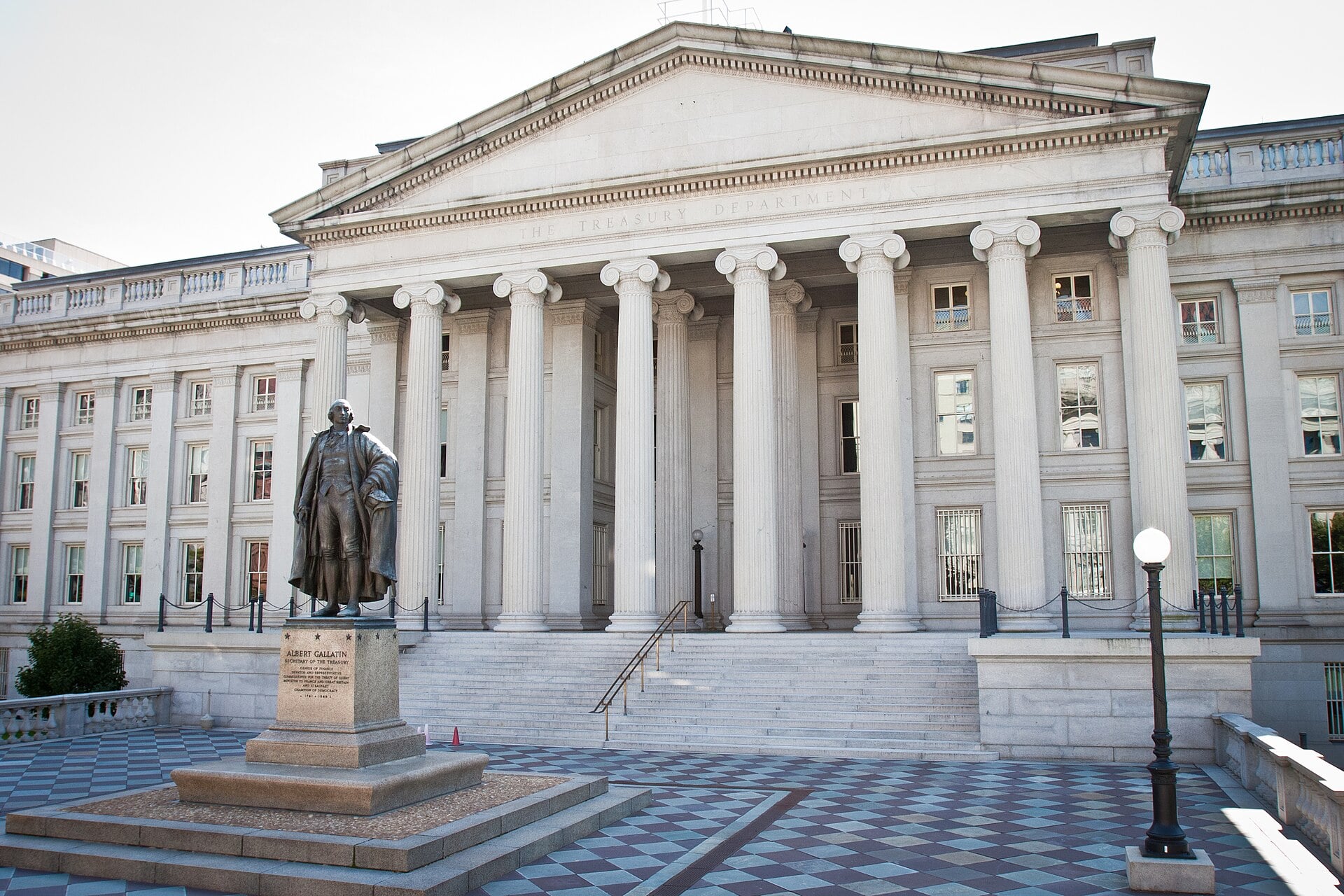
Treasury Secretary Bessent launched Operation Economic Outcast on Monday, extending sanctions determinations to five sectors of Iran’s economy: aviation, digital assets, gold, shipping and technology. Seventy-eight names went on the list, and waivers for remittances and academic ties were ended.
Yet the campaign’s first day was a warning rather than a blow. “We are giving everyone the opportunity to remedy bad behavior,” Bessent said, adding: “Why would I want to blow up the global financial system?” A major foreign financial institution, he said, will be designated by the end of the week.
The psychology of the ultimatum
“It’s no longer acceptable to operate in the gray spaces of this conflict,” Bessent said. Every country has been given requests and deadlines, none disclosed, which is the point: uncertainty is the instrument.
An economic war announced with military language and executed with deadlines is a government that wants compliance more than punishment. Whether the world complies is the question the week will begin to answer.
Ottawa: The Neighbor Gets The Invoice
Fifty percent, effective immediately
Talks between Washington and Ottawa broke down at the last minute, and 50% tariffs took effect on roughly 20 billion dollars of Canadian goods: plywood, liquor, electrical equipment and, with a cruelty that borders on symbolism, hockey gear.
Prime Minister Carney answered that Canada would match the tariffs “dollar for dollar to protect our workers and businesses.” The closest trading relationship in the world now runs on retaliation arithmetic.
What the insult is for
“Canada wants the benefits of being a State, without being one!!!” the president wrote. Read it as mood rather than policy: a superpower that experiences interdependence as exploitation, even with the neighbor that heats its homes and builds its cars.
Ottawa’s own temperament has shifted in answer. Carney campaigned on calm and now governs by counterpunch, because calm reads as weakness in Washington.
The Markets: Records Above, Worry Below
What the indices say and what gold says
Friday closed with the Dow at 53,277 and the S&P 500 at 7,674, both records. Monday’s futures slipped, and gold, the asset bought by people who trust nothing else, sits at 4,702 dollars an ounce.
The ten-year government bond pays 4.71%. Investors are simultaneously celebrating the economy and insuring against it, and both positions are rational this morning.
The Fed: Warsh’s First Jackson Hole
The sermon everyone already expects
The Jackson Hole symposium opens Friday, and Chair Warsh is expected to reaffirm the 2% inflation target and call the work unfinished. Markets believe him, which is why they price the Federal Reserve as the last major central bank to cut and the shallowest cutter when it does.
The economy he is defending
The paradox of the moment is that the data justify the caution. Growth holds, shares hold, and yet the government is running a sanctions war and a tariff war in the same week, both of which tax American consumers quietly and later.
Nvidia: The Company That Counts As Weather
Wednesday’s real economic data
Nvidia reports on Wednesday, and its guidance has become a macroeconomic event in the literal sense: the index’s record rests on a single supply chain. A company’s order book now moves the cost of money, which tells you where the country’s growth is concentrated.
The Machinery Also Grants Reprieves
Syria, off the list
On the same Monday, the United States formally removed Syria from its list of state sponsors of terrorism. The machinery that designates can also absolve, and the same week carried American-mediated de-escalation talks between Syria and Israel in Jordan.
The pattern is the temperament again: punishment and pardon issued from the same desk, on the same day, at the same discretion.
A country that sanctions its enemies and invoices its friends has not made a strategy. It has made a mood.
What This Means From Latin America
Every capital from Mexico City to Brasília should read the Canada file closely. If the country that shares America’s language, border and hockey league gets 50%, the doctrine is that proximity is no longer protection.
The “cure period” vocabulary is old news in this hemisphere. Cuba and Venezuela have lived under versions of it for decades; what is new is that the world’s largest economies are now being addressed in the same grammar.
And each public demonstration that the dollar system is a lever strengthens the case this hemisphere already half-believes: price more trade in local currencies, build more pipes that do not run through New York.
The Bigger Picture
The United States today holds record markets, the world’s reserve currency and the initiative everywhere it looks. Its governing emotion, nonetheless, is grievance: against Iran’s resilience, Canada’s tariffs on farm goods, allies’ gray spaces.
Grievance is a mood, and moods make poor strategies but excellent politics. The sanctions war, the tariff war and the Fed’s vigil are all, in their way, performances of a country insisting it has been cheated while it wins.
Gold at 4,702 dollars is the quiet dissent. Someone with a great deal of money does not believe the records, and they are paying handsomely not to.
USA & Canada Intelligence Brief August 25, 2026: What We Are Watching
- The first bank designated — promised by the end of this week, and the world’s treasuries are listening.
- Ottawa’s counterpunch — dollar for dollar, and where it lands first.
- Nvidia on Wednesday — one company’s guidance against the market’s record.
- Warsh on Friday — any softness on the 2% target moves every currency this hemisphere trades in.
- The cure period — who quietly complies with the Iran requests before they become designations.
- Gold at 4,702 — the dissent gets louder or it gets cheaper.
More from the Rio Times Intelligence Desk on August 25, 2026: Africa · Asia · Europe. For how these stories developed, see the USA & Canada Intelligence Brief for August 24 and August 23.
The hemisphere’s relationship with its northern neighbor runs through our pillar coverage of North America.
Frequently Asked Questions
What is Operation Economic Outcast?
A United States Treasury campaign launched August 24 that extends sanctions risk to five sectors of Iran’s economy and warns foreign entities they could lose access to the dollar system. The opening action named 78 individuals, companies and vessels, with a major foreign bank expected to follow this week.
What tariffs did the United States put on Canada?
After trade talks collapsed, 50% tariffs took effect on roughly 20 billion dollars of Canadian goods including plywood, liquor, electrical equipment and hockey gear. Prime Minister Carney promised to match them dollar for dollar.
What happens at Jackson Hole this week?
The Federal Reserve’s symposium opens Friday, with Chair Warsh expected to reaffirm the 2% inflation target and say the work is unfinished. Markets price the Fed as the last major central bank to cut rates, and the shallowest cutter when it does.
Why is gold at 4,702 dollars with markets at records?
Because the same investors buying shares at record prices are buying insurance against them. Gold’s level reflects the price of distrust at a moment when the government is running a sanctions war and a tariff war in the same week.
Sources: Politico, Reuters, Anadolu Agency, Sanctions Lookup, Wall Street Journal, Financial Times · 24-25 August 2026.
This article was produced by The Rio Times’ automated newsroom system. How we use AI · Report an error · Editorial responsibility: Matthias Camenzind, Editor-in-Chief