USA & Canada Intelligence Brief — Monday, October 12, 2026
Executive Summary
USA & Canada Intelligence Brief for October 12: US court halts Trump ads, Poilievre heads to Detroit for auto pact, synagogue attack guns traced to US.
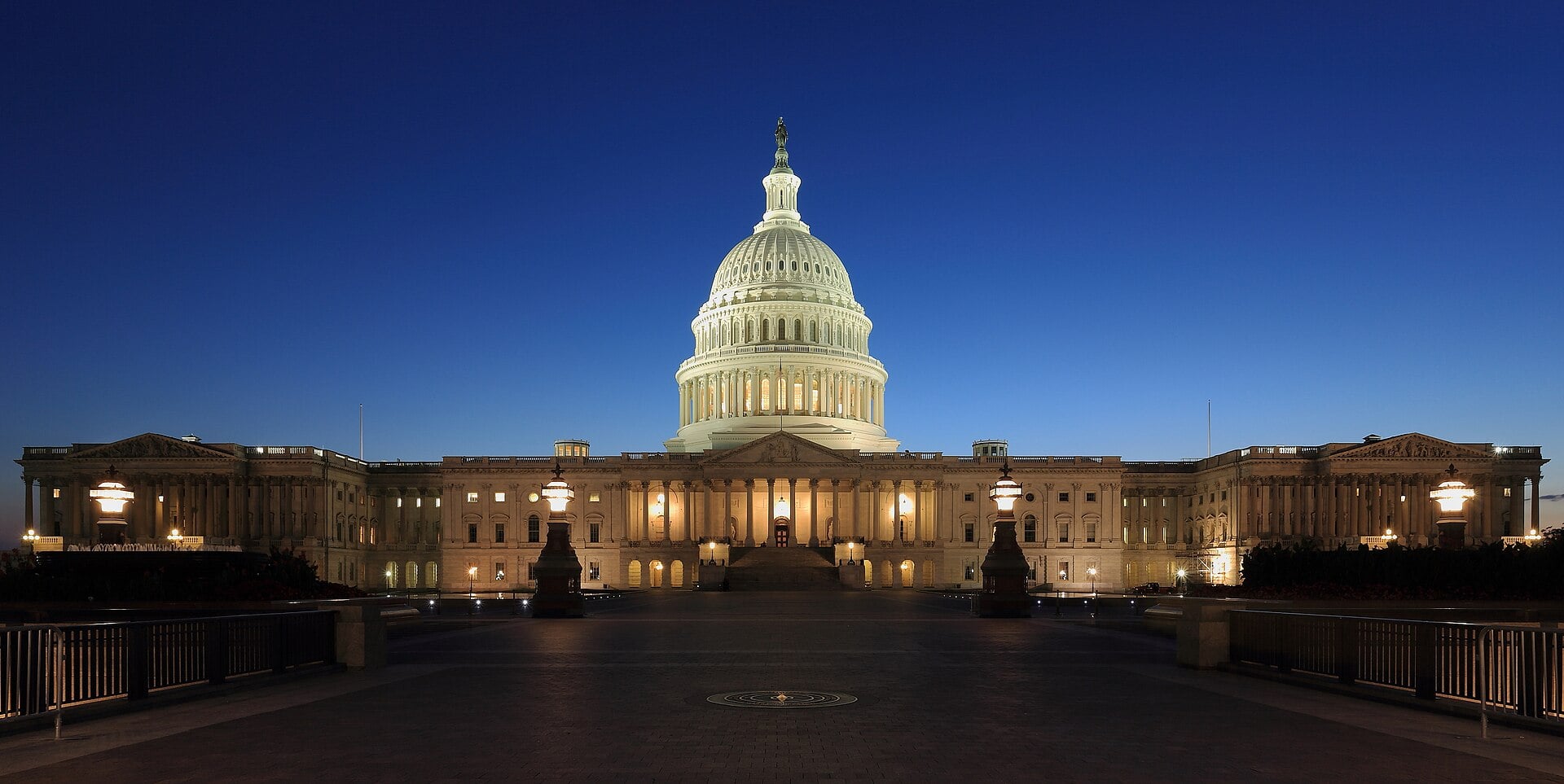
North America’s temper on Monday is one of institutional friction in the United States and defensive economic diplomacy in Canada. A federal judge has ordered the Trump administration to halt taxpayer-funded advertisements featuring the president, while Republican candidates turn to sports figures to energise voters before the midterms. In Canada, Conservative Leader Pierre Poilievre is preparing a Detroit trip to sell a tariff-free auto pact, and Ontario is absorbing new details about a hate-motivated synagogue attack.
The register is combative and transactional. Axios reported on 12 October 2026 that the White House said President Donald Trump would pay for the advertisements himself but had no plan to reimburse the government for millions already spent. CBC News reported the same day that Poilievre’s office framed the Detroit visit as an effort to persuade US business leaders to support removing tariffs affecting Canadian manufacturing.
The through-line is pressure on the systems that are supposed to provide security—courts and elections in the United States, trade and public safety in Canada. Both governments are being tested by questions of legitimacy and capacity weeks before an American election and amid a Canadian referendum season.
Key Facts
—Trump advertising. US District Judge Jennifer Rochon ordered a halt to taxpayer-funded Trump advertisements on 11 October 2026.
—Auto pact. Pierre Poilievre will visit Detroit on 13 October 2026 to promote a tariff-free auto agreement.
—Synagogue attack. Three firearms used in the 20 September 2026 Belleville attack were traced to the United States.
—Energy ceasefire. President Trump said on 14 September 2026 that Russia and Ukraine had agreed to stop attacks on energy facilities.
—Alberta referendum. CTV News reported concern on 12 October 2026 that low turnout could strengthen the separatist movement.
Washington: Courts Push Back On Political Advertising
The federal judiciary has inserted itself directly into the pre-election contest over government communication. Axios reported on 12 October 2026 that US District Judge Jennifer Rochon ordered the Trump administration to halt taxpayer-funded advertisements featuring President Donald Trump on Sunday, 11 October. The case brought by Common Cause and Democracy Forward alleges the administration exceeded congressional authorisation and violated federal publicity-and-propaganda restrictions.
The White House response has been defiant rather than conciliatory. Axios reported that the administration said Trump would pay for the advertisements himself but had no plan to reimburse the government for millions of dollars already spent. A further hearing is scheduled for Tuesday, 13 October 2026, meaning the dispute will remain live through the week.
For a US reader, the case matters because it tests whether state communication machinery can be used for political mobilisation without consequence. The court’s intervention suggests that at least one federal judge sees the advertisements as a misuse of public funds. The political risk for the administration is that the ruling reinforces a narrative of institutional overreach in the final stretch before the midterms.
Ottawa: Tariff Anxiety Drives A Detroit Pitch
Canada’s trade anxiety is being expressed through an industrial-renewal pitch rather than conventional diplomacy. CBC News reported on 12 October 2026 that Conservative Leader Pierre Poilievre will travel to Detroit on Tuesday, 13 October, to meet US business leaders and promote a proposed “Tariff-Free Auto Pact”. The plan seeks a duty-free automotive agreement and aims to restore Canadian auto production to two million vehicles annually over the next decade.
The initiative is framed around economic security and manufacturing revival. CBC News said tariffs were affecting Canadian automotive, steel, aluminium and forestry sectors, and reported that Stellantis had linked them to recent layoffs. Poilievre’s office described the trip as an effort to persuade US executives to support removing tariffs affecting Canadian manufacturing.
For a US reader, the Detroit visit signals that Canadian political leaders are seeking direct access to American business constituencies rather than relying on Washington negotiations. The two-million-vehicle target is ambitious and would require a significant reversal of current trade friction. The trip also positions Poilievre as the most visible Canadian voice on cross-border economic policy ahead of a likely federal election.
Ontario: A Hate Crime And American Firearms
New reporting on the Belleville synagogue attack has sharpened the connection between Canadian public safety and American firearms trafficking. The Globe and Mail reported on 12 October 2026 that the former Canadian Armed Forces corporal identified as Sean Ward did not hold a firearms licence when he attacked the Sons of Jacob Synagogue on Sunday, 20 September 2026. The report said three of the firearms used were traced to the United States.
The attack occurred while worshippers were inside for Yom Kippur, and investigators have described it as hate-motivated. Ward died after exchanging gunfire with police outside the synagogue, and Ontario’s Special Investigations Unit is continuing its investigation because police actions involved a death and firearm discharge. The Globe and Mail cited an unnamed police source with direct knowledge of the investigation.
For a US reader, the firearms trace is the most consequential detail. It links a Canadian hate crime to the cross-border flow of illegal weapons, a recurring irritant in bilateral security relations. The case is likely to intensify Canadian demands for stronger American cooperation on gun trafficking, even as Ottawa seeks trade relief from Washington.
Alberta: Turnout Fears Shape The Referendum
Alberta’s separatist debate is now shadowed by concern that low participation could distort the political signal. CTV News reported on 12 October 2026 that there is worry low turnout in the province’s forthcoming fall referendum could strengthen the separatist movement.
The unease reflects a broader anxiety about democratic legitimacy in moments of constitutional stress. If only a motivated minority votes, the result may be read as a stronger mandate for separation than the broader population intends. That dynamic is familiar from other referendums where participation thresholds became central to the interpretation of results.
For a US reader, the Alberta referendum matters because it tests the resilience of Canadian federalism at a moment when Washington is already pressing Ottawa on trade and security. A strong separatist showing, even on low turnout, would embolden provincial governments to demand more autonomy in energy, immigration and fiscal policy. That could complicate cross-border coordination on everything from pipelines to defence procurement.
What This Means From Latin America
Canada’s trade anxiety has indirect but real implications for Latin American exporters. A Canadian government consumed by tariff disputes with the United States and internal constitutional pressures will have less bandwidth for trade diversification and multilateral engagement. Latin American suppliers watching Canada’s manufacturing weakness should note that a slowing Canadian economy may reduce demand for imported goods and services.
The US inflation trajectory is the more immediate concern for Latin America. If the 14 October CPI release confirms a rise to 3.7 per cent, the Federal Reserve may delay rate cuts, keeping the dollar strong and borrowing costs high for Latin American governments and companies. The political use of state communication machinery in Washington also suggests that protectionist trade policy will remain a live risk through the midterm season.
What We Are Watching
- Tuesday 13 October, Lisbon time: Federal-court hearing on Trump advertising — The hearing follows Judge Rochon’s 11 October order halting taxpayer-funded advertisements; it will test whether the administration complies or appeals.
- Tuesday 13 October, Lisbon time: Pierre Poilievre’s Detroit visit — The Conservative leader will meet US business leaders on the proposed Tariff-Free Auto Pact; the reception will signal American appetite for sectoral trade relief.
- Wednesday 14 October, 13:30 Lisbon: US inflation rate — September forecast at 3.7 per cent against 3.4 per cent in August; the first hard read on whether tariff costs are feeding through to consumer prices.
- Wednesday 14 October, 13:30 Lisbon: US core inflation rate — September forecast at 2.5 per cent against 2.4 per cent; a cleaner measure of underlying price pressure excluding food and energy.
- Thursday 15 October, 13:30 Lisbon: US retail sales — September forecast at 0.3 per cent against 1.4 per cent in August; a test of whether consumer spending is holding up amid rising prices.
- Monday 19 October, 13:30 Lisbon: Canada inflation rate — September forecast at 3.2 per cent against 3.0 per cent in August; the data will shape the Bank of Canada’s next rate decision.
Background: USMCA 2026 Trade Pact Guide.
Background: Oil and Energy in Latin America 2026: A Guide.
Frequently Asked Questions
Why did a US judge halt Trump administration advertisements?
US District Judge Jennifer Rochon ordered the halt on 11 October 2026 after Common Cause and Democracy Forward alleged the administration exceeded congressional authorisation and violated publicity-and-propaganda restrictions. Axios reported on 12 October 2026 that the White House said Trump would pay for the advertisements himself but had no plan to reimburse the government for millions already spent.
What is Pierre Poilievre’s Tariff-Free Auto Pact?
The Conservative Leader announced on 12 October 2026 that he would travel to Detroit on 13 October to promote a duty-free automotive agreement with the United States. CBC News reported the plan aims to restore Canadian auto production to two million vehicles annually over the next decade.
What new details emerged about the Belleville synagogue attack?
The Globe and Mail reported on 12 October 2026 that the attacker, identified as Sean Ward, did not hold a firearms licence and that three firearms used were traced to the United States. The attack occurred on 20 September 2026 while worshippers were inside for Yom Kippur, and investigators have described it as hate-motivated.
What did President Trump say about an energy ceasefire?
President Trump said on 14 September 2026 that Russia and Ukraine had agreed to stop attacks on energy facilities. Ukrainian President Volodymyr Zelensky told Axios the announcement was news to him but that Ukraine would agree if Russia did, while Russian agreement remained unclear.
This article was produced by The Rio Times’ automated newsroom system. How we use AI · Report an error · Editorial responsibility: Matthias Camenzind, Editor-in-Chief