Third-Country Deportations Can Resume as US Supreme Court Pauses Ruling
UNITED STATES · MIGRATION
Key Facts
- —What happened On 29 September 2026 the US Supreme Court paused a Boston court ruling that had blocked quick third-country deportations.
- —The vote Justices Sonia Sotomayor, Elena Kagan and Ketanji Brown Jackson said they would have refused the government’s request.
- —The scale More than 25,000 migrants have been sent to 29 countries not their own, most to Mexico, Antigua Newsroom and El Nacional reported on 29 September.
- —Who it affects The four named plaintiffs come from Cuba, Honduras, Ecuador and Guatemala, according to their lawyers’ court filing of 28 September.
- —What comes next The court will hear the full case in its December 2026 session; the pause lasts until it rules.
The US Supreme Court has let third-country deportations resume while it decides, in December, whether the policy is lawful.
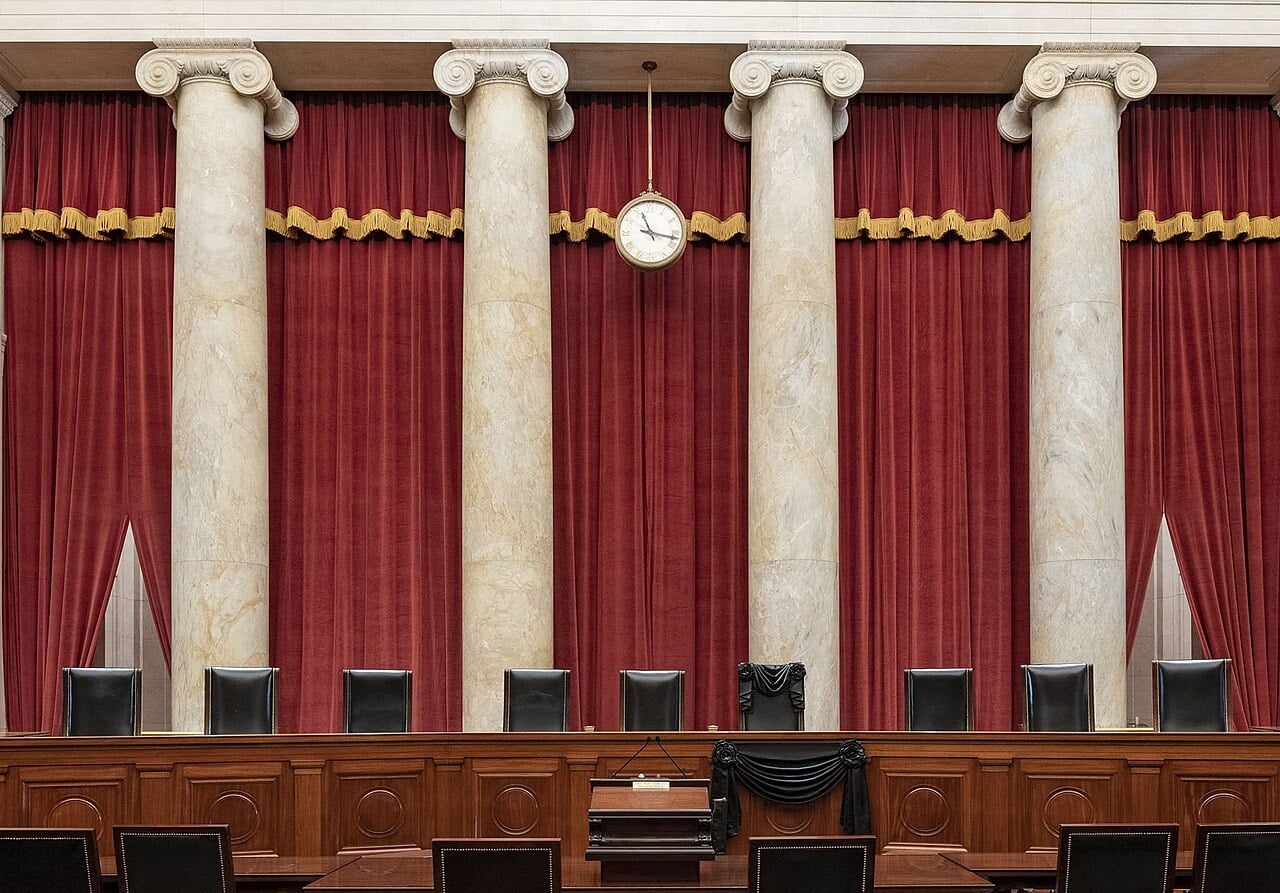
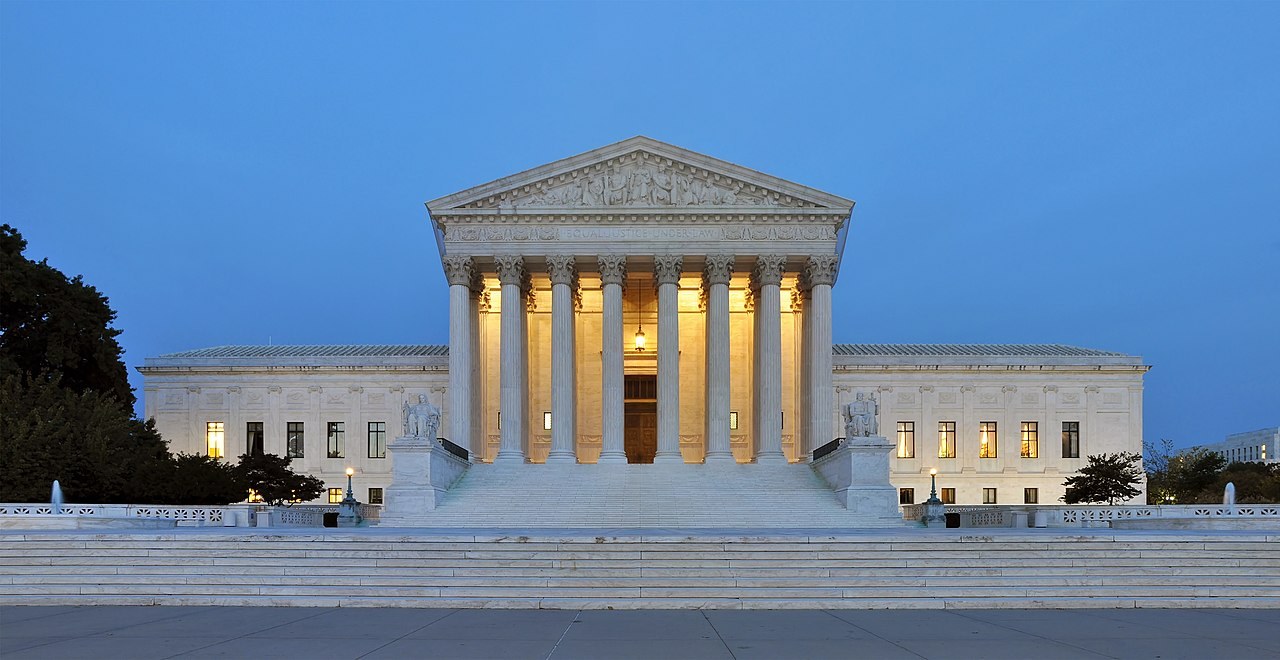
The US Supreme Court on 29 September 2026 let the Trump administration resume third-country deportations to nations where migrants have no ties. The order pauses a Massachusetts federal court ruling while the justices hear the full case in December.
What the Supreme Court decided
The court granted an emergency request from the Justice Department, filed on 24 September. It paused a 25 February 2026 judgment by US District Judge Brian Murphy in Boston.
The justices also agreed to take the case itself, now numbered 26-426. They will decide whether the lower court had jurisdiction and whether the policy breaks federal law or the Constitution.
The order gives no reasons, as is usual for emergency orders. Justices Sotomayor, Kagan and Jackson, the court’s three liberal members, said they would have denied the request.
The pause ends when the court issues its final judgment. It is an interim step, not a ruling on whether the policy is legal.
How the case reached this point
A third-country deportation sends a person with a final removal order to a country other than their own. Washington uses it when home governments refuse returns or cannot legally receive them.
The Department of Homeland Security (DHS) set out its rules in March 2025. If a country gives diplomatic assurances against torture, people can be removed promptly; otherwise they get notice and a chance to object.
Judge Murphy ruled that the policy denied migrants fair notice and a real chance to claim fear of persecution. The US Court of Appeals for the First Circuit upheld him on 18 September, as we reported at the time.
The Supreme Court had already paused an earlier order in the same case in June 2025. This is the second time it has sided with the government here.

The government’s case
Solicitor General D. John Sauer called third-country removals “an essential tool to remove certain aliens, including some of the worst criminal aliens”. He said their home countries often refuse to take them back.
His filing said DHS had to cancel a flight to three countries carrying 70 people with criminal convictions. It also said 1,432 convicted criminals were awaiting third-country removal.
The migrants’ case
Lawyers for the migrants say the ruling never banned third-country removals. It required notice of the destination and a chance to seek protection first, they told the court.
Their filing describes a Guatemalan plaintiff deported to Mexico two days after a judge barred his removal to Guatemala. Mexican authorities then sent him to Guatemala, where he went into hiding.
The filing also recalls migrants flown to El Salvador in March and April 2025 and held in its CECOT mega-prison. CECOT, the Terrorism Confinement Centre, is a maximum-security jail built for gang members.
Why it matters for Latin America
More than 25,000 people have been sent to 29 countries, Antigua Newsroom and El Nacional reported. Mexico received most; others went to South Sudan, Uganda, Equatorial Guinea, Liberia and the Central African Republic.
The Brazilian weekly Veja reported that Paola Santos, 21, from Caratinga in Minas Gerais, was deported to Liberia. Another Brazilian was sent to Equatorial Guinea.
Cubans are among the most exposed: more than 42,000 hold final deportation orders, Periódico Cubano reported, citing The Guardian. Their detentions rose 463% between late 2024 and early 2026.
Back home, Cubans face bank cash shortages and long power cuts. Elsewhere in the Caribbean, the Dominican Republic has warned citizens about job offers in Russia that can end at the front.
The warnings and the limits
On 28 September, twenty United Nations experts warned of rising risks of torture, ill-treatment and enforced disappearance under such deals, Veja reported. They urged all governments involved to stop them.
The government’s rules still bar removal to a country where a person faces persecution or torture. What remains in dispute is how much notice and review migrants must get before the flight.
The United States has transfer agreements with more than 30 countries, Efecto Cocuyo reported. Which countries will receive the next flights has not been announced.
Ecuador is one of them. In July 2025 it agreed by diplomatic notes to receive third-country nationals, a DHS notice in the Federal Register shows.
What comes next
The justices will hear arguments in the December 2026 session. The court has not said when it will rule.
Until then, DHS can deport people under its own, shorter notice rules. The final ruling will decide how much time migrants get to object before a flight.
More: Latin America news, every day from The Rio Times.
Frequently Asked Questions
Did the US Supreme Court rule that third-country deportations are legal?
No. On 29 September 2026 it only paused a lower-court judgment while it hears the case. Arguments are set for the December 2026 session, and the pause ends with the final ruling.
Who can be sent to a third country?
People with a final US removal order whose home country will not take them back or cannot receive them. US law still bars removal to a country where the person would likely face persecution or torture.
Which countries receive third-country deportees?
Mexico has received the most, according to Antigua Newsroom and El Nacional. Others include South Sudan, Uganda, Equatorial Guinea, Liberia and the Central African Republic, out of 29 countries in total.
Sources: Supreme Court of the United States – Order List, 29 September 2026 · Supreme Court of the United States – Government stay application, No. 26A406 · Supreme Court of the United States – Respondents’ opposition, No. 26A406 · Antigua Newsroom · Veja · Jamaica Observer · El Nacional · Efecto Cocuyo · Periódico Cubano · US Department of Homeland Security – Federal Register notice on the US–Ecuador agreement, 17 November 2025
This article was produced by The Rio Times’ automated newsroom system. How we use AI · Report an error
Read More from The Rio Times