Why 9,000 US Troops Still Hold the Mexico Border
Key Facts
—The force. About 8,700 active-duty US troops serve under Joint Task Force-Southern Border, per US Northern Command.
—The cost. The deployment runs at tens of millions of dollars a week, even with crossings at historic lows.
—The command. The task force was set up in March 2025 under US Northern Command and is based at Fort Huachuca, Arizona.
—The cooperation. US and Mexican forces have run mirrored patrols on both sides of the line, including counter-drone laser use.
—The budget strain. Lawmakers cite a near two-billion-dollar Army shortfall linked to unreimbursed border support.
—The risk. Northern Command’s chief told Congress cartels have increased harassment of US troops along the border.
The US Mexico border mission has no end date in sight, with thousands of troops still deployed at a cost of tens of millions of dollars a week, long after illegal crossings collapsed.
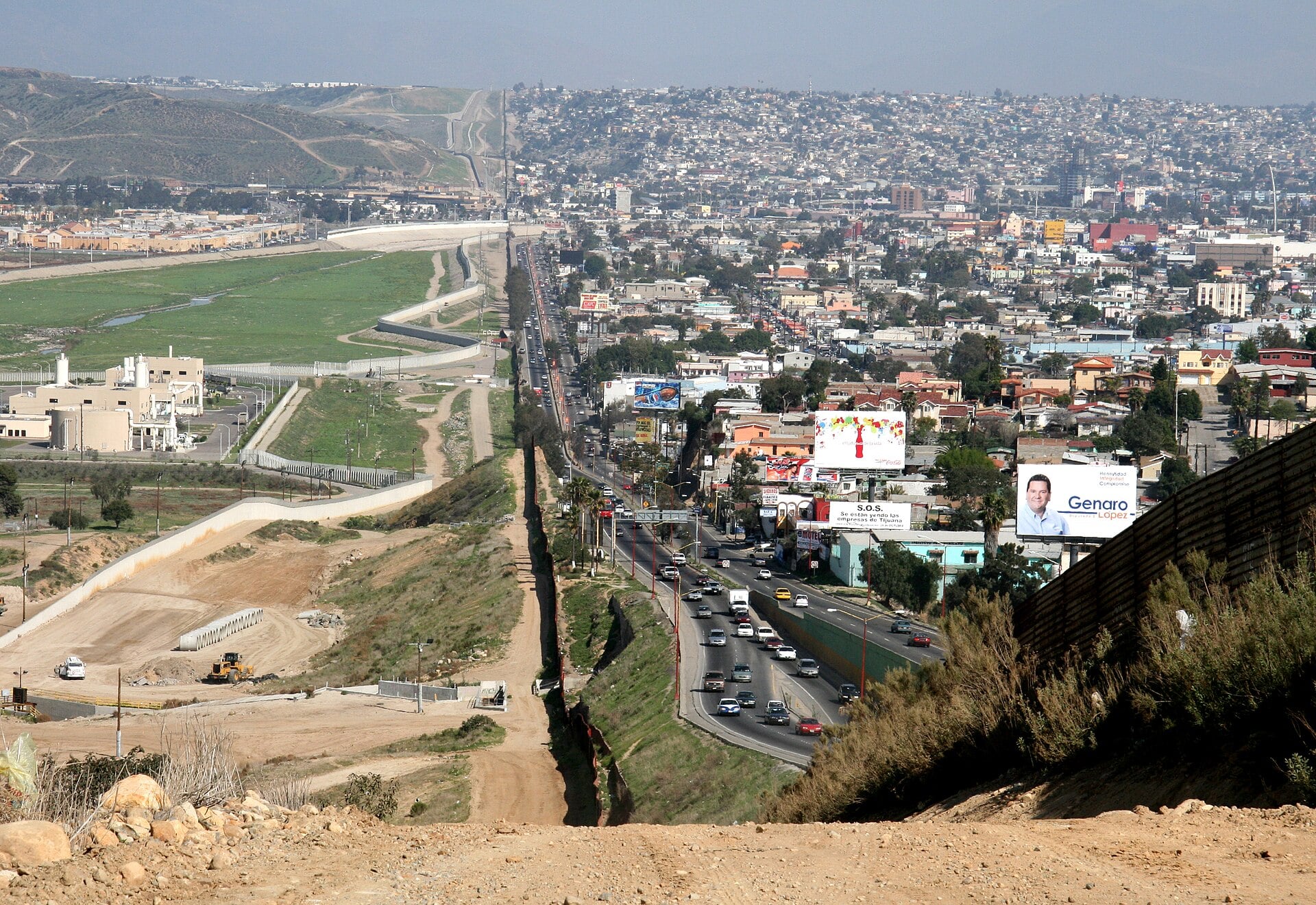
The troops remain because Washington now treats its southern frontier as a lasting security priority rather than a short-term emergency. Illegal crossings have fallen to historic lows, yet the force has not been sent home.
More than a year after the US military surged onto the border with Mexico, what began as a crisis response has hardened into a standing deployment with no clear finish line. The puzzle is that the stated goal has already been met.
For a reader abroad, the deployment is a useful window into where US attention now sits. After decades focused on wars overseas, Washington has turned a large share of its military gaze toward its own hemisphere.
What the US Mexico border mission involves
The effort runs under a dedicated military command, Joint Task Force-Southern Border, set up in early 2025 under US Northern Command. Around 8,700 active-duty troops are serving in the region, by the command’s own count.
Their job is support, not frontline arrests. They run surveillance, monitoring and detection, freeing border agents for law-enforcement work that troops are barred from doing.
The mission has also become a testing ground for technology. The military has trialled counter-drone gear, remotely guided boats and advanced sensors against the smuggling networks it watches.
One detail stands out for the region. US and Mexican soldiers have run coordinated patrols on both sides of the line, and officials say they have used high-energy lasers to knock down cartel drones.
That cross-border cooperation is striking given the politics. Mexico has flatly rejected any foreign troops on its soil, so joint patrols sit inside a narrow, carefully managed space.
The cost and the open question
The bill is the part drawing scrutiny. The deployment costs tens of millions of dollars a week, a heavy outlay for a mission whose headline goal is already achieved.
Lawmakers have begun to push back. A senior senator has warned that the border task is draining money from training, citing a near two-billion-dollar Army shortfall tied to unreimbursed border support.
There is also a rising risk to the troops themselves. In testimony to the Senate Armed Services Committee, the head of Northern Command warned that cartels have stepped up harassment of US personnel and could choose to threaten them directly.
The Rio Times reads the open-ended mission as a strategic signal. Washington is treating its southern frontier less as a temporary emergency and more as a permanent security theatre.
That shift matters well beyond the desert. The same focus that keeps troops on the border underpins US naval strikes in the Caribbean and pressure on cartels recast as foreign terrorist groups.
For investors with cross-border exposure, the backdrop is worth tracking. A militarised frontier and a terrorism label for cartels can ripple into shipping, trade finance and compliance for firms operating across the two economies.
The mission has also leaned hard on physical barriers. The task force describes the largest barrier reinforcement in US history, stringing tens of thousands of rolls of razor wire along the frontier.
Leadership of the force keeps rotating through the army’s top units. Command has passed from the 10th Mountain Division to the 101st Airborne and, most recently, to the 1st Armored Division, a sign the deployment is being treated as a long-term posting.
The forward question is when, or whether, the mission winds down. With crossings already low and a terrorism framing in place, the political cost of declaring the job finished may be higher than the price of staying.
More: Mexico news in English, every day from The Rio Times.
Frequently Asked Questions
What is the US Mexico border mission?
It is a US military deployment that supports border agents along the frontier with Mexico, run by a command called Joint Task Force-Southern Border under US Northern Command. About 8,700 active-duty troops handle surveillance and detection rather than law-enforcement arrests.
Why are troops still there if crossings have fallen?
Illegal crossings have dropped to historic lows, yet the mission continues with no announced end date. The deployment reflects a broader shift in which Washington treats its southern frontier as a lasting security priority rather than a short-term emergency.
Why does it matter for business in the region?
A militarised border, combined with the labelling of cartels as foreign terrorist organisations, can affect shipping, trade finance and compliance for firms with cross-border operations. It also signals heightened US security focus across Latin America.
Connected Coverage
• Cooperation or Coercion: The New US–Mexico Front Over Cartels
• How Narco Drones Turn Mexico’s Cartels Into a Low-Cost Air Force
This article was produced by The Rio Times’ automated newsroom system. How we use AI · Report an error · Editorial responsibility: Matthias Camenzind, Editor-in-Chief
In depth
Read More from The Rio Times