US Long-Term Yields Hit 2002 High as Chile’s Peso Falls to 13-Month Low
CHILE · MARKETS
Key Facts
- —The US move The 30-year US Treasury yield closed at 5.59% on 29 September 2026, up from 5.56% a day earlier, US Treasury data show.
- —How rare In afternoon New York trading the 30-year touched 5.61%, its highest since June 2002, the Financial Times reported via DF.
- —The Chile effect Chile’s peso closed at 973.4 per dollar on 29 September, its weakest level since 2 September 2025, DF reported.
- —The drivers Oil-driven inflation, a Federal Reserve rate rise in September and US public debt above US$40 trillion, according to the FT.
- —A forecast Banco Santander Chile expects the peso to strengthen gradually towards 910 per dollar by the end of 2026, if geopolitical tensions ease.
US long-term yields climbed to levels last seen in 2002, and the pull reached Chile. The peso there ended Tuesday at its weakest level in 13 months.
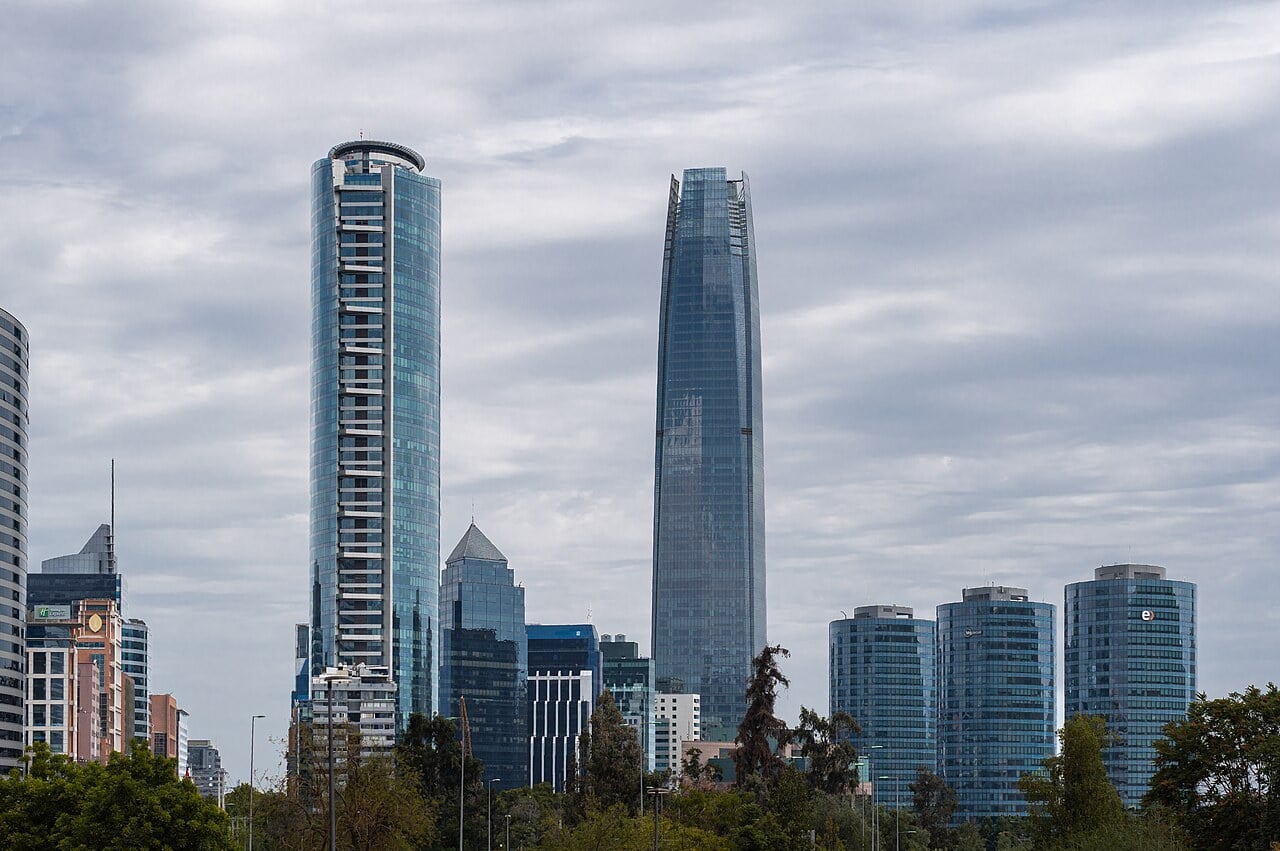
US long-term borrowing costs rose to their highest level in almost a quarter of a century on Tuesday 29 September 2026. The 30-year Treasury yield closed at 5.59%, US Treasury data show, and Chile’s peso fell to a 13-month low.
What moved in the US bond market
A Treasury yield is the annual return investors earn for lending to the US government. It rises when bond prices fall, so a higher yield means investors are selling.
The 30-year yield touched 5.61% in afternoon New York trading, its highest since June 2002. The Financial Times reported the figure in an article carried by DF, the Chilean business daily.
The official Treasury close was 5.59%, up from 5.56% on Monday.
The 10-year yield, the main benchmark for world borrowing costs, closed at 5.26%, matching its June 2007 peak. Monday’s close of 5.24% was already a 2007 high, as we reported.
The move has been fast. The 30-year yield stood at 5.29% on 21 September, Treasury data show, so it rose 0.3 percentage points in six sessions.
Why investors want more to lend for longer
The FT pointed to three forces: oil above US$100 a barrel for much of September, strong US data and public debt. US government debt passed US$40 trillion in August, the paper reported.
The Federal Reserve, the US central bank, raised rates in September for the first time since 2023. Futures markets now price four more quarter-point rises over the next year, the FT said.
Arun Sai of Pictet Asset Management expects the term premium, the extra return investors demand to hold long-term debt, to keep rising. “Investors are in no hurry to add duration,” he said, meaning to buy longer-dated bonds.
Kristina Hooper, chief market strategist at Man Group, said US bonds would lose appeal for foreign buyers. She cited the country’s fiscal path and the unpredictability of its foreign policy.
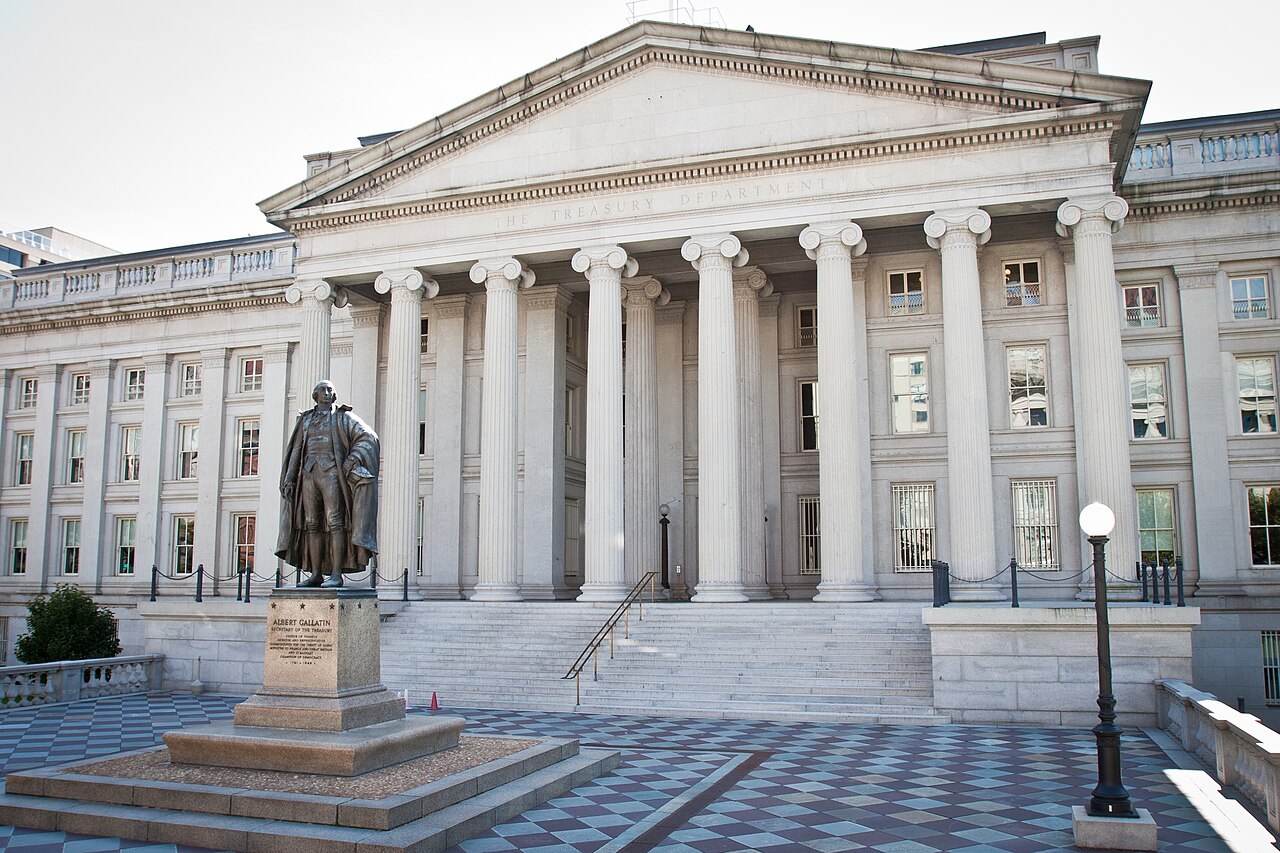
What is holding the other side
Not everything pointed up. Short-term yields fell on Tuesday, and the two-year yield eased to 4.89% from 4.92%, Treasury data show.
US data softened too. The Conference Board’s consumer confidence index hit its lowest since 2014, and job openings missed forecasts, DF reported.
Stocks have stayed calm. The S&P 500 index fell 0.3% on Tuesday and sits only 2% below its August record, according to the FT.
How the pressure reached Chile
The dollar rose 4.2 pesos to close at 973.4, its highest since 2 September 2025, according to Bloomberg quotes compiled by DF. At DF’s afternoon report, only Brazil’s real, Peru’s sol and Colombia’s peso had done worse among emerging currencies.
Felipe Alarcón, chief economist at the Chilean brokerage EuroAmerica, linked the bond selling to uncertainty in the Middle East. He added inflation fears, a possibly overheating US economy and heavy borrowing to fund artificial intelligence projects.
Copper, Chile’s main export, edged up in London after workers approved a strike at the Centinela mine. That gave the peso little support on the day.
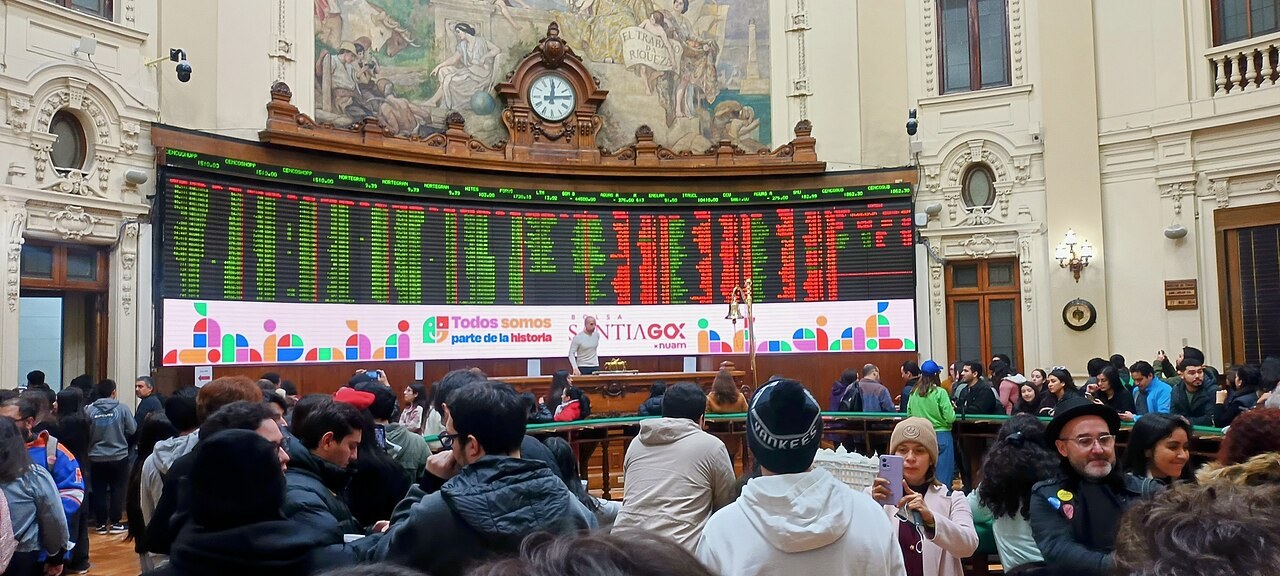
Three channels into daily life
DF set out the transmission in a mid-September report, starting with local interest rates. “If the long nominal rate rises abroad, it rises at home,” former finance minister Ignacio Briones told DF.
Briones said that makes long-term credit dearer for companies and families, including mortgages. Marco Gallardo of BICE Inversiones said rates in pesos follow the US more closely than those in UF, Chile’s inflation-indexed unit.
The second channel is the exchange rate, which tracks the gap between US and Chilean rates, said Manuel Bengolea of Octogone Chile. The third is prices, as a weaker peso makes imports and fuel dearer.
What it means for expats and investors
People paid in dollars or euros now receive more pesos for each transfer. Those who earn in pesos face dearer imports, and borrowers may see mortgage offers rise if local long rates follow the US.
The weaker peso also helps exporters, Briones noted, so the effect is a shift in who gains, not only a loss.
Banco Santander Chile expects the peso to strengthen gradually towards 910 per dollar by the end of 2026. The bank ties that forecast to calmer geopolitics and to the US-Chile interest-rate gap.
What comes next
An expanded buyback of long bonds, announced in mid-August by Treasury Secretary Scott Bessent, has not stopped the rise, the FT said.
Investors are also watching US-Iran contacts through Qatari mediators on reopening the Strait of Hormuz, DF reported.
Yields have risen and fallen in long cycles before. The present climb has lasted weeks, and its end will depend on oil, inflation and the US budget.
More: Markets news, every day from The Rio Times.
Frequently Asked Questions
Why are US long-term yields rising?
The Financial Times, in a report published by DF, cites oil-driven inflation, strong US data and US public debt above US$40 trillion. The Federal Reserve also raised rates in September for the first time since 2023.
How do US bond yields affect Chile?
Higher US yields tend to lift long-term interest rates in Chile, including mortgages, and to weaken the peso. A weaker peso makes imported goods and fuel dearer but helps exporters.
Where is the Chilean peso against the dollar?
The peso closed at 973.4 per dollar on 29 September 2026, its weakest level since 2 September 2025, DF reported. Banco Santander Chile forecasts a gradual move towards 910 by the end of the year.
Sources: DF (Diario Financiero) / Financial Times · DF (Diario Financiero) — Chilean peso close · DF (Diario Financiero) — transmission to Chile · US Department of the Treasury — daily par yield curve
This article was produced by The Rio Times’ automated newsroom system. How we use AI · Report an error
In depth
Read More from The Rio Times