Plug-In Cars Overtake Hybrids in South Africa as Electrified Sales Near 4.4 Percent
SOUTH AFRICA · MOTORING
Key Facts
- —What happened South Africa sold 16,289 new energy vehicles in the first seven months of 2026, up 88 percent.
- —The share That is 4.4 percent of all new vehicle sales in the country.
- —The first In July plug-in vehicles accounted for 54.4 percent of new energy sales, overtaking conventional hybrids.
- —The August month New energy vehicle sales reached 3,096 units in August 2026.
- —The split Of the year to date, 8,078 were hybrids, 5,851 plug-in hybrids and 2,360 battery electric.
- —The incentive A 150 percent production tax deduction for electric and hydrogen vehicles took effect on 1 March 2026.
Eighty-eight percent growth, a first for plug-ins over hybrids, and still under five percent of the market.
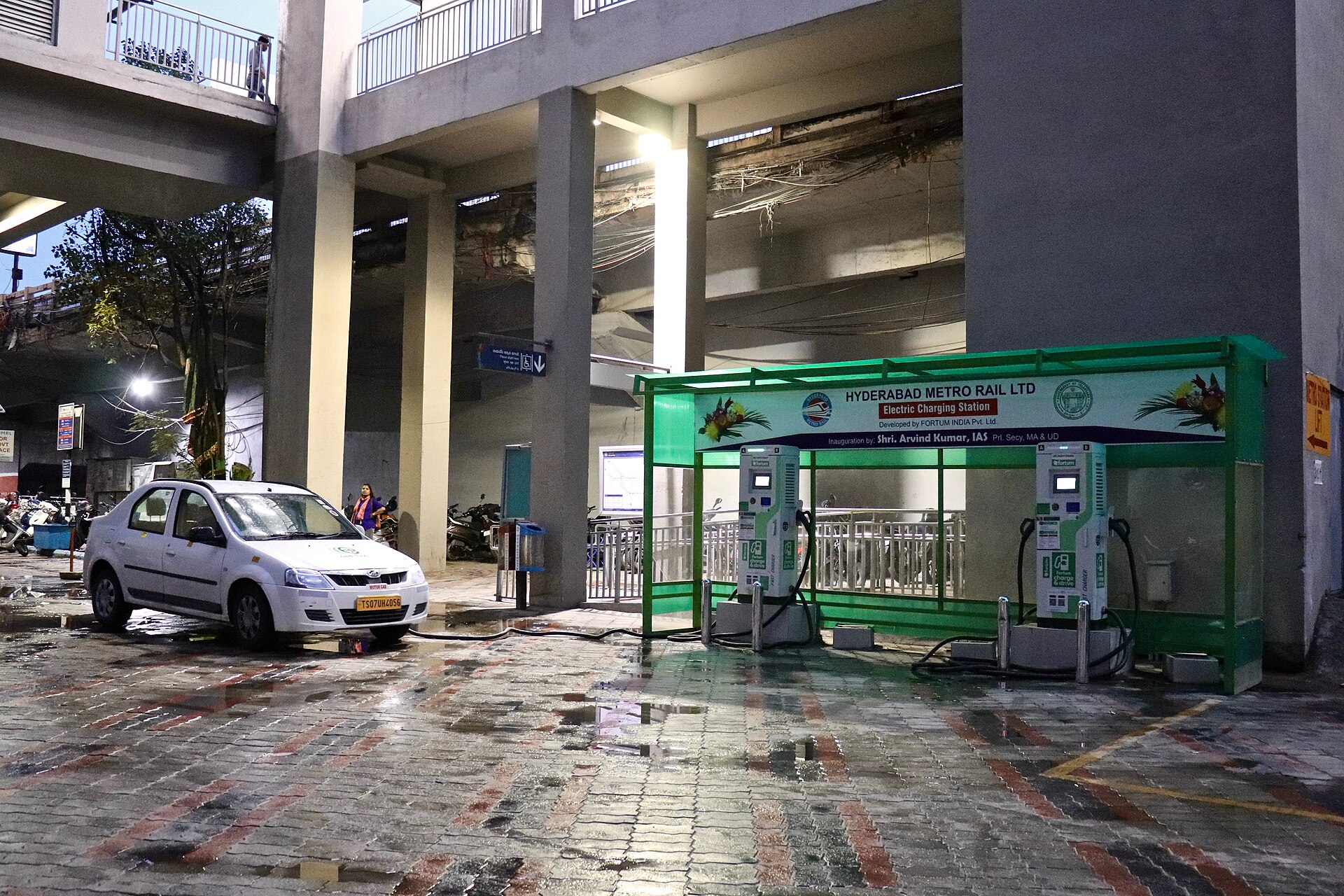
South Africa sold 16,289 new energy vehicles in the first seven months of 2026. That is 88 percent more than in the same period last year, and 4.4 percent of all new vehicle sales.
What the Figures Show
South Africa’s new energy vehicle sales reached 16,289 units in the first seven months of 2026. That is 88 percent more than the same period a year earlier.
New energy vehicles now account for 4.4 percent of all new vehicle sales. In August alone the segment sold 3,096 units.
What Counts as a New Energy Vehicle
The category covers three things. Conventional hybrids recover their own energy and never plug in.
Plug-in hybrids charge from the grid and also carry an engine. Battery electric vehicles have no engine at all.
Of the year to date, 8,078 were conventional hybrids, 5,851 were plug-in hybrids and 2,360 were battery electric. The three behave very differently as consumer products.
The Month That Marked a Turn
In July 2026 plug-in vehicles accounted for 54.4 percent of new energy sales. It was the first month in which they overtook conventional hybrids.
That matters because a plug-in customer needs charging infrastructure and a conventional hybrid customer does not. The crossover point is where charging stops being optional.
Where the First Half Sat
In the first six months of the year the segment sold 13,193 units, or 4.1 percent of new vehicle sales. Hybrids were 6,667 of those, plug-in hybrids 4,623 and battery electric 1,903.
The half-year figures are the ones most widely quoted. The seven-month figures are the current picture.
The Tax Change Behind It
A 150 percent production tax deduction for electric and hydrogen vehicle manufacturing took effect on 1 March 2026. It applies to qualifying assets brought into use on or before 28 February 2036.
The measure is aimed at production rather than at buyers. South Africa builds vehicles for export as well as for its own market.
Who Is Entering the Market
Toyota is bringing three electric models to South Africa during 2026. The company is the largest seller of vehicles in the country.
A mass-market manufacturer entering the segment changes its economics. Volume brings service networks and parts availability that early entrants could not support.
What Still Holds the Market Back
Battery electric vehicles remain the smallest of the three categories. South Africa’s electricity supply has been unreliable for years, which affects confidence in home charging.
Price is the other constraint. Electric models sit above the mass market in a country where most new vehicles are bought on credit.
What It Means for a Buyer
For someone doing short urban trips with off-street parking, a plug-in hybrid now has a visible resale market in South Africa. That was not true two years ago.
For anyone without reliable home charging, a conventional hybrid still removes the infrastructure question entirely. The July crossover does not change that calculation.
What Is Not Yet Known
Full-year figures will not be available until early 2027. No official projection has been published.
Nor is there public data on how many of these vehicles are corporate rather than private purchases. That split would say a great deal about the market’s depth.
What to Watch
Whether the plug-in share holds above half in the months after July. A single month is not a trend.
Watch also for charging network announcements. Infrastructure is what determines whether the crossover sticks.
More: Africa news and analysis, every day from The Rio Times.
Frequently Asked Questions
How many new energy vehicles has South Africa sold?
16,289 in the first seven months of 2026, up 88 percent on a year earlier.
What share of the market is that?
About 4.4 percent of all new vehicle sales.
What happened in July?
Plug-in vehicles accounted for 54.4 percent of new energy sales, overtaking conventional hybrids for the first time.
How do the categories split?
Year to date: 8,078 conventional hybrids, 5,851 plug-in hybrids and 2,360 battery electric vehicles.
What incentive applies?
A 150 percent production tax deduction for electric and hydrogen vehicles, effective 1 March 2026.
Is a major manufacturer entering?
Toyota is bringing three electric models to South Africa during 2026.
Sources: National Association of Automobile Manufacturers of South Africa monthly data for July and August 2026; South African tax legislation effective 1 March 2026.
This article was produced by The Rio Times’ automated newsroom system. How we use AI · Report an error
LatAm Markets: Live Signals → — real-time movers, turnover leaders and FX across Latin America.
Read More from The Rio Times