U.S. Puts Venezuela’s Acting Leader On Notice: Cooperate Or Face Military Pressure
Key Points
- Rubio says the U.S. may use force again if Delcy Rodríguez fails to meet Washington’s terms.
- Oil access, trade redirection, and a staged political roadmap sit at the center of the U.S. approach.
- The plan faces legal, diplomatic, and legitimacy risks, even as it gains momentum online.
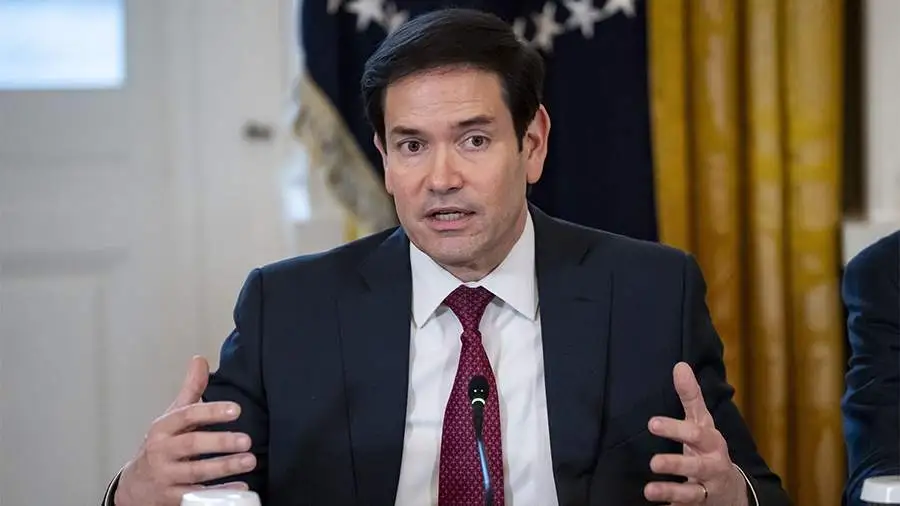
U.S. Secretary of State Marco Rubio will tell the Senate Foreign Relations Committee that Washington is prepared to use force again in Venezuela if it decides acting leader Delcy Rodríguez is not cooperating at the level the Trump administration expects.
In the draft remarks reported ahead of the hearing, Rubio frames cooperation as measurable and enforceable. He also signals he hopes pressure will not be needed, but keeps military action as an explicit option.
The warning follows a U.S. operation on January 3 that, according to published reporting, seized Nicolás Maduro and his wife, Cilia Flores, on U.S. drug-trafficking accusations.
Accounts differ on casualties and operational details, underscoring how contested the episode remains. Rubio is expected to describe the January 3 action as a law-enforcement operation rather than a war.
That framing matters at home, because it sits at the center of the administration’s argument that prior congressional authorization was not required.
Venezuela Oil Tied To U.S. Leverage
Critics, including Democrats and some Republicans, have questioned both the legal basis and the precedent. What Washington wants, Rubio indicates, is not vague alignment.
It is a specific package, starting with oil. Reporting ties Rodríguez’s commitments to opening Venezuela’s energy sector to U.S. companies, granting preferential access to production, and using oil revenue to purchase U.S. goods.
Another reported promise is to end oil support to Cuba and pursue national reconciliation with opposition forces and exiles. The plan’s architecture is staged.
U.S. officials describe three phases: stabilization, then economic recovery, then a transition ending in elections. Officials have acknowledged the timeline could stretch for years.
Oil also appears as leverage, not only a goal. Earlier reporting described U.S. control over seized Venezuelan oil, including up to 50 million barrels, with estimated proceeds of $1.8 to $3 billion routed through U.S.-managed mechanisms.
Diplomatically, the administration has notified Congress about steps that could lead to reopening the U.S. embassy in Caracas, closed since 2019.
Yet Reuters has reported U.S. intelligence doubts about how far Rodríguez will go, especially on foreign alignments. Online, clips and reposts on Instagram and Facebook have amplified Rubio’s warning.
TikTok-specific sourcing was less accessible through open viewing, but the same messaging is circulating across platforms. For markets and neighbors, the core question is simple.
Does Venezuela become an oil-and-governance project run on U.S. conditions, or a prolonged contest that keeps escalation on the table?
Related coverage: Brazil’s Morning Call | U.S. Taps Venezuelan Oil Revenues To Fund Police And Public This is part of The Rio Times’ daily coverage of Venezuela affairs and Latin American financial news.
More: Latin America news in English, every day from The Rio Times.
This article was produced by The Rio Times’ automated newsroom system. How we use AI · Report an error · Editorial responsibility: Matthias Camenzind, Editor-in-Chief