Petro Turns Back To Anti-Trump Rhetoric Days Before A High-Stakes White House Meeting
Key Points
- The U.S. granted Gustavo Petro a five-day entry permission for a February 3 meeting with Donald Trump.
- Hours later, Petro revived his harshest criticism of Trump and demanded Nicolás Maduro be sent back to Venezuela.
- The episode tests whether Colombia can keep talks focused on security, trade, and crime cooperation.
Colombia’s President Gustavo Petro is heading toward a make-or-break week with Washington, and he is doing it loudly.
U.S. authorities have granted Petro a short, temporary entry permission after his U.S. visa was revoked in 2025. The authorization was described as a five-day window linked to a planned meeting with President Donald Trump on Tuesday, February 3, 2026.
Within hours, Petro returned to the sharp anti-Trump rhetoric he had largely muted in recent weeks. Speaking at a public event tied to plans for reviving Bogotá’s Hospital San Juan de Dios, Petro said the United States should “return” Nicolás Maduro and let Venezuelan courts judge him.
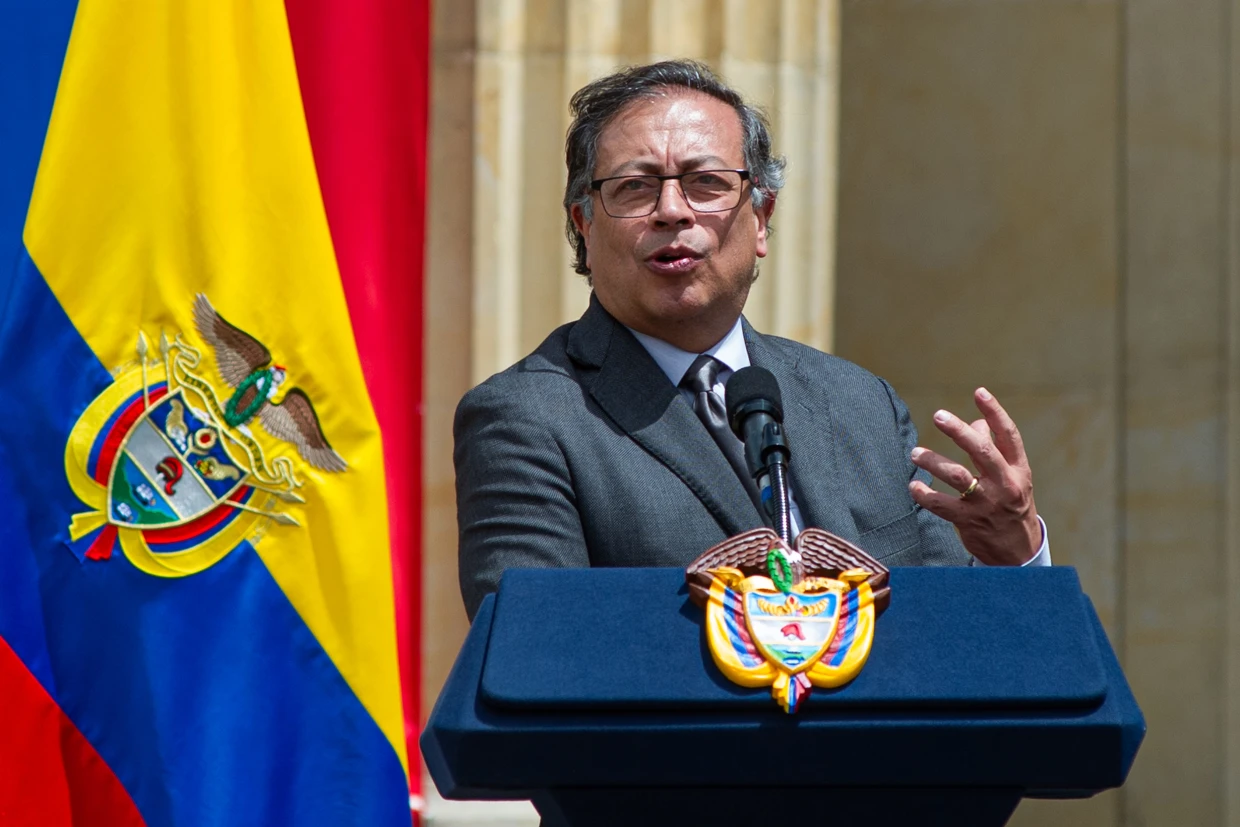
He went further, comparing U.S. action in Venezuela to the Nazi bombing of Gernika during Spain’s civil war. Petro also accused Trump of eroding international law “with missiles,” framing U.S. power as coercive and destabilizing.
The timing is not accidental. Venezuela is again the region’s highest-voltage issue, and Petro wants a seat at that table. Recent international reporting says Maduro was captured and moved to New York to face drug-related charges.
The same reporting describes U.S. signals of both pressure and diplomatic re-engagement, including steps toward restoring an embassy presence in Caracas.
Petro’s U.S. Tensions Stir Colombian Politics
Petro’s visa troubles help explain the political theater. In late September 2025, the Trump administration revoked his visa after a pro-Palestinian protest in New York.
Petro also publicly urged U.S. soldiers to disobey Trump, deepening the rupture. Since then, both sides have tried to cool things down.
A phone call on January 9 helped defuse a brewing dispute, according to recent coverage. Colombia’s foreign minister later met U.S. Secretary of State Marco Rubio, with trade, security, and transnational crime on the agenda.
Petro’s Bogotá remarks added domestic fuel. He cited polling that put his approval near 45% in early 2026, up from the 30%–35% range last year.
He also suggested he expected Trump might attack him, and sketched a dramatic mobilization scenario if he were killed. Clips of the speech spread quickly on X and Instagram, hardening camps before Petro even boards the plane.
Related coverage: Brazil’s Morning Call | Revolut Enters Mexico With 15% Yield, Forcing A Rethink On F This is part of The Rio Times’ daily coverage of global affairs and Latin American financial news.
This article was drafted with automated assistance and reviewed before publication. How we use AI · Report an error · Editorial responsibility: Matthias Camenzind, Editor-in-Chief
Read More from The Rio Times