Trump’s Import Tax Hits Brazil’s Auto Parts Industry Hard
What impact does President Donald Trump’s vehicle import tax have on Brazil? Industry reports reveal a tough reality for Brazil’s auto parts sector.
Announced on March 27, 2025, the 25% tariff targets non-USMCA countries, effective April 3 for cars and May 3 for parts. Brazil exported $1.37 billion in auto parts to the US in 2024, its second-largest market after Argentina.
This figure represents 17.5% of Brazil’s $7.83 billion total auto parts exports. Now, the tariff raises costs by 25%, threatening a $342.5 million drop in US sales.
Manufacturers worry about losing ground in the $150 billion US auto parts market, where Brazil holds a slim 0.91% share. Mexico and Canada, exempt under USMCA, dominate with 50-60% of imports.
This advantage could shift US demand away from Brazilian suppliers fast. The auto parts industry, employing 279,300 workers, faces job cuts and stalled investments.
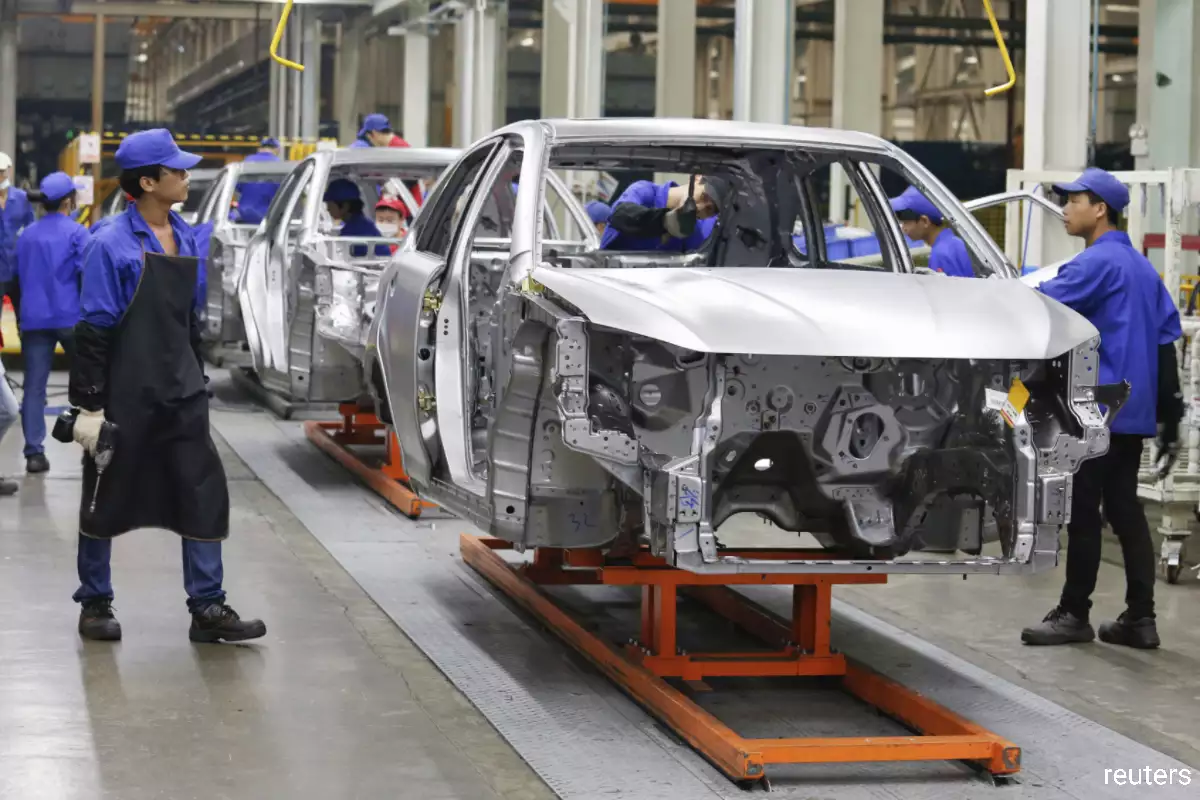
Toyota do Brazil, exporting 45,600 engines yearly worth $228 million, expects a $57 million hit. Other firms brace for similar losses as orders dry up. Local car makers escape direct damage since they ship no complete vehicles to the US.
The Impact of US Tariffs on Brazil’s Auto Industry
However, supply chain ripples could raise costs and disrupt production. Uncertainty grips the sector as strategies shift to cope with new barriers. Trump aims to boost US jobs with this policy, targeting components like engines and transmissions.
Brazil’s trade deficit with the US, at $870 million in 2024, may widen further. Last year, the US sent Brazil $2.24 billion in parts, dwarfing Brazil’s exports. Diversification offers hope for Brazilian firms, with Argentina as a key alternative market.
Technology upgrades could also cut costs and keep them competitive. Still, the tariff exposes Brazil’s reliance on the US amid global trade shifts. Workers at plants like Toyota’s Porto Feliz facility, expanded in 2022 to meet US demand, now face an uncertain future.
The factory added 150 jobs to hit 17,000 engines monthly, but demand may falter. Brazil’s government calls the move disruptive to world trade. This tariff tests Brazil’s auto industry resilience.
Firms scramble to adapt as the US, absorbing $568.7 million in parts in January 2025 alone, turns to cheaper options. The numbers tell a story of challenge and urgent change.
More: Brazil news in English, every day from The Rio Times.
This article was produced by The Rio Times’ automated newsroom system. How we use AI · Report an error · Editorial responsibility: Matthias Camenzind, Editor-in-Chief
LatAm Markets: Live Signals → — real-time movers, turnover leaders and FX across Latin America.
Brazil runoff, Sunday, October 25: When is the Brazil runoff election. Latest: Brazil runoff polls, Flávio 51%, Lula 49%.