Trinidad’s Gas Economy Bets on a 2027 Rebound From Its Own Fields
Energy · Caribbean
—The turn. After years of falling output, Trinidad expects its gas production to rebound in 2027.
—The drivers. New fields from BP and Shell, all in Trinidad’s own waters, are due to deliver first gas that year.
—The biggest one. Shell’s Manatee field is set to peak at about 104,000 barrels of oil equivalent a day.
—The point of it all. The new gas is meant to refill the Atlantic LNG plant, the island’s main export earner.
—The bonus. Cross-border gas from a reopening Venezuela could add still more supply later in the decade.
—The catch. Analysts warn that few sanctioned projects reach first gas beyond 2027, so the window is tight.
The Trinidad gas economy, long in slow decline, is pinning its recovery on a wave of new fields due in 2027, drilled in its own waters rather than across a disputed border.
Why the Trinidad gas rebound matters
Trinidad and Tobago is the Caribbean’s largest gas producer, and gas is the backbone of its economy. For years, though, its output has been sliding as older fields run dry.
That decline starved the island’s export plants of feedstock and squeezed government revenue. Now the picture is changing, with a clear turning point on the horizon.
In their latest annual reports, the energy majors BP and Shell each flagged 2027 as the year a string of new projects come online. The notable feature is that these fields sit firmly inside Trinidad’s own waters.
That distinction matters for a reader watching from abroad. It means the near-term recovery does not hinge on the tangled politics of neighbouring Venezuela, though our reporting has shown Trinidad is simultaneously courting gas from its neighbours to feed its petrochemical plants.
The stakes are large for a small economy. Gas underpins not just exports but also the petrochemical plants, electricity and public revenue that the country leans on.
The home-grown projects doing the work
Shell’s Manatee field is the heavyweight. It took a final go-ahead in 2024 and is due to start in 2027, eventually pumping about one hundred thousand barrels of oil equivalent a day.
Shell is pairing it with a smaller project called Aphrodite, also due in 2027. Together the company says the two will help sustain the island’s gas industry into the next decade.
BP is adding its own developments, named Ginger and Mento, tied back to platforms it already runs. Building on existing kit this way is faster and cheaper than starting from scratch.
BP describes Ginger as its fourth subsea project in the country, linked to a platform it already operates. A separate well programme on existing fields is also due to add gas in the same window.
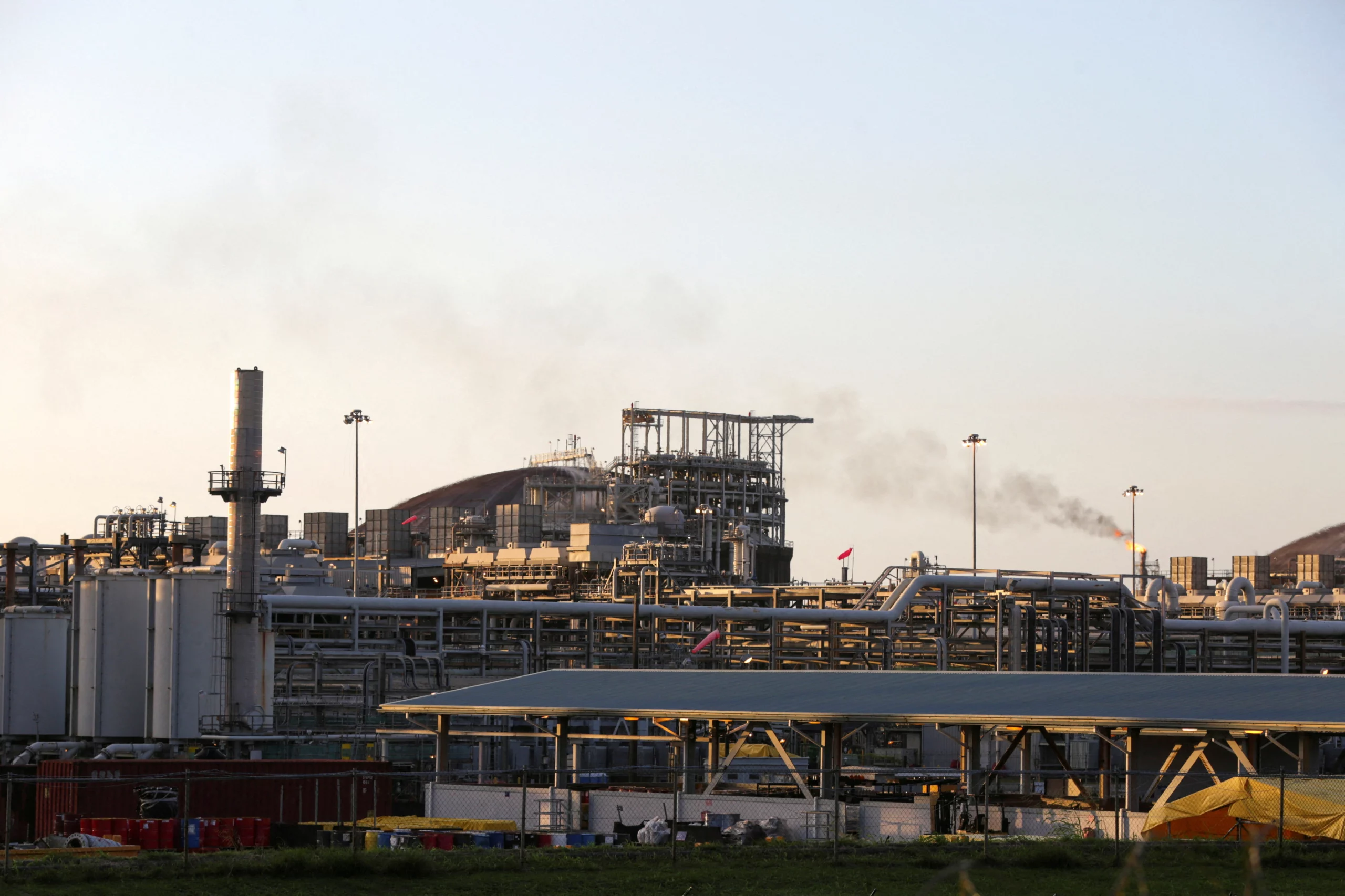
The common goal is to refill Atlantic LNG, the export plant at Point Fortin. That facility is the country’s main earner of foreign currency, and it has been running short of gas, forcing plants like Methanex to idle capacity.
Venezuela as upside, not foundation
The more dramatic prize lies across the maritime border. Several huge gas fields straddle the line between Trinidad and Venezuela, close to platforms Shell already operates.
After the fall of Venezuela‘s former leader in early 2026, Washington eased its sanctions and issued fresh licences. That let BP and Shell return to the dormant cross-border projects, including the long-stalled Dragon field.
If those fields are developed, they could feed even more gas into Trinidad’s plants later in the decade. The appeal for the companies is geography: piping gas to existing plants beats building new ones.
The Dragon field alone holds an estimated two trillion cubic feet of gas and sits only a short distance from a Shell platform. A first stage there has been eyed for late 2027, though the timing has slipped many times before.
But that supply is a bonus layered on top, not the base case. The licences can be revoked, and any payments to Caracas must route through accounts the US controls.
Why it matters for investors
For anyone tracking Atlantic gas markets, Trinidad is a test of whether a mature producer can arrest its own decline. The 2027 projects are the clearest evidence yet that it might.
The split between home fields and cross-border fields is the key to reading the risk. The domestic projects are sanctioned and on schedule, while the Venezuelan ones carry political strings.
There is a sober warning in the analysts’ notes, too. Few of the projects on the books reach first gas beyond 2027, so the country must keep sanctioning new developments fast.
For now, the direction of travel is up after a long slide. Whether that holds depends on drilling success, prices, and a steady hand from Washington on Venezuela.
Frequently Asked Questions
Why is the Trinidad gas sector rebounding in 2027?
Several new fields operated by BP and Shell are due to deliver first gas that year. They sit inside Trinidad’s own waters and are meant to refill the Atlantic LNG export plant after years of declining output.
What role does Venezuela play?
Large gas fields straddle the border with Venezuela, and eased US sanctions in 2026 reopened them to BP and Shell. That supply is potential upside later in the decade, not the foundation of the near-term recovery.
What is the main risk to the rebound?
Analysts warn that few sanctioned projects deliver first gas beyond 2027. Trinidad must keep approving new developments quickly, while the cross-border supply depends on Washington keeping its licences in place.
Connected Coverage
Venezuela Hands Shell a Gas Licence in Big Energy Reopening
Western Oil Majors Pour Back Into Venezuela as the US Eases Sanctions
This article was produced by The Rio Times’ automated newsroom system. How we use AI · Report an error · Editorial responsibility: Matthias Camenzind, Editor-in-Chief