Brazil’s Navy Gains Its Second-Biggest Warship as British Ship Lands

Defense · Security
Key Facts
—The arrival. A former British amphibious warship is due to reach Brazil in late June, entering service as the NDM Oiapoque.
—The rank. At 176 metres, it becomes the second-largest ship in the Brazilian fleet, behind only the helicopter carrier Atlântico.
—The capability. The vessel can carry as many as 700 troops, vehicles, landing craft and two large helicopters.
—The price tag. Brazil bought the ship second-hand from the Royal Navy in 2025, a cheaper route than building new.
—The mission. Its main job is patrolling the Amazônia Azul, Brazil’s vast offshore zone rich in oil, gas and minerals.
—The refit. Defence Minister José Múcio inspected the upgrade work in Plymouth, England, in February before the handover.
A second-hand British amphibious ship is set to reach Brazil in late June, handing the navy a new Brazil Navy warship that ranks as its second-largest hull and a fresh tool for guarding the waters it calls its blue Amazon.
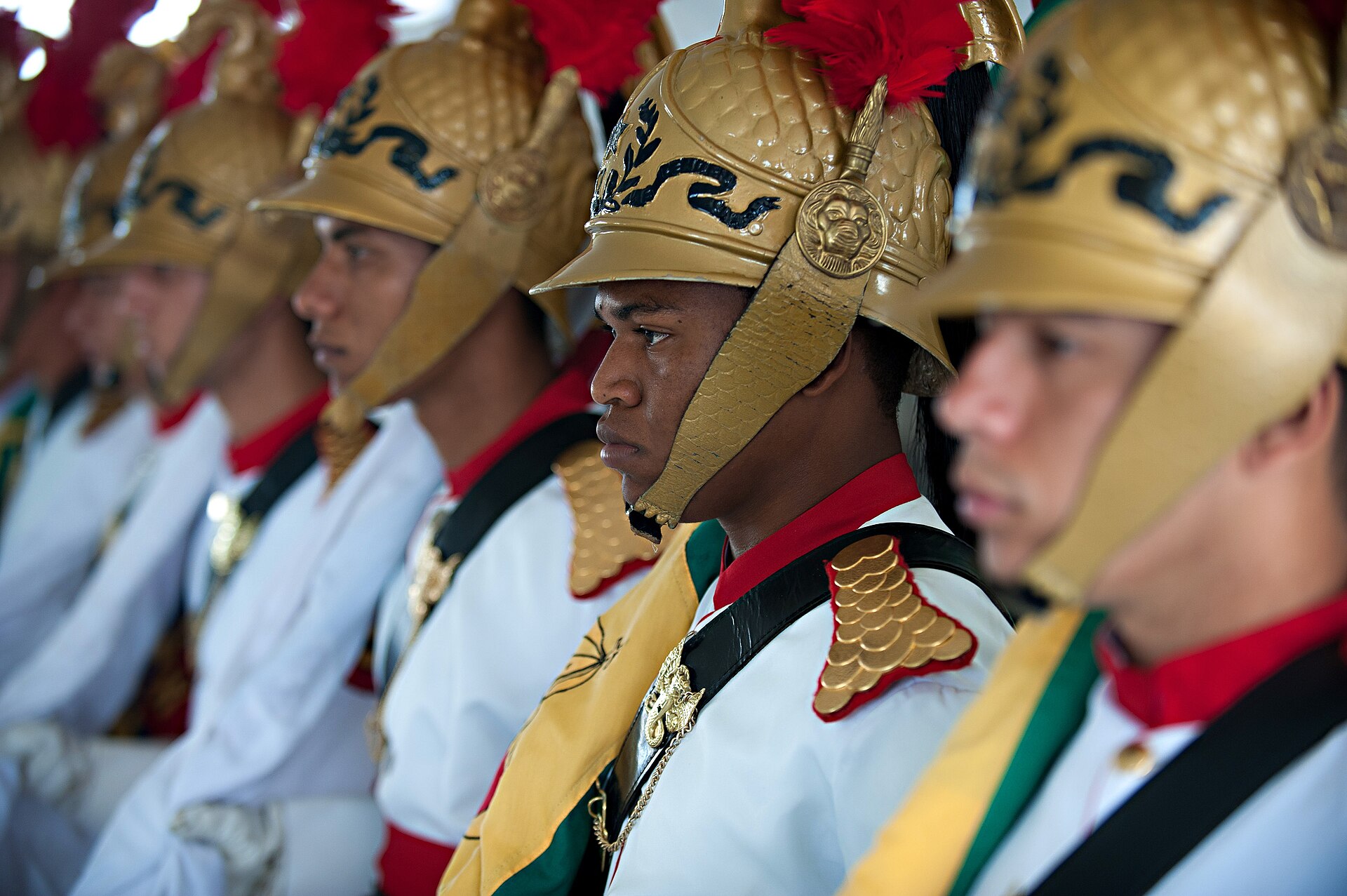
A new Brazil Navy warship reaches port
After months of repair work in England, a former Royal Navy amphibious ship is scheduled to arrive in Brazil in late June. It will enter service under a new name, the NDM Oiapoque.
The ship was bought second-hand last year, and Brazil’s Defence Minister, José Múcio, travelled to Plymouth in February to inspect the upgrades being carried out before the handover. The refit is meant to extend the hull’s working life by about 20 years.
At 176 metres long, the vessel slots straight into the top tier of the fleet. It becomes the navy’s second-largest ship, behind only the helicopter carrier Atlântico, which Brazil acquired in 2018.
That makes the arrival more than a routine delivery. For a navy that has struggled for years with tight budgets and ageing hulls, adding a large multipurpose ship is a visible jump in capability.
What the ship can actually do
The Oiapoque is what navies call an amphibious landing dock. It can carry as many as 700 troops, along with vehicles, smaller landing craft and two large helicopters, and put them ashore where there is no friendly port.
That flexibility is the point. The same ship that can land marines on a beach can also serve as a floating base for disaster relief, evacuating civilians or delivering aid after a hurricane or flood.
In its earlier British career the vessel did exactly that kind of work, including evacuating civilians during conflict and helping with rescues at sea. Brazil is buying a proven platform rather than an untested design.
Why a second-hand ship makes sense
Buying used is a deliberate strategy. A new amphibious ship can take many years and a great deal of money to design and build, and Brazil’s defence budget is stretched thin across competing programmes.
A refurbished hull bought from an ally fills the gap far more quickly and cheaply. It gives the navy a real capability now while longer-term, home-built projects move slowly through the shipyards.
Brazil is not alone in this. Chile bought two frigates second-hand from Australia earlier this decade, part of a wider regional pattern of navies topping up their fleets with used hulls from richer partners.
The deal also deepens ties with the United Kingdom. Selling and refitting a major warship for an ally is the kind of transaction that builds a longer industrial and military relationship between the two countries.
The used purchase sits alongside Brazil’s slower home-built effort. The country is producing its own Tamandaré-class frigates in domestic yards and has just retired the last of an older corvette class it designed decades ago.
The Oiapoque is best read as a stopgap within that wider plan. It plugs a capability hole at once while the locally built ships, which take years to deliver, gradually renew the rest of the fleet.
Why it matters for investors
The strategic prize is the Amazônia Azul, the name Brazil gives to its huge exclusive economic zone in the South Atlantic. It holds most of the country’s offshore oil and gas, the engine of its export earnings.
Guarding those waters, and the platforms and shipping lanes in them, is a direct commercial interest as well as a military one. A bigger, more capable fleet is part of how Brazil protects the assets that underpin its energy industry.
For foreign investors and energy firms, that maritime security backdrop is quietly important. Stability in the offshore zone is a precondition for the long-dated projects that dominate Brazil’s oil sector.
More: Brazil news in English, every day from The Rio Times.
Frequently Asked Questions
What is the new Brazil Navy warship?
It is a former Royal Navy amphibious landing ship, bought second-hand in 2025 and renamed the NDM Oiapoque. At 176 metres it becomes the second-largest ship in Brazil’s fleet, after the helicopter carrier Atlântico.
When does the ship arrive in Brazil?
It is scheduled to reach Brazil in late June 2026, after a refit in Plymouth, England, that is meant to extend its service life by around 20 years. Defence Minister José Múcio inspected the work there in February.
Why does Brazil need an amphibious ship?
The vessel can land troops and vehicles ashore and double as a base for disaster relief. Its strategic role is patrolling the Amazônia Azul, Brazil’s vast offshore zone, which holds most of the country’s oil and gas.
This article was produced by The Rio Times’ automated newsroom system. How we use AI · Report an error · Editorial responsibility: Matthias Camenzind, Editor-in-Chief
Read More from The Rio Times