Western Oil Majors Pour Back Into Venezuela as the US Eases Sanctions

Venezuela · Energy
Key Facts
—The opening. On June 10, the US issued its broadest relief yet on Venezuela sanctions.
—The players. Chevron, Shell, BP, Eni, Repsol and Maurel & Prom are cleared to operate.
—The deals. Shell is advancing offshore gas projects while service firms return.
—The money trail. Royalties and taxes must flow through a US-controlled account.
—The exclusions. Companies owned by Russia, China or Iran stay barred.
—The output. Venezuela pumps a little over a million barrels a day, far below its peak.
The world’s biggest energy companies are streaming back into Venezuela oil and gas fields, after Washington handed down its most sweeping easing of sanctions yet and reopened a country that had been off-limits for years.
Something remarkable is happening in the Venezuelan energy sector. After years shut out by sanctions, the world’s largest oil companies are coming back.
The trigger came from Washington. In June it issued the broadest relief to date for foreign investors in Venezuela, clearing them to resume oil and gas work.
Why the door reopened
To follow this, a little recent history helps. For years the United States kept tight sanctions on Venezuela, aimed at the government of Nicolas Maduro.
That changed dramatically at the start of the year. Maduro was removed from power, and a new leadership in Caracas moved quickly to court foreign investment.
Caracas rewrote its rules to match. It reformed its oil laws to offer private and foreign firms lighter taxes and more control over operations.
For Washington, the calculus is partly commercial. Officials have framed the opening as a way to manage Venezuelan oil for the benefit of both nations.
There is a strategic edge too. Pulling Venezuela back toward Western firms loosens the influence of rivals who had filled the vacuum.
The path has not been smooth. Washington granted licences, then revoked several in the spring, before swinging back to a far wider opening in June.
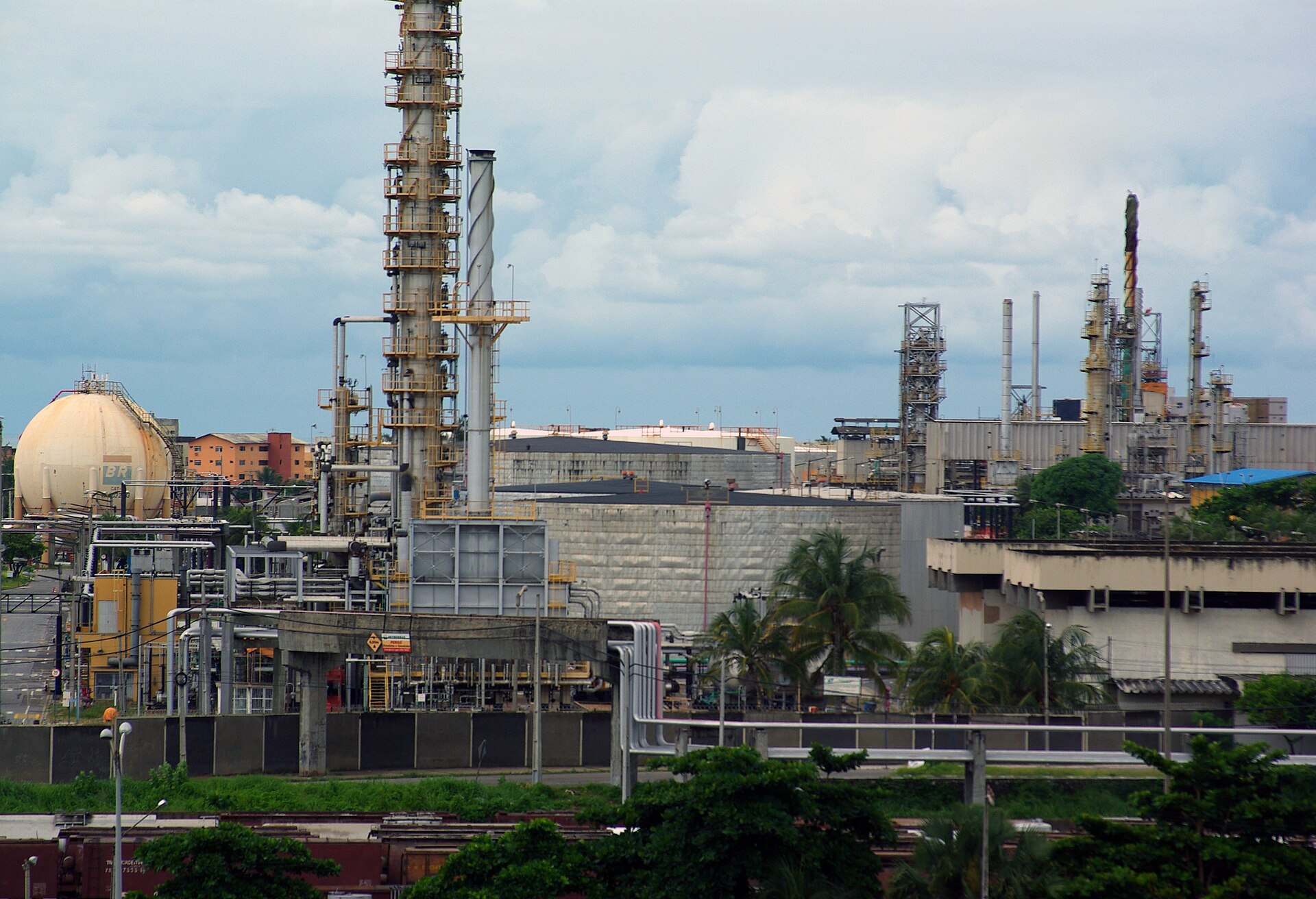
Who is going back into Venezuela oil
The list of names is a roll-call of the industry. The new licences clear Chevron, Shell, BP, Eni, Repsol and France’s Maurel & Prom to work with the state oil company.
Shell is among the most active. It holds a long-term licence on the large Dragon gas field off the coast and is pursuing several more offshore blocks.
That gas has a ready buyer next door. Much of it is destined for neighbouring Trinidad and Tobago, whose own fields are running low.
Others are moving on crude. Repsol has taken back control of an oil asset and aims to lift its output, while Chevron has expanded a joint venture.
The service companies are following the majors. Specialist firms that drill wells and read the geology are signing on to support the revival.
The strings attached
This is not a simple lifting of all restrictions. The relief comes wrapped in conditions designed to keep Washington in control of the money.
Royalties and taxes are the clearest example. Payments owed to Venezuela must pass through an account controlled by the US government, not straight to Caracas.
Some doors stay firmly shut. Firms owned or controlled by Russia, China or Iran remain barred from the new arrangements.
New contracts still need a second sign-off. A separate licence lets companies negotiate fresh investment deals, but each will require its own approval.
That layered design is deliberate. It lets Washington keep a hand on the tap, approving or blocking projects one by one.
Why it matters
Venezuela holds some of the largest oil reserves on the planet. Yet years of mismanagement and sanctions left output a shadow of its former self.
Today it pumps a little over a million barrels a day. That is well down from the three million it produced at its peak a generation ago.
For global markets, fresh barrels would be welcome. More Venezuelan supply could ease prices, though analysts caution that rebuilding worn-out fields takes years, not months.
Investors are also weighing the politics. A licence granted in one season was revoked in the next, and that memory makes some firms move with care.
Still, the direction of travel is clear. After years frozen out, the giants of the oil world are betting that Venezuela is open for business again.
More: Latin America news in English, every day from The Rio Times.
What did the United States change?
In June it issued its broadest sanctions relief yet for Venezuela, clearing major foreign energy firms to resume oil and gas operations. A separate licence lets them negotiate new investment contracts, subject to further approval.
Which companies are involved?
The licences name Chevron, Shell, BP, Eni, Repsol and Maurel & Prom. Shell is advancing offshore gas projects, while oil-services firms are returning to support the work.
Will this flood the market with oil?
Not quickly. Venezuela pumps a little over a million barrels a day, far below past levels, and reviving neglected fields will take years rather than months.
Connected Coverage
This article was produced by The Rio Times’ automated newsroom system. How we use AI · Report an error · Editorial responsibility: Matthias Camenzind, Editor-in-Chief
LatAm Markets: Live Signals → — real-time movers, turnover leaders and FX across Latin America.