Ecuador Puts 10 Provinces Under Emergency Rule as Killings Surge

Defense · Security
—The decree. Ecuador’s president declared a sixty-day state of emergency across ten of the country’s twenty-four provinces.
—The toll. Official figures cited almost nine hundred killings in those areas in the first months of this year alone.
—The powers. The measure lets police and soldiers enter homes without a judge’s warrant.
—The map. The provinces trace the cocaine routes running from the borders to the Pacific ports.
—The spillover. The decree warns of heavily armed Colombian groups operating in a province on the northern border.
—The stake. A country once seen as a haven of calm is now among the region’s most violent.
Ecuador’s security crisis is deepening, not easing, with the new state of emergency the latest sign even as the region’s attention turns to the World Cup.
Emergency rule, again
Ecuador’s president has declared a new sixty-day state of emergency across ten of the country’s twenty-four provinces, responding to a fresh surge in drug-gang violence. The decree can be extended for another thirty days.
The numbers behind it are stark. Official figures cited in the decree counted nearly nine hundred killings in the affected provinces during the first months of this year, evidence of a security situation that keeps worsening.
For a foreign reader, the context matters. Ecuador was for decades one of the calmest countries in South America, a tourist-friendly nation that has since become one of the most dangerous.
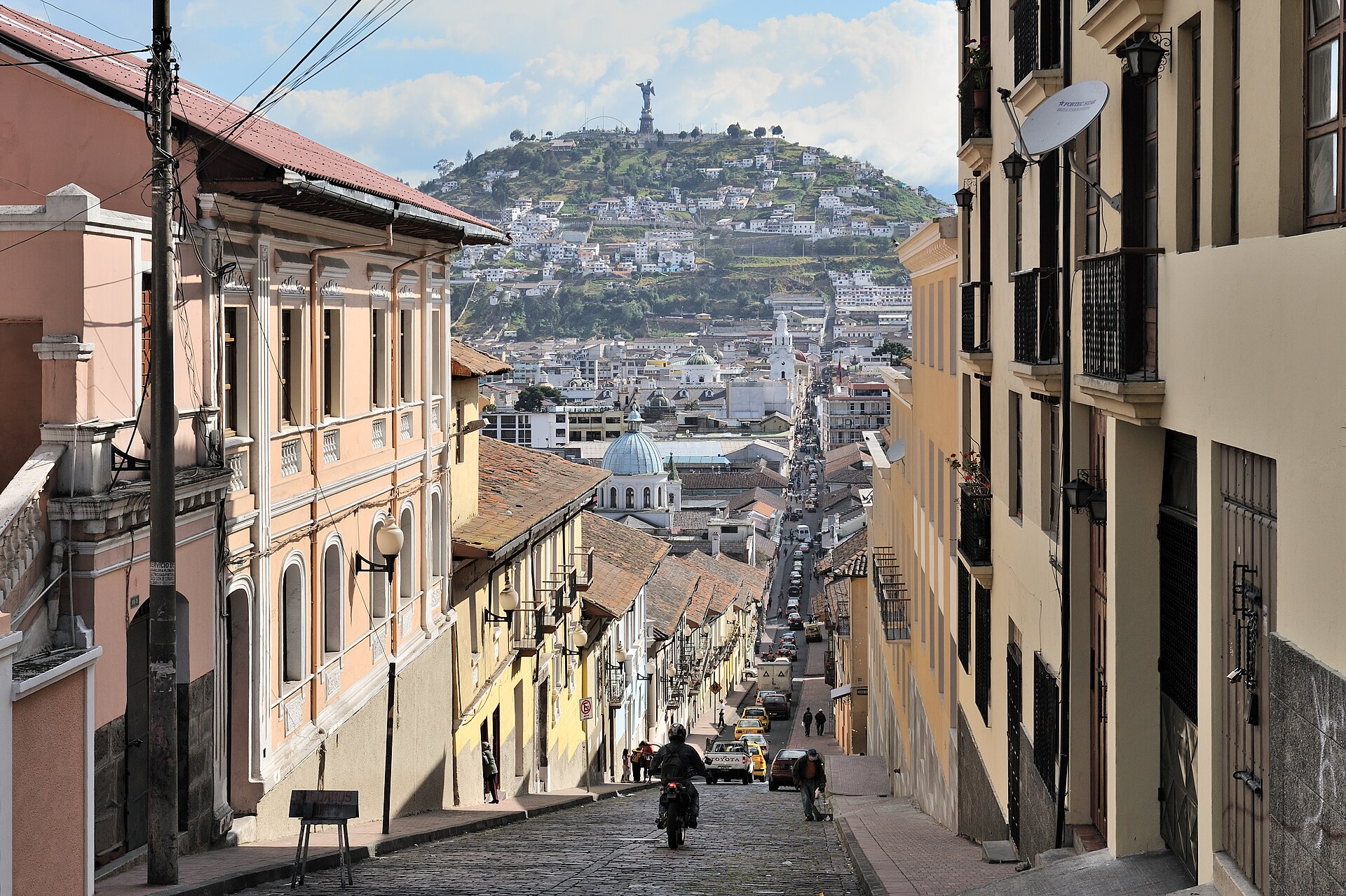
What the Ecuador state of emergency allows
The most significant provision suspends the legal protection of the home. Police and the armed forces can now enter and search private residences without first obtaining a judge’s warrant.
The government argues that ordinary legal rules are too slow to confront gangs that move faster than the courts, and that soldiers and police need wider powers to act in the worst-hit areas.
Critics counter that such measures erode civil liberties. Human-rights groups have documented abuses by security forces during Ecuador’s repeated emergencies, warning that warrantless searches invite further violations.
This is far from the first such decree. The president has reached for emergency powers again and again since taking office, and earlier declared the country to be in an internal armed conflict against the gangs.
Following the cocaine routes
The geography of the decree is revealing. The chosen provinces trace Ecuador’s main drug-trafficking corridors, stretching from its land borders down to the deep-water ports on the Pacific coast.
From those ports, cocaine produced in neighbouring countries is shipped toward markets in Europe and the United States. Control of the routes is what the gangs are fighting and killing over.
The decree singles out a northern Amazonian province bordering Colombia, warning of a growing and heavily armed presence of Colombian dissident groups that have spilled across the frontier.
That detail underlines how Ecuador’s crisis is bound up with its neighbours, as armed groups, smuggling networks and violence move across borders that are hard to police.
Why it matters
For investors and businesses, the steady drumbeat of emergencies is a warning sign. Persistent violence raises costs, deters tourism and complicates trade through the very ports the economy depends on.
There is also a hard question about effectiveness. Repeated states of emergency suggest that the strategy, however forceful, has not yet broken the gangs’ grip on the trafficking routes.
The timing is pointed too. As much of Latin America celebrates the World Cup, one of its nations is fighting a war against organised crime on its own soil, a contrast that captures the region’s uneven fortunes.
A country transformed in a few years
The speed of Ecuador’s decline has shocked the region. A decade ago it was a quiet country squeezed between two of the world’s largest cocaine producers but largely spared their violence.
That changed as global cocaine production rose and traffickers seized on Ecuador‘s ports, weak institutions and dollarised economy, which makes it easy to move and launder money.
Local gangs, some allied with foreign cartels, fought for control of the trade, and the murder rate climbed to among the highest in Latin America in just a few years.
The government’s response has leaned heavily on the military, with soldiers deployed to the streets and prisons and a string of emergency decrees granting them expanded powers.
Supporters say the hard line is the only realistic answer to heavily armed groups. Critics warn that militarisation without deeper reforms treats the symptoms while leaving the underlying trade intact.
The latest decree, the widest yet in its geographic reach, suggests the authorities themselves see the threat spreading rather than receding, despite years of tough measures.
More: Ecuador news in English, every day from The Rio Times.
Frequently Asked Questions
What is the Ecuador state of emergency?
It is a sixty-day decree, extendable by thirty days, placing ten of Ecuador’s twenty-four provinces under emergency rule to fight drug-gang violence. It follows official figures of nearly nine hundred killings in those areas in the first months of the year.
What powers does it give the authorities?
The decree suspends the legal protection of the home, allowing police and the armed forces to enter and search residences without a judge’s warrant in the affected provinces. The government says this speed is needed to confront fast-moving gangs.
Why is Ecuador so violent now?
Ecuador sits between major cocaine-producing countries and has deep-water Pacific ports, making it a key export route for traffickers. Rival gangs, some linked to armed groups from neighbouring Colombia, are fighting for control, driving one of the region’s sharpest rises in killings.
Connected Coverage
Ecuador’s Expanding Emergency Powers Show How Fast the Crime Map Is Moving
Latin America Economy 2026: Growth, Tariffs and Opportunities
This article was produced by The Rio Times’ automated newsroom system. How we use AI · Report an error · Editorial responsibility: Matthias Camenzind, Editor-in-Chief