IBOV 204,302.33 ▼ 0.74% IPSA 10,999.64 ▼ 1.47% IPC MEX 65,312.46 ▲ 0.52% MERVAL 2,824,123 ▼ 2.51% COLCAP 2,534.92 ▼ 2.09% BVL PERÚ 60,766.81 ▼ 1.71% USD/BRL5.00▲ 0.34% USD/MXN17.98▼ 0.04% USD/CLP978.54▲ 0.60% USD/COP3,237▲ 0.92% USD/PEN3.44▼ 0.07% USD/ARS1,517▼ 0.24% USD/UYU40.09▲ 2.39% USD/PYG5,835▲ 3.05% USD/BOB11.87▲ 2.15% USD/DOP60.29▲ 3.70% USD/CRC453.46▲ 2.32% USD/GTQ7.64▲ 3.39% USD/HNL26.86▲ 0.86% USD/NIO36.62▲ 0.26% USD/VES871.68▼ 0.13% USD/PAB1.00— 0.00% USD/BZD2.00— 0.00% USD/JMD 157.28 — 0.00% USD/TTD6.70▲ 2.23% EUR/BRL5.61▲ 0.01% BRENT 88.88 ▼ 0.03% WTI 83.11 ▼ 0.11% IRON ORE 161.91 — — COPPER 6.61 ▲ 0.03% GOLD 4,461 ▲ 1.78% SILVER 65.59 ▲ 1.26% SOY 1,184 ▲ 3.20% CORN 480.50 ▲ 10.02% WHEAT 655.00 ▲ 3.93% COFFEE 317.25 ▼ 5.51% SUGAR 16.43 ▼ 1.79% ORANGE JUICE 138.55 ▼ 0.47% COTTON 85.03 ▲ 2.33% COCOA 5,719 ▲ 3.18% BEEF 223.60 ▼ 3.93% CATTLE 339.10 ▼ 3.16% LITHIUM 75.20 ▲ 1.47% PETR4 41.64 ▼ 0.05% VALE3 72.97 ▲ 0.83% ITUB4 38.60 ▼ 1.03% BBDC4 16.85 ▲ 0.36% ABEV3 14.89 ▼ 0.80% BBAS3 19.37 ▲ 0.47% B3SA3 14.26 ▼ 0.21% WEGE3 47.59 ▲ 0.49% PRIO3 59.14 ▼ 0.19% SUZB3 41.33 ▲ 2.35% RENT3 34.68 ▼ 0.09% AZZA3 15.89 ▼ 2.63% CSAN3 3.22 ▼ 1.83% RAIZ4 0.25 — 0.00% PCAR3 2.75 ▼ 0.36% GMAT3 3.65 ▼ 1.08% PSSA3 48.13 ▼ 0.54% CVCB3 1.33 ▼ 2.92% POSI3 3.36 ▲ 2.44% SLCE3 13.34 ▲ 0.30% NATU3 8.14 ▼ 0.73% IBOV 204,302.33 ▼ 0.74% IPSA 10,999.64 ▼ 1.47% IPC MEX 65,312.46 ▲ 0.52% MERVAL 2,824,123 ▼ 2.51% COLCAP 2,534.92 ▼ 2.09% BVL PERÚ 60,766.81 ▼ 1.71% USD/BRL 5.16 ▲ 0.01% USD/MXN 17.06 ▼ 0.24% USD/CLP 913.98 ▲ 0.04% USD/COP 3,140 ▲ 0.03% USD/PEN 3.36 ▼ 0.66% USD/ARS 1,493 ▲ 0.10% USD/UYU 40.27 ▲ 1.24% USD/PYG 5,939 ▲ 1.68% USD/BOB 11.64 ▼ 0.76% USD/DOP 58.34 ▲ 1.25% USD/CRC 445.92 ▲ 0.89% USD/GTQ 7.62 ▲ 2.21% USD/HNL 26.79 ▲ 1.57% USD/NIO 36.62 ▲ 0.69% USD/VES 762.44 ▼ 0.13% USD/PAB 1.00 — 0.00% USD/BZD 2.00 — 0.00% USD/JMD 157.28 — 0.00% USD/TTD 6.70 ▲ 0.61% EUR/BRL 5.95 ▲ 1.01% BRENT 88.88 ▼ 0.03% WTI 83.11 ▼ 0.11% IRON ORE 161.91 — — COPPER 6.61 ▲ 0.03% GOLD 4,461 ▲ 1.78% SILVER 65.59 ▲ 1.26% SOY 1,184 ▲ 3.20% CORN 480.50 ▲ 10.02% WHEAT 655.00 ▲ 3.93% COFFEE 317.25 ▼ 5.51% SUGAR 16.43 ▼ 1.79% ORANGE JUICE 138.55 ▼ 0.47% COTTON 85.03 ▲ 2.33% COCOA 5,719 ▲ 3.18% BEEF 223.60 ▼ 3.93% CATTLE 339.10 ▼ 3.16% LITHIUM 75.20 ▲ 1.47% PETR4 41.64 ▼ 0.05% VALE3 72.97 ▲ 0.83% ITUB4 38.60 ▼ 1.03% BBDC4 16.85 ▲ 0.36% ABEV3 14.89 ▼ 0.80% BBAS3 19.37 ▲ 0.47% B3SA3 14.26 ▼ 0.21% WEGE3 47.59 ▲ 0.49% PRIO3 59.14 ▼ 0.19% SUZB3 41.33 ▲ 2.35% RENT3 34.68 ▼ 0.09% AZZA3 15.89 ▼ 2.63% CSAN3 3.22 ▼ 1.83% RAIZ4 0.25 — 0.00% PCAR3 2.75 ▼ 0.36% GMAT3 3.65 ▼ 1.08% PSSA3 48.13 ▼ 0.54% CVCB3 1.33 ▼ 2.92% POSI3 3.36 ▲ 2.44% SLCE3 13.34 ▲ 0.30% NATU3 8.14 ▼ 0.73%
since 2009
Wednesday, October 7, 2026

The end of La Niña: what the end of a three-year-long phenomenon means

By · March 15, 2023 · 3 min read

After three years of uninterrupted occurrence, the La Niña phenomenon ends and ushers in a “neutral” period.

In an interview with Sputnik, Argentine climatologist Leandro Díaz considered that the end of La Niña could alleviate the Southern Cone drought.

The climate phenomenon of La Niña – characterized by the presence of cold waters in the Pacific Ocean – has begun to dissipate, as warned by the International Research Institute for Climate and Society, after three consecutive years of being present.
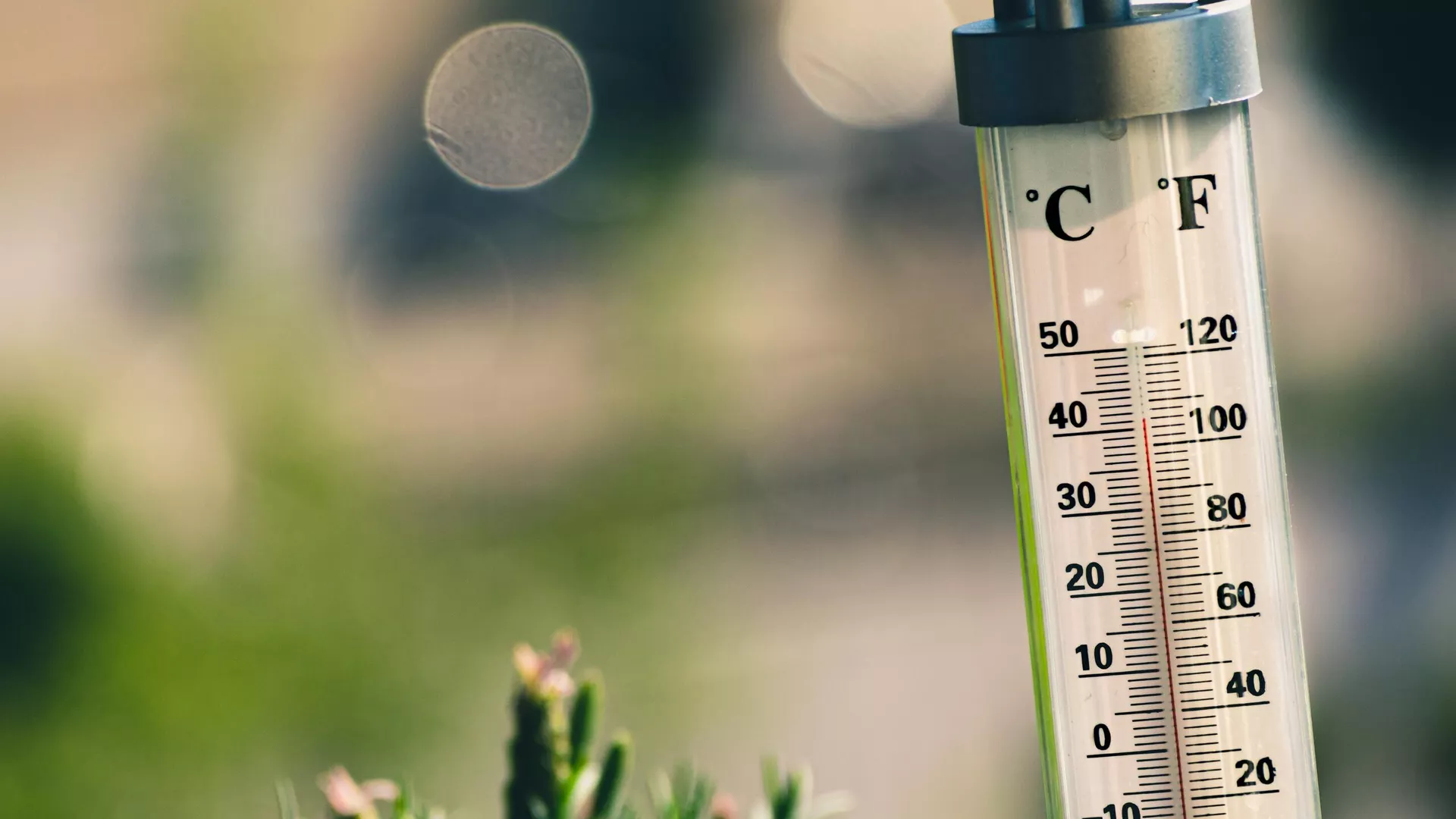
The continuity of La Niña between 2020 and 2023 is considered by the World Meteorological Organization (WMO) as the first triple La Niña episode so far in the 21st century and the third in the last 70 years
RT
Ask Rio Times
17 years of Latin America reporting, on demand.
Open the full Ask Rio Times →

The climatologist and researcher at Argentina’s National Council for Scientific and Technical Research (Conicet) commented to Sputnik that in recent months temperatures in the Tropical Pacific became “normal” after remaining colder than usual since mid-2020.

“If one looks at how the sea surface temperature in this region is in the records, we could say that it is no longer in La Niña conditions,” Diaz assured.

The LatAm Brief

One email, every weekday morning. What moved in Latin American markets, politics and expat life.

Yesterday’s subject line: “Mexico sells record US$60.6bn to the US in August”

Free. We send a confirmation link first — nothing arrives until you click it. Unsubscribe with one click in any edition. If you stop opening us for 30 days we stop sending by ourselves, as we assume the interest is no longer there. See our privacy policy. We never share your email.

The expert explained that the episode is considered present “when temperatures are 0.5°C below normal in a fairly large region.”

The climate scientist clarified that La Niña cannot yet be given as officially over since these phenomena are measured by quarters.

Thus, it will only end at the end of the first quarter, in the last days of March.

He also indicated that, although the temperature in the Pacific has already dropped, “the atmosphere still has a La Niña type behavior”.

According to the expert, it is “a matter of time” before the temperature drops in the Pacific waters, and the drop will be replicated in the atmosphere’s temperature.”

The continuity of La Niña between 2020 and 2023 is considered by the World Meteorological Organization (WMO) as the first triple La Niña episode so far in the 21st century and the third in the last 70 years.

Diaz explained that it is usual for the phenomenon to occur for two consecutive years but not three.

“It has happened on other occasions, but it is not what happens often,” he said.

Among the significant effects of the phenomenon were the intense droughts that occurred in the Southern Cone and persisted over time.

Diaz clarified that the forecast for the coming months “is quite uncertain” due to the difficulty in predicting behavior in times of “neutral conditions” of the oceans.

However, he ventured as a distant scenario that the droughts would last much longer.

The “neutral” conditions, as experts call the periods not crossed by La Niña or El Niño, would extend until the beginning of the austral spring, according to regional forecasts.

At that time, a new El Niño season would begin, characterized by a warm phase of the climatic pattern, where Pacific waters present higher temperatures than usual.

The researcher agreed with this forecast and predicted an end of the year with more rainfall and higher temperatures.

With information from Sputnik

Editorial responsibility: Matthias Camenzind, Editor-in-Chief · Editorial standards · Report an error

The Rio Times · Power Map
See who really holds power in Latin America
Click to open the Power Map →

Rotate for Best Experience

This report is optimized for landscape viewing. Rotate your phone for the full experience.