Testing the Peg: How Argentina’s Dual Exchange Rates Signal Economic Fragility
The official USD/ARS exchange rate stands at approximately 1,077 pesos per dollar in early morning trading, extending yesterday’s weakness. Meanwhile, the parallel “blue dollar” rate has climbed to approximately 1,215 pesos per dollar, widening its premium over official channels.
Key Rate Comparison:
- Official Rate: ~1,077 ARS/USD
- Blue Dollar Rate: ~1,215 ARS/USD
- Spread: ~12.8%
Previous Trading Day (March 24, 2025)
Yesterday’s trading saw the official rate close at 1,074 ARS/USD, continuing the peso’s steady depreciation that began last week. This represents a modest but concerning increase from Friday’s close of 1,073 ARS/USD.
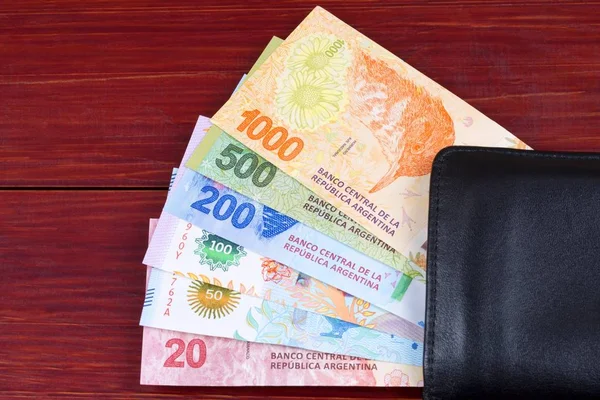
The central bank was forced to intervene for the sixth consecutive trading day, selling approximately $320 million to defend the peso, further depleting its already strained reserves.
Overnight Developments
Asian trading showed continued pressure on the peso as global investors processed news about Argentina’s ongoing negotiations with the IMF. European session opening brought additional selling pressure, with limited liquidity exacerbating price movements.
“The overnight session reflected persistent concerns about Argentina’s foreign reserve adequacy,” notes Fernando Álvarez of Goldman Sachs in this morning’s research briefing. “The peso’s vulnerability became more pronounced as European trading desks positioned for another challenging day.”
Market Commentary & Analysis
The widening spread between official and parallel markets continues to concern analysts, having increased from approximately 10.6% on March 18 to today’s 12.8%.
“The persistent gap expansion we’re witnessing reflects underlying structural challenges that cannot be addressed solely through interventions,” remarked Diego Martínez of Banco Ciudad during today’s morning market call. “This trend signals eroding confidence in the peso if left unaddressed despite the government’s fiscal discipline.”
Official vs. Blue Dollar Relationship
The blue dollar rate’s premium has steadily increased over the past week, moving from:
- 10.6% on March 18
- 11.6% on March 20
- 11.7% on March 21
- 12.2% on March 24
- 12.8% today (March 25)
This widening spread indicates growing market skepticism about the sustainability of the official rate. While significantly lower than historical spreads that exceeded 100% in previous years, the consistent expansion is raising red flags among investors.
Technical Analysis
The USD/ARS pair continues trading well above both its 50-day moving average (1053.67) and 200-day moving average (1005.69), confirming the strong bearish trend for the peso. Having pushed past the psychological resistance at 1,070 last week, the pair is now testing resistance at 1,080.
The Relative Strength Index (RSI) shows the peso remains in oversold territory at 72.3, suggesting a potential correction might be due, though continued pressure could override technical factors.
Trading Volumes and Investment Flows
The ROFEX futures market continues to show elevated activity, with the April 2025 contract setting at 1,098 on increased volume that exceeded the 20-day average by approximately 37%. This heightened activity reflects growing concerns about near-term peso stability.
The Global X MSCI Argentina ETF registered modest outflows yesterday ($4.8 million), marking the third consecutive day of negative investment flows. While not yet indicating major capital flight, this trend suggests increasing caution among international investors.
Market Health Assessment
The consistently widening spread between official and parallel rates points to deteriorating market confidence in Argentina’s currency stability. While the central bank maintains that current pressure is temporary, its declining reserve position (following $1.2 billion in interventions over the past six trading sessions) limits future defense capabilities.
“We’re witnessing a market that’s increasingly concerned about Argentina’s ability to maintain its crawling peg regime through 2025,” explains Roberto Geretto, co-head portfolio manager at Adcap Asset Management. “The blue dollar rate essentially functions as the market’s real-time referendum on policy credibility.”
Economic Context
Despite current market pressures, it’s worth noting that Argentina has made significant progress in taming inflation, with monthly rates falling from over 25% in late 2023 to below 3% currently. The Milei administration’s strict fiscal discipline has produced several months of primary surpluses.
However, the economic contraction remains deeper than initially projected, creating tension between fiscal targets and growth objectives. This balancing act continues to test market confidence as reflected in the currency markets.
Outlook
Market participants broadly expect continued pressure on the peso in the coming days, with futures markets pricing in further depreciation. The central bank’s ability to defend the peso will likely remain the focal point for traders, with particular attention to reserve adequacy.
If the official-to-blue dollar spread continues to widen beyond today’s 12.8%, it could signal further eroding confidence in the government’s ability to maintain its crawling peg regime through 2025 as previously planned.
More: Argentina news in English, every day from The Rio Times.
In depth
This article was produced by The Rio Times’ automated AI newsroom. Editorial responsibility: Matthias Camenzind, Publisher and Editor-in-Chief. How we use AI · Report an error