Suriname’s First Offshore Oil Project Moves From Plans to Steel
Energy
Key Facts
Suriname offshore oil just took its most concrete step yet. A specialist construction ship has arrived in Paramaribo to begin laying the underwater plumbing for GranMorgu, the field that is meant to turn the small country into a genuine oil producer by the end of the decade.
The Italian energy-services group Saipem said on June 23 that its multipurpose vessel, the Normand Navigator, had moored at the commercial port of Jules Sedney Harbour and was preparing to start work. It is a small headline with a large meaning, marking the point where a long-promised project shifts from drawings and shipyards into Surinamese waters.
GranMorgu is operated by France’s TotalEnergies, with the American firm APA and the state oil company Staatsolie as partners. According to Saipem’s own announcement, the vessel will begin the subsea campaign that connects the seabed wells to the floating production ship above them.
What Suriname offshore oil work actually involves
Saipem’s job is the part of the project that stays hidden underwater, known in the industry as the SURF package, covering the pipelines, risers and control cables that link the wells to the surface. The contract, awarded in twenty twenty-four, is worth roughly one and nine-tenths billion dollars, and the work will reach depths of up to about one thousand one hundred meters.
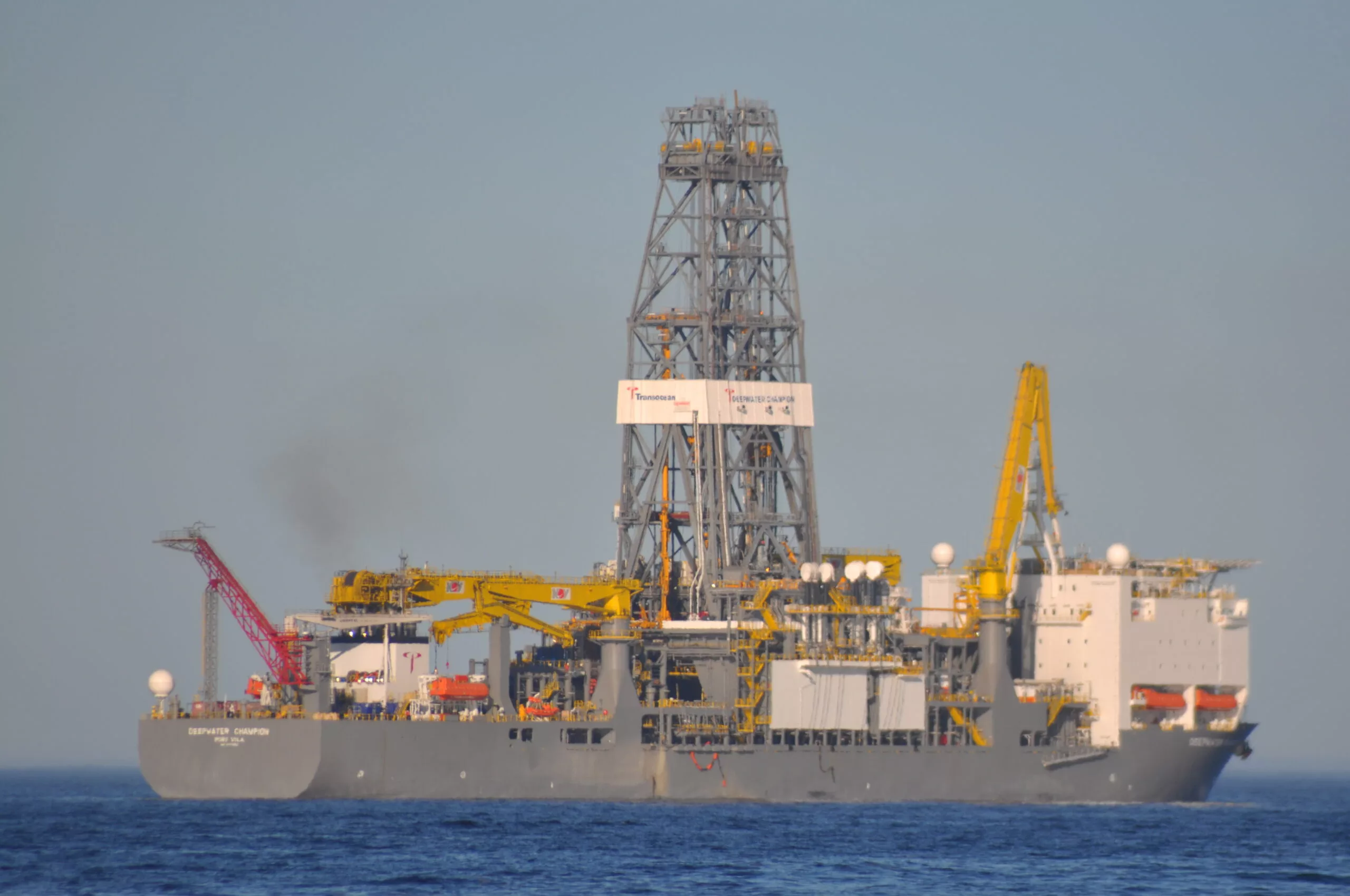
The field lies around one hundred fifty kilometers off the coast and holds an estimated three quarters of a billion recoverable barrels. The production vessel, supplied by the Dutch specialist SBM Offshore and currently being finished at a Chinese yard, is designed to lift up to two hundred twenty thousand barrels a day once the field starts up.
Saipem is running the campaign from two bases in Paramaribo rather than from abroad, with one harbor hub of up to forty thousand square meters for pipes and equipment and a second yard for heavy subsea structures. That choice matters because it routes part of the spending through local docks, transport and labor instead of sending it all overseas.
Why this milestone counts for a small economy
For a country of roughly six hundred thousand people, the gap between an approved project and a working one is everything. Suriname took the final decision to build GranMorgu back in twenty twenty-four, but until steel actually moves, a project can still slip or stall, as this one already has more than once.
The start of offshore work narrows that risk, even if it does not erase it. The deeper question, which played out at the country’s energy summit only days earlier, is how much of the money stays at home, since Suriname has chosen contract clauses rather than a Guyana-style local-content law to capture local spending.
Why a foreign reader should care
Suriname sits on the southern edge of the same prolific basin that turned neighboring Guyana into one of the world’s hottest oil stories, so any hard progress here is a read on whether the boom spreads east. A working GranMorgu would add a second producer to the northern South American coast within a few years.
For investors, the signal is that the timeline to first oil in twenty twenty-eight is now backed by physical work rather than promises. The risk that remains is execution, the same test every frontier oil province must pass, and the gap until barrels actually sell is the window in which a heavily indebted government has to keep its finances credible.
More: Latin America news in English, every day from The Rio Times.
Frequently Asked Questions
What does the start of Suriname offshore oil work mean?
It means physical construction has begun on GranMorgu, Suriname’s first large offshore field, with a Saipem vessel now in Paramaribo to lay the underwater pipelines and cables. It moves the project from an approved plan toward actual production targeted for twenty twenty-eight.
Who owns and runs the GranMorgu field?
France’s TotalEnergies leads with forty percent, alongside the American firm APA with forty percent and the state company Staatsolie with twenty percent. Italy’s Saipem holds the subsea construction contract worth about one and nine-tenths billion dollars.
When will Suriname actually earn oil money?
First oil is targeted for twenty twenty-eight, and only then does Suriname start collecting a producer’s share through its state stake rather than only taxes and dividends. Until then the budget leans on revenue that has not yet arrived.
Connected Coverage
This article was produced by The Rio Times’ automated newsroom system. How we use AI · Report an error · Editorial responsibility: Matthias Camenzind, Editor-in-Chief