Construexpo 2026 Pushes Digital Overhaul for Dominican Builders

Dominican Republic · Business
Key Facts
—Event. Construexpo 2026 runs 13–16 August at the Dominican Fiesta Hotel & Casino in Santo Domingo with over 48 exhibiting companies.
—Reforms. Industry and Commerce Minister Víctor Bisonó announced a new digital Single Window for Construction and a public-private sector alliance at the opening.
—Territorial Plan. The Verón-Punta Cana Municipal Territorial Plan (PMOT) is scheduled for presentation on 16 July 2026, after multiple postponements.
—Infrastructure. A four-lane expansion to Uvero Alto and the La Otra Banda bypass are part of an eight-year management agreement to support orderly growth.
—Uncertainty. The binding territorial plan for Bávaro-Punta Cana remains a draft; precise zoning rules and height limits are not yet publicly confirmed.
Construexpo 2026 has opened in Santo Domingo with a suite of regulatory reforms as the Dominican government simultaneously pushes to finalise a long-awaited territorial plan that will reshape how and where investors can build in the country’s most dynamic tourism corridor.
Construexpo 2026 Opens in Santo Domingo
The 18th edition of the Dominican Republic’s flagship construction fair is being held at the Dominican Fiesta Hotel & Casino in Santo Domingo, running from 13 to 16 August 2026. Organised by José Veras & Asociados, the event gathers more than 48 exhibiting companies and 16 international firms from Italy, Spain, Panama, Ecuador, Colombia and the United States.
For international investors and expats active in Punta Cana, the reforms announced at the fair signal that the corridor is maturing into a serious construction marketplace in its own right.
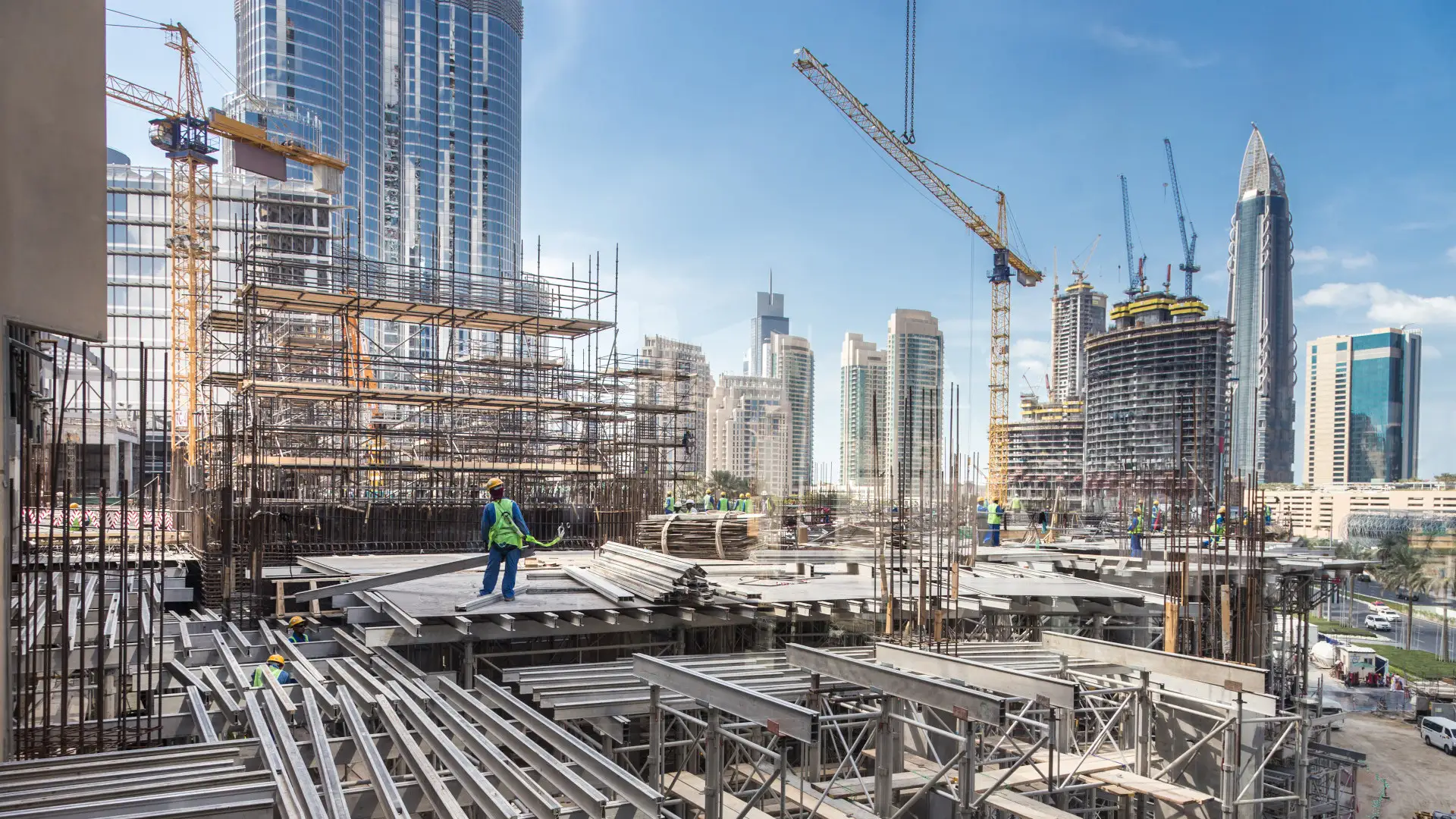
Regulatory Reforms Target Bureaucratic Bottlenecks
Minister Víctor “Ito” Bisonó used the opening platform to announce a new stage of the “Ventanilla Única de Construcción,” the country’s Single Window for Construction, reconfigured as a more integrated and transparent digital platform for processing permits and technical reviews. The reform aims to reduce the bureaucratic delays that have historically slowed both local and foreign-backed projects.
Alongside the digital overhaul, a public-private sector alliance was announced, designed to strengthen value chains and promote joint solutions for the construction industry. For developers accustomed to navigating opaque approval processes, this standardisation offers a clearer compliance roadmap and greater predictability in project timelines.
A Public-Private Alliance Takes Shape
The third pillar announced at Construexpo 2026 is the “Alianza para el Fomento del Sector Construcción,” a public-private alliance promoted jointly with the Asociación de Industrias de la República Dominicana (AIRD) and other business associations. The alliance is conceived as a permanent forum to strengthen value chains, promote joint solutions and accelerate sustainable growth in the construction industry.
This institutional mechanism matters for market participants because it creates a formal channel for industry input into regulatory reforms, including the territorial planning process now underway in Bávaro-Punta Cana. As the government moves toward stricter land-use rules, the alliance is likely to become the primary venue where large tourism interests, local communities and regulators negotiate the practical terms of compliance.
The Bavaro Territorial Plan: Four Postponements and Counting
While Construexpo 2026 showcases the sector’s ambitions, the regulatory framework that will govern future development in the eastern corridor remains frustratingly incomplete. The Ministry of the Presidency and the Municipal Tourism District of Verón-Punta Cana have scheduled the presentation of the Technical Document of the Municipal Territorial Planning Plan (PMOT) for Thursday, 16 July 2026, at 10:00 AM.
Local media report that this presentation has been announced at least four times and postponed each time, with tourism entrepreneur Frank Rainieri publicly attributing the delays to “the interests at stake.” Presidency Minister José Ignacio Paliza and Tourism Minister David Collado are expected to attend, but until the document is formally presented and published, its precise zoning maps and regulatory articles remain unconfirmed.
What the Territorial Plan Aims to Control
Although the binding text is not yet public, official statements outline a clear direction: the plan will establish rules on where new developments can be built, define maximum building heights and density limits, and introduce sustainability criteria linking permits to environmental impact and infrastructure capacity. Tourism Minister Collado has explicitly warned that Bávaro-Punta Cana must avoid the disordered growth seen in destinations like Las Terrenas.
The plan is paired with an eight-year management agreement involving Digesett, Intrant, the Environment Ministry and the hotel sector, designed to embed land-use rules into a long-term governance framework. For investors, this signals a transition from a growth-first model to a regulation-plus-growth model, where land valuations, project timelines and feasibility analyses will increasingly depend on compliance with anticipated zoning constraints.
Infrastructure Spending Complements Regulatory Push
The territorial plan is not being developed in isolation. President Luis Abinader and Minister Collado have linked it to a package of infrastructure projects, including a nearly 12-kilometre four-lane expansion of the road to Uvero Alto, financed via a public-private partnership, and the La Otra Banda bypass expected to cut 10 to 15 minutes off access from the tourism zone to the main highway.
Additional works include the Verón bypass with grade-separated interchanges and the Domingo Maíz street project, built with approximately RD$135–184 million in public investment, which has reduced hotel staff travel times by over 30 minutes. These projects address the traffic congestion that Abinader has acknowledged as a direct consequence of accelerated tourism and real-estate growth, with more than 60,000 new hotel rooms projected for Punta Cana.
What Construexpo 2026 Means for Investors and Expats
The coincidence of Construexpo 2026 with the territorial plan’s decisive presentation phase carries immediate implications for anyone with capital or a residence stake in the eastern corridor. By announcing modernised permitting tools alongside the fair, the government is signalling that regulatory tightening will be accompanied by process simplification, making compliance potentially stricter but more predictable and digitally streamlined.
Until the territorial plan is formally approved, existing projects continue under current norms, but future permits may face tighter scrutiny on location, height and environmental impact. Early movers who adapt project designs to anticipated rules may face fewer delays once the plan is enforced, while speculative projects in environmentally sensitive or congested areas could encounter significant obstacles.
More: Latin America news in English, every day from The Rio Times.
Frequently Asked Questions
What is Construexpo 2026 and where is it being held?
Construexpo 2026 is the 18th edition of the Dominican Republic’s flagship construction industry fair, organised by José Veras & Asociados. It runs from 21 to 23 May 2026 at the Convention Center of Blue Mall Punta Cana, marking the event’s first relocation from Santo Domingo to the eastern tourism corridor.
When will the Bavaro-Punta Cana territorial plan be finalised?
The Municipal Territorial Planning Plan (PMOT) for Verón-Punta Cana is scheduled for public presentation on 16 July 2026, but this date has been postponed at least four times previously. A broader territorial plan for the Bávaro-Punta Cana tourism corridor has been announced as a draft, but no binding regulatory text has yet been published, leaving precise zoning rules and height limits unconfirmed.
How will the new territorial plan affect property investors in Punta Cana?
Once enacted, the plan is expected to impose clearer rules on where construction is permitted, maximum building heights and sustainability criteria for new developments. Investors who align project designs with anticipated regulations may benefit from faster approvals, while speculative projects in congested or environmentally sensitive zones could face greater scrutiny and delays.
Connected Coverage
Hilton and Blu Terrenas Reshape Samaná’s Luxury Coastline in Dominican Republic
Dominican Senate Raises Corporate Tax to 30% for Large Firms
This article was produced by The Rio Times’ automated newsroom system. How we use AI · Report an error · Editorial responsibility: Matthias Camenzind, Editor-in-Chief