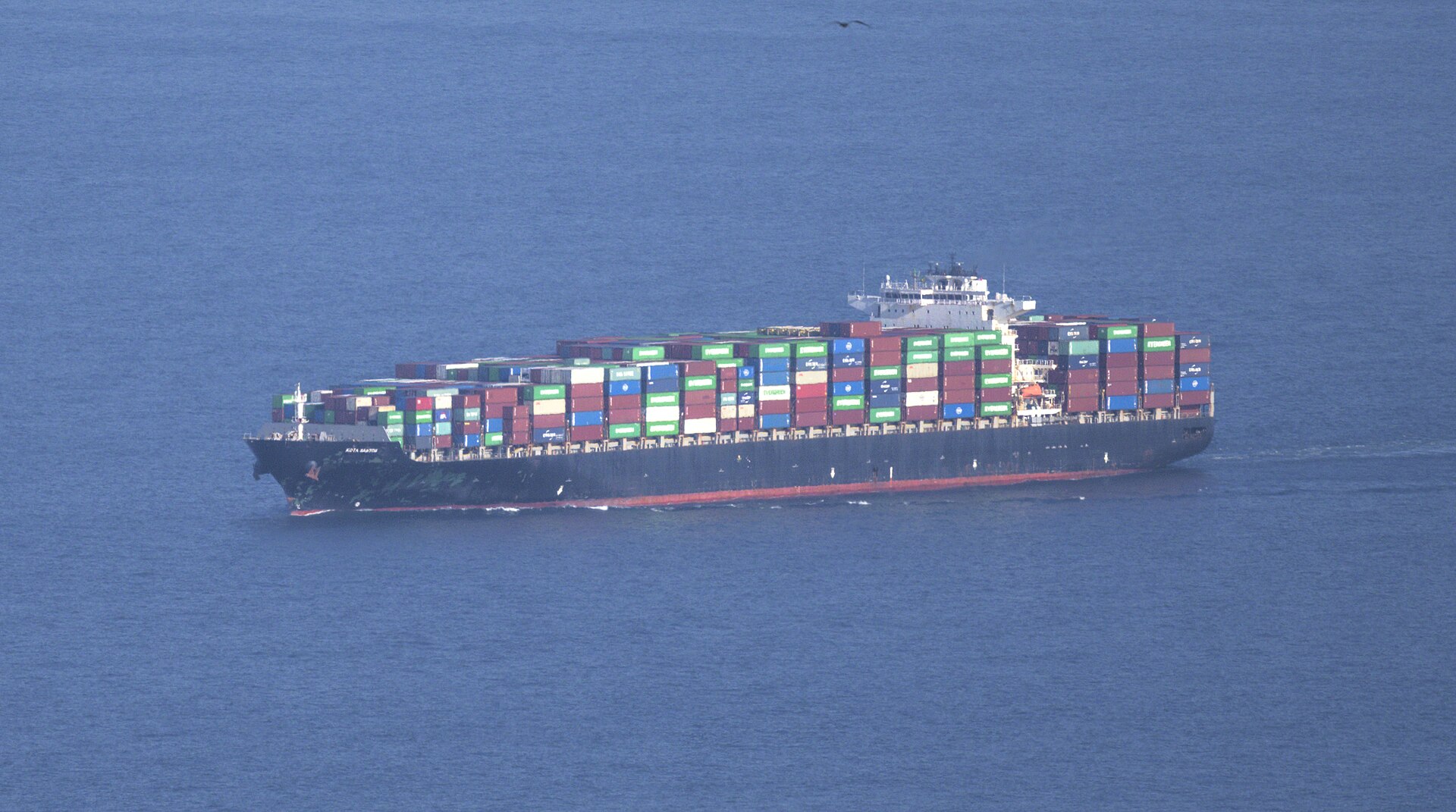
Key Facts
- Gerdau gained with its New York-traded shares closing at US$4.46, a rise of 2.29% on Wednesday, August 26, 2026.
- CSN also advanced with the Brazilian flat-steel producer’s American depositary receipts finishing at US$1.03, up 0.98%.
- Ternium eased slightly with the Mexico-focused steelmaker’s shares ending Wednesday at US$55.13, a decline of 0.13%.
- The SLX steel ETF slipped with the global steel-producers fund settling at US$108.60, down 0.28% on the session.
- Brazil’s tariff shield stands at 25% applying to above-quota imports of 19 steel products and running through June 2027.
- Mexico’s tariffs reach up to 50% on 1,463 products from countries without a free-trade deal, including steel, effective since January 2026, on top of a 25% non-FTA steel levy in place since August 2023.
Today’s Focus
Brazilian steelmakers Gerdau and CSN firmed on Wednesday, August 26, 2026, even as the global steel-producers ETF SLX slipped 0.28% to US$108.60. Gerdau’s US-listed shares rose 2.29% to US$4.46, the strongest move among the Latin American names, while CSN added 0.98% to US$1.03.
Mexico’s Ternium drifted 0.13% lower to US$55.13, balancing nearshoring-driven factory demand against a steady flow of cheap Chinese steel. The session’s mixed tone reflects investors weighing tariff protection against weak domestic construction and auto order books in Brazil.
Brazil’s 25% above-quota tariff on 19 steel products remains the core price floor for local mills, renewed in late May through June 2027. Mexico pairs its own steel levy with tariffs of up to 50% on imports from countries without a free-trade deal, but both walls face pressure from Asian exporters rerouting supply through third countries.
What matters today. The tariff walls are holding but not winning; flat-steel margins remain vulnerable while long-product producers find steadier footing.
01 The session in one read
Latin American steel names finished mixed on Wednesday, August 26, 2026, with Brazil’s producers firmer and Mexico’s Ternium almost flat. Gerdau’s New York-traded shares rose 2.29% to US$4.46, the clearest signal that investors see protection for long-steel margins holding up.
CSN’s American depositary receipts added 0.98% to US$1.03 in a modest recovery after Monday’s sharp jump. Ternium slipped 0.13% to US$55.13, while the global steel-producers fund SLX fell 0.28% to US$108.60, suggesting Latin American resilience ran against cautious global steel sentiment.
Wednesday’s trading shows a split market: investors rewarded Gerdau’s long-steel exposure to stable construction demand, while CSN and Ternium’s flat-steel businesses continue absorbing pressure from cheap Chinese coils despite anti-dumping duties. The SLX decline of 0.28% confirms global steel sentiment stayed cautious, with the Brazilian and Mexican tariff regimes doing enough to limit downside rather than drive valuations higher. The variable to watch is the monthly import volume data into Brazil and Mexico for any sign that Asian rerouting through Vietnam or Turkey is accelerating.
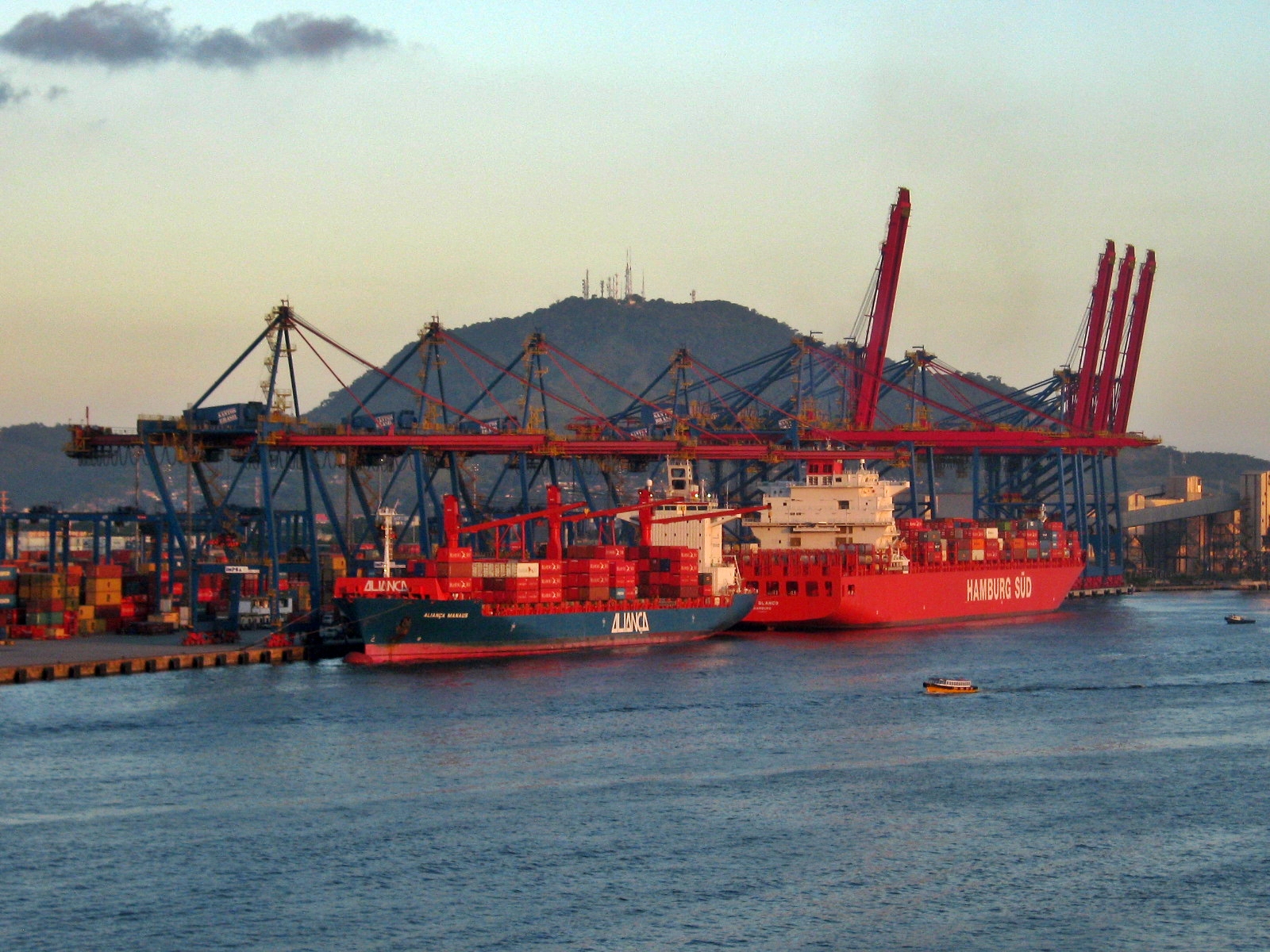
02 The board
Gerdau’s 2.29% gain stood out as the session’s strongest Latin American steel move, lifting its US-listed shares to US$4.46. The rise suggests investors are warming to the company’s Brazilian construction exposure, where the 25% tariff on above-quota imports shields rebar and wire rod pricing from cheaper Chinese long products.
CSN closed at US$1.03, up 0.98%, a more tentative step for a producer tied to flat steel used in cars and appliances that still faces thin order books. Ternium’s US$55.13 close, down just 0.13%, showed near-perfect balance between Mexican demand growth and Asian import competition, while the SLX ETF’s 0.28% drop to US$108.60 underscored that global investors remain cautious on steel broadly.
| Asset | Level | Change |
|---|---|---|
| Steel (SLX ETF) | US$108.60 | -0.28% |
| Gerdau | US$4.46 | +2.29% |
| CSN (ADR) | US$1.03 | +0.98% |
| Ternium | US$55.13 | -0.13% |
Source: RT close, 2026-08-26. Where a commodity has no spot feed, an exchange-traded tracker or leading producer is shown as a labelled proxy.
Live Market IntelligenceThe live market board
Rio Times · Live Market Intelligence
Latin America — Cross-Market Board
| Instrument | Last | Change | YoY | Prev. | High | Low | Volume |
|---|---|---|---|---|---|---|---|
| IBOV | 209,066.90 | +1.38% | +21.85% | 206,220.24 | 168,310 | 167,142 | — |
| IPSA | 11,043.36 | +0.17% | — | 11,024.22 | 11,210 | 10,984 | 1,513,213,483 |
| IPC MEX | 66,048.57 | +1.63% | +12.17% | 64,986.91 | 66,121 | 65,405 | 108,886,187 |
| MERVAL | 2,828,027 | -0.16% | +30.51% | 3,022,485 | 3,042,365 | 2,991,150 | — |
| COLCAP | 2,531.15 | +0.21% | — | 9.04 | 9.05 | 9.02 | 4,133 |
| BVL PERÚ | 59,610.00 | +2.26% | — | — | — | — | — |
| USD/BRL | 5.16 | +0.01% | -5.13% | 5.16 | 5.18 | 5.14 | — |
| EUR/BRL | 5.95 | +1.01% | -5.83% | 5.89 | 5.98 | 5.94 | — |
| USD/MXN | 17.06 | -0.24% | -8.58% | 17.10 | 17.08 | 17.01 | — |
| USD/CLP | 913.98 | +0.04% | -5.67% | 913.65 | 915.11 | 906.68 | — |
| USD/COP | 3,140 | +0.03% | -22.04% | 3,139 | 3,141 | 3,105 | — |
| USD/PEN | 3.36 | -0.66% | -4.82% | 3.38 | 3.38 | 3.35 | — |
| USD/ARS | 1,493 | +0.10% | +12.96% | 1,491 | 1,494 | 1,480 | — |
| USD/UYU | 40.27 | +1.24% | +1.80% | 39.77 | 40.27 | 40.23 | — |
| USD/PYG | 5,939 | +1.68% | -19.54% | 5,841 | 5,939 | 5,925 | — |
| USD/BOB | 11.64 | -0.76% | +72.04% | 11.73 | 11.72 | 11.64 | — |
| USD/DOP | 58.34 | +1.25% | -3.44% | 57.62 | 58.34 | 58.04 | — |
| USD/CRC | 445.92 | +0.89% | -9.71% | 441.97 | 448.50 | 445.92 | — |
Live Company IntelligenceGerdau S.A — the full investor dossier
Valuation & profitability
Price & risk
$16.6652-wk high
$27.13
Revenue trend · 6y
Ownership
Dividend
03 What moved it
Cheap Chinese exports remain the dominant force shaping Latin American steel trades, even with multiple tariff barriers in place. Brazil’s 25% levy on above-quota imports of 19 products, renewed through June 2027, is the main defence for domestic mills, but Asian producers have shown they can absorb duties and still undercut local prices.
Mexico applies tariffs of up to 50% on 1,463 products from countries without a free-trade agreement, including steel, a regime approved in December 2025 and in force since January 1, 2026, alongside a 25% levy on non-FTA steel that has stood since August 2023. Construction and auto demand are the swing factors: Brazil’s construction sector, consuming over half of all steel, is steady but weak, while Mexico’s nearshoring-driven factory building and USMCA auto orders give Ternium a stronger demand story.
04 The Latin American read
For Brazil, the session showed investors distinguishing between steel products rather than treating the sector as one trade. Gerdau’s long-steel exposure to rebar and wire rod looks safer because construction demand, though not booming, is holding up better than the auto and appliance markets that CSN serves.
For Mexico, Ternium’s near-flat close at US$55.13 reflects a company gaining market share against imports while overall steel consumption remains below 2023 levels. The nearshoring pipeline of factory construction and gas infrastructure projects offers a structural tailwind, but the margin outcome still depends on how aggressively Chinese exporters keep pricing into Mexico.
05 The names to watch
Gerdau is the flagship Brazilian long-steel play, with its US$4.46 ADR price now testing investor appetite for construction-linked recovery. The company’s fortunes will track Brazil’s subsidised housing programmes and any acceleration in infrastructure tenders.
CSN remains the clearest gauge of flat steel, where anti-dumping duties on Chinese cold-rolled and coated sheet are doing the heavy lifting. Ternium is the Mexican nearshoring proxy, and its ability to convert demand growth into margin expansion will depend on defending prices against Asian imports at the border.
06 The outlook
The next catalyst for Latin American steel will be the monthly import data into Brazil and Mexico, specifically whether third-country rerouting of Chinese steel is accelerating despite the tariff walls. If import volumes into Brazil keep rising through Vietnam or Turkey channels, the 25% quota tariff starts looking leakier and CSN’s flat-steel recovery could stall.
For Mexico, any tightening of the USMCA rules on steel content would strengthen Ternium’s hand against Asian imports. A further slowdown in Brazilian construction would hit Gerdau’s stability premium.
07 What to watch
- Brazil import volumes: Watch for third-country rerouting of Chinese steel through Vietnam or Turkey that could undermine the 25% quota tariff.
- USMCA steel content rules: Any tightening of North American content requirements would boost Ternium’s competitive position against Asian imports.
- Brazil construction pipeline: New subsidised housing or infrastructure tenders would directly lift demand for Gerdau’s long products.
- Chinese export pricing: Any further discounting of Chinese coils would compress flat-steel margins at CSN and Ternium despite existing anti-dumping duties.
Frequently Asked Questions
Why did Gerdau rise while the steel ETF fell?
Gerdau’s 2.29% gain to US$4.46 reflects investor confidence in its Brazilian long-steel construction exposure, where the 25% tariff more effectively shields rebar pricing, while the global SLX fund slipped 0.28% on broader caution.
What tariffs protect Latin American steelmakers?
Brazil applies a 25% tariff on above-quota imports of 19 steel products through June 2027, plus five-year anti-dumping duties on Chinese cold-rolled and coated flat steel. Mexico levies up to 50% on 1,463 products from countries without a free-trade deal, including steel, since January 2026, alongside a 25% non-FTA steel tariff active since August 2023.
How exposed is CSN to cheap Chinese imports?
CSN is highly exposed because it makes flat steel for cars and appliances, the exact products where Chinese cold-rolled and coated coils compete, and its 0.98% rise to US$1.03 on Wednesday suggests only tentative relief from anti-dumping protection.
What is driving Mexican steel demand for Ternium?
Nearshoring-driven factory construction, USMCA auto orders, and new gas pipeline projects are lifting Ternium’s volumes, but overall Mexican steel consumption remains below 2023 levels even as the company gains share against imports.
Market data: RT
This article was produced by The Rio Times’ automated newsroom system. How we use AI · Report an error · Editorial responsibility: Matthias Camenzind, Editor-in-Chief
LatAm Markets: Live Signals → — real-time movers, turnover leaders and FX across Latin America.