Government Seeks 90 More Days for the State of Exception in Bolivia
BOLIVIA · POLITICS
Key Facts
- —What happened Bolivia’s interior minister said the government will present a decree for 90 more days of emergency powers.
- —How big The measure covers the whole country and would run to about mid-December 2026 if approved.
- —What it means Limits on movement and assembly stay available to the government, but fundamental rights stay protected.
- —The catch The Plurinational Legislative Assembly has not voted, and no new decree has been published.
- —Who it hits Road blockades stay banned, and supplies of food, fuel and medicine must keep moving.
- —What comes next The lower house and then a joint session with the Senate must decide before 18 September.
Bolivia’s government now says it will ask lawmakers for 90 more days of the state of exception in Bolivia. Nothing new is in force yet.
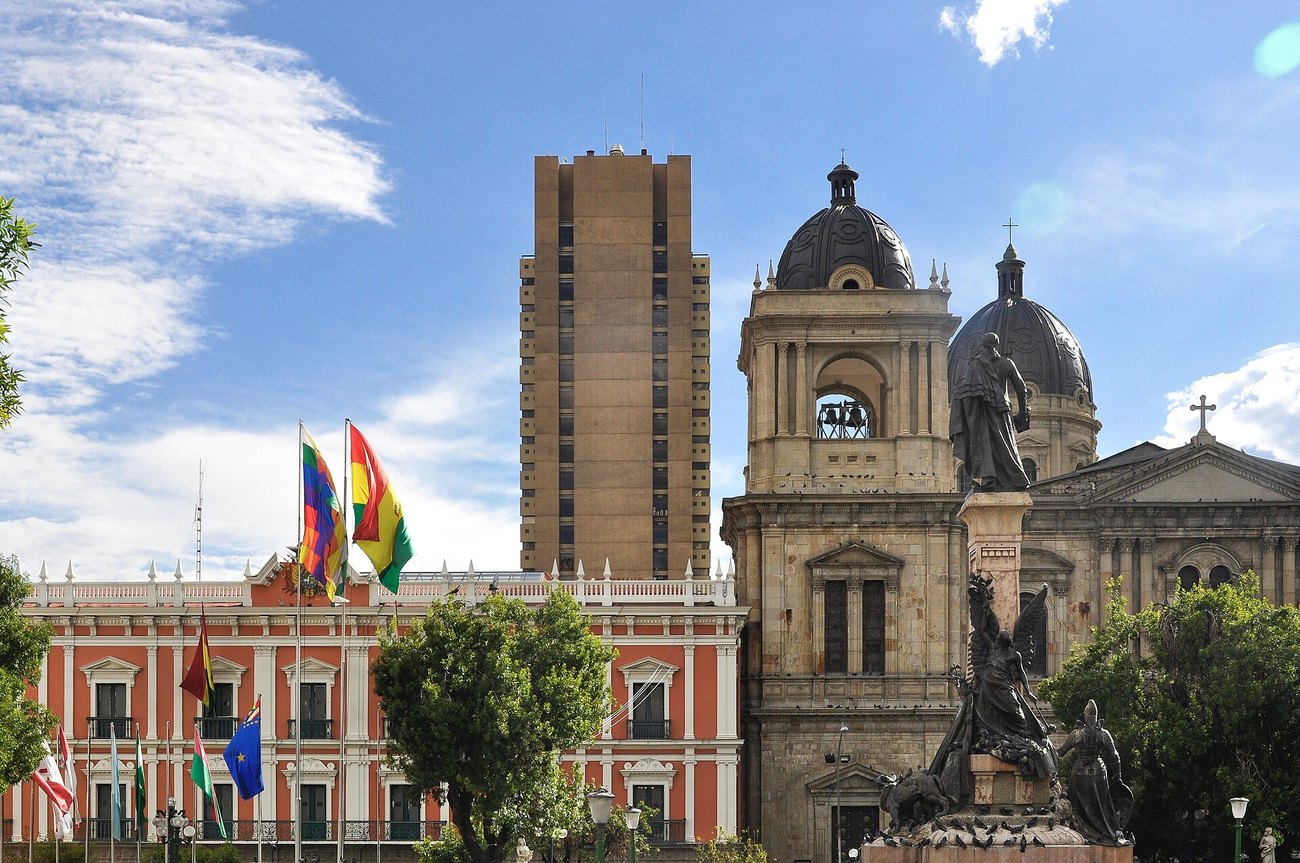
Bolivia’s government says it will present a decree to extend the state of exception in Bolivia by 90 days. The full legislature has not yet approved anything.
The new step, announced on Sunday
Interior Minister Marco Antonio Oviedo spoke to local media in Cochabamba on Sunday 13 September. He said the executive will again present a decree to extend the emergency measure.
Oviedo said there is broad agreement among citizens and in parliament. Those are his words, and no vote has yet tested them.
The Spanish news agency EFE carried the remarks, and Infobae published the dispatch on Monday. The announcement came five days before the current measure runs out.
Until Sunday the only formal move had been a committee resolution in the Chamber of Deputies. The government had not committed to a decree of its own.
What the current decree actually says
The measure in force is Supreme Decree 5636, signed by President Rodrigo Paz on 20 June 2026. It covers the whole country.
The decree declares a state of exception for conmoción interna, which means internal unrest. It runs for 90 calendar days from publication.
Article 2 sets that clock, and Bolivian outlets date the end to Friday 18 September. El Deber called it a countdown.
The decree tells the armed forces to help the police restore public order. It does not hand the military control of the country.
What the rules allow, and what they do not
Article 4 tells people and firms not to block roads or halt supplies of food, fuel and medicine. Ambulances and emergency vehicles must be let through.
Article 5 temporarily limits the right to move around and the right to assemble. It also bans weapons, road blockades and drones over protected sites.
Those limits take effect only once the interior and defence ministries issue a joint resolution. They must be applied step by step and area by area.
Article 7 is the limit on the limits. Fundamental rights, due process, the right to information and the rights of detainees are not suspended.
Police or soldiers may hold someone who breaks the rules for up to eight hours. The decree bans incommunicado detention and cruel or degrading treatment.
An extension would not widen those powers by itself. Any new decree would have to set out its own area, length and measures.
Who has to approve an extension
The constitution says a state of exception depends on later approval by the Plurinational Legislative Assembly. That is the two-chamber national parliament.
Law 1740, passed on 8 June 2026, sets the rules for these measures. President Paz signed it shortly before he issued the decree.
The justice committee of the Chamber of Deputies approved a draft resolution on Thursday 10 September. The Rio Times reported that step on 11 and 12 September.
The full lower house must debate it next. The Assembly presidency would then call a joint session with the Senate.
Vice President Edmand Lara has to convene that joint session. La Razón reported on 13 September that he considers the extension unnecessary.
Where the process stands today
As of Monday 14 September, the Assembly has not approved an extension. No new decree has been published.
The minister made an announcement, not a legal act. The current measure still ends on 18 September unless lawmakers act first.
The opposition Libre bloc opposes the move and calls it unconstitutional in spirit. Backers say some groups plan fresh unrest after 18 September.
Both of those are political claims. Neither has been tested by a court or an independent body.
Why the deadline matters
The decree followed seven weeks of road blockades in May and June. EFE reported at least 16 deaths linked to that unrest.
Thirteen of those people died because blockades delayed medical care, EFE reported. Losses were put at more than US$3 billion.
Bolivia is landlocked and has few main highways. A blockade on one route can cut supplies to whole cities.
Fuel, food and medical oxygen ran short in several cities during the protests. That is the risk the government points to now.
What happens next
The lower-house plenary is expected to debate the committee resolution this week. A joint session with the Senate would follow.
If both chambers agree and a new decree follows, the measure would run to about mid-December. If not, it lapses on 18 September.
The text of any new decree is the thing to read. It must again name the area covered, the duration, the powers and the bodies in charge.
More: Bolivia news in English, every day from The Rio Times.
Frequently Asked Questions
What is the state of exception in Bolivia?
It is an emergency measure under Article 137 of the constitution. It lets the government limit movement and assembly for a set time.
When does the current measure expire?
Supreme Decree 5636 runs for 90 days from 20 June 2026. Bolivian outlets date the end to 18 September 2026.
Has parliament approved the extension?
No. A committee of the Chamber of Deputies approved a draft resolution, but the full Assembly has not voted.
Are fundamental rights suspended?
No. Article 7 of the decree says fundamental rights, due process and the rights of detainees stay in force.
Sources: Sources: EFE via Infobae, El Deber, La Razón, EFE, Gaceta Oficial de Bolivia. https://www.infobae.com/america/agencias/2026/09/14/el-gobierno-de-bolivia-anuncia-un-decreto-para-ampliar-el-estado-de-excepcion/ and https://eldeber.com.bo/pais/comienza-cuenta-regresiva-definir-si-amplia-no-estado-excepcion_1789317996 and https://efe.com/mundo/2026-09-11/bolivia-estado-de-excepcion/ and https://larazon.bo/nacional/2026/09/13/lara-considera-innecesaria-la-ampliacion-del-estado-de-excepcion/ and https://eju.tv/wp-content/uploads/2026/06/Decreto-Supremo-5636-de-estado-de-excepcion.pdf
This article was produced by The Rio Times’ automated newsroom system. How we use AI · Report an error
Read More from The Rio Times