Spain Commits €10.5 Billion to Meet NATO Defense Target and Boost Industry
On April 22, 2025, Spain’s government confirmed it will inject an extra €10.5 billion into defense this year, pushing total spending to €33.1 billion and meeting NATO’s 2% of GDP target four years ahead of its prior schedule.
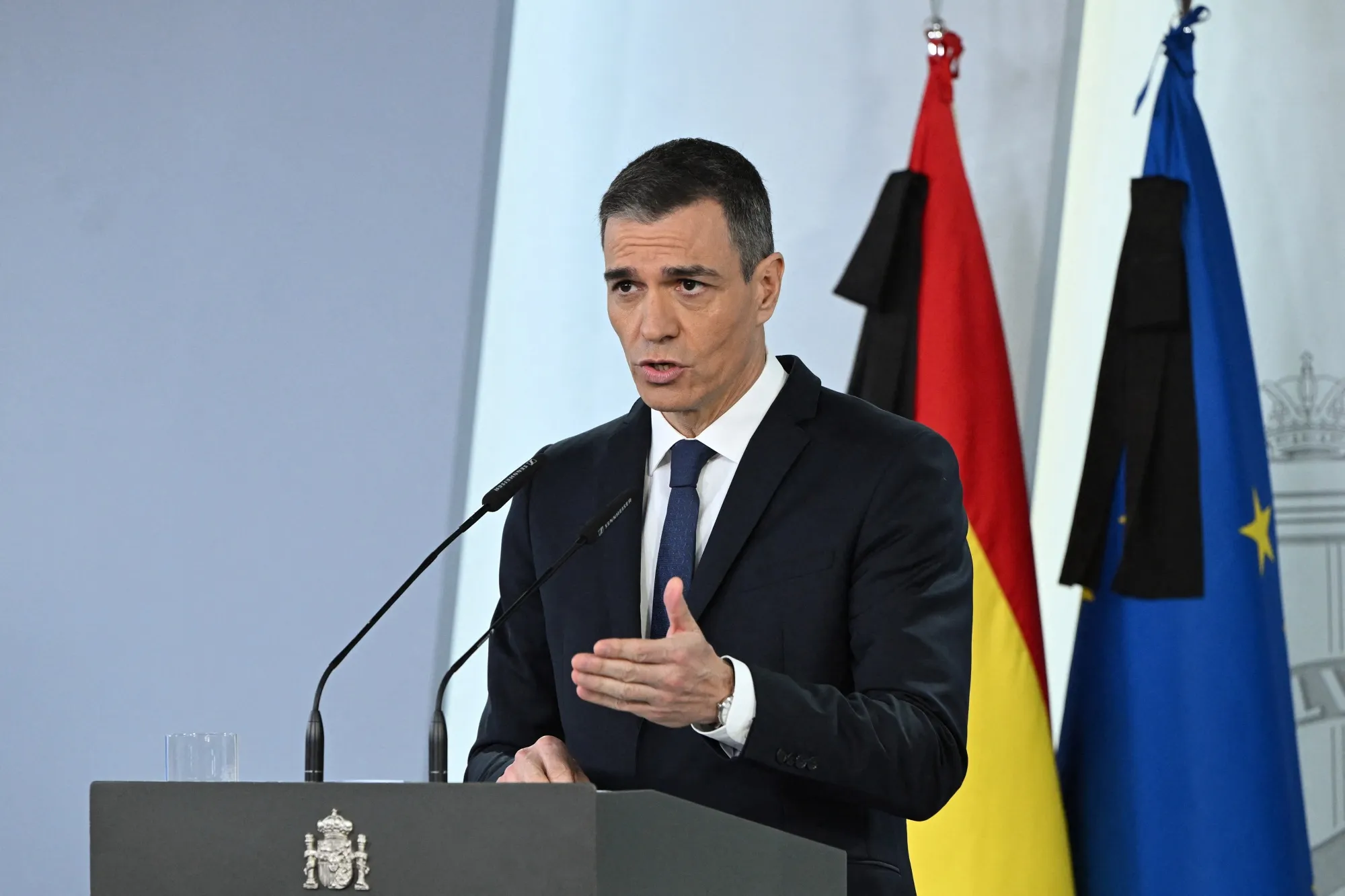
Prime Minister Pedro Sánchez presented the plan after a cabinet meeting, emphasizing Spain’s need to catch up with European peers and respond to a changed geopolitical reality.
The government will submit the plan to Brussels and NATO for review. Spain moves from 1.28% of GDP in 2024 to 2% in 2025, closing a long-standing gap as the lowest spender among major NATO economies.
The government insists this surge will not raise taxes, increase debt, or cut social spending. Officials say the money will come from redirected EU recovery funds, government savings, and unused budget items from 2023.
This approach aims to limit fiscal risk while meeting alliance commitments. The plan divides new spending across five pillars. Over one-third will improve pay, equipment, and training for military personnel, including new hires.
About 31% targets telecoms, satellites, and cybersecurity, with the goal of building a “digital shield” for Spain. Nearly 19% will fund new defense and deterrence equipment, while 17% supports dual-use assets for disaster response, such as rescue helicopters and firefighting planes.
The remaining 3% will improve conditions for Spain’s 3,000 troops on overseas missions. Spain’s government claims less than a fifth of the funds will go to traditional arms purchases, focusing instead on technology and dual-use infrastructure.
Officials say 87% of the money will stay with Spanish businesses, supporting industrial corridors and jobs, while less than 5% will go to non-EU suppliers.
Spain’s Strategic Defense Spending Shift
The government projects the plan will boost GDP by up to 0.7%, raise research and development investment by 18%, and create 100,000 jobs. Spain’s move comes as NATO pressures all members to spend more.
Germany hit the 2% mark in 2024 with €90.6 billion, using a special fund for modernization. France will spend €50.5 billion in 2025, balancing defense needs with fiscal constraints.
Italy, at 1.57% of GDP, lags behind, while the UK plans to reach 2.36% in 2025 and Poland leads Europe at 4.7% of GDP. Spain’s pivot is pragmatic. Rising defense spending in Europe reflects not only security concerns but also industrial and economic priorities.
Spain’s plan aims to strengthen its defense sector and retain value in the national economy. It also seeks to avoid the fiscal pitfalls currently facing France and Italy.
The government’s strategy responds to market realities and alliance pressure, not ideology. Spain’s defense surge marks a shift from laggard to contender, with a clear eye on both security and economic returns.
This article was produced by The Rio Times’ automated newsroom system. How we use AI · Report an error · Editorial responsibility: Matthias Camenzind, Editor-in-Chief
Read More from The Rio Times