Grupo México Locks In Funding for a Long-Stalled Peru Copper Mine

Markets
Key Facts
—The money. Southern Copper, part of México’s Grupo México, raised $1.25bn in a New York bond sale to develop the Tía María project.
—The terms. The bonds pay annual interest of five and thirty-five hundredths percent until they mature in twenty thirty-six.
—The output. Tía María is designed to produce one hundred and twenty thousand tonnes of refined copper a year.
—The timeline. The company expects the mine to begin operations in the third quarter of twenty twenty-seven.
—The history. The project sat blocked for more than a decade by protests in the Arequipa farming region.
—The jobs. Southern Copper says the project has generated some five thousand three hundred jobs so far.
Committing more than a billion dollars to a mine that sat frozen by protest for over a decade is a statement that Southern Copper now believes it can build and run Tía María, whatever the local opposition. For a reader in London or Munich, the significance is simple: copper is the metal the energy transition runs on, and a new source finally moving ahead in one of the world’s top producers is a signal worth tracking.
The company said in late June that it had raised one and a quarter billion dollars, mainly to develop the long-delayed Tía María project in southern Peru. The money came from a bond sale in the New York market.
What Southern Copper is building
The bonds carry an annual interest rate of five and thirty-five hundredths percent and fall due in twenty thirty-six. That is a long-dated bet, matching the decades a large mine is meant to operate.
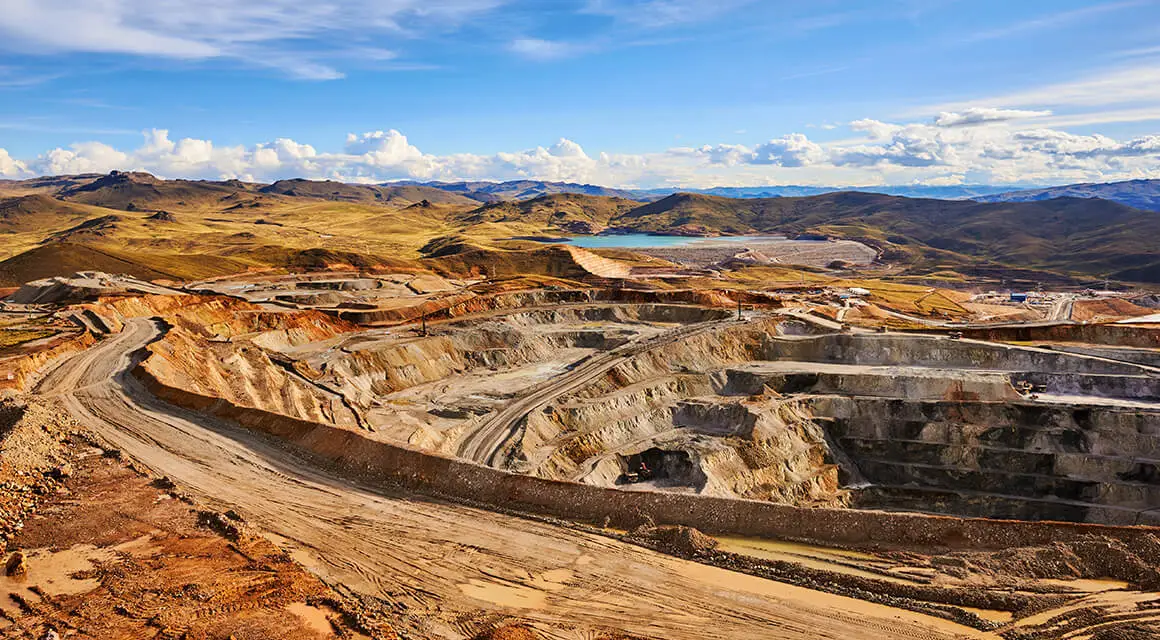
Tía María is designed to churn out one hundred and twenty thousand tonnes of refined copper a year. The company says it will use a processing method that pulls copper straight from ore without a smelter, which it presents as cleaner.
First production is targeted for the third quarter of twenty twenty-seven. Southern Copper says the work has already generated around five thousand three hundred jobs, many filled by local workers.
The parent, Grupo México, is one of the country’s largest industrial groups and among the lowest-cost copper producers in the world. Its flagship Buenavista mine in Sonora ranks among the biggest in the Americas.
Why Tía María took so long
The mine’s story is a case study in how hard it can be to dig metal out of the ground, even when the ore is there and the price is high. For years the project was a byword for stalled investment in Peru.
Farmers in the Arequipa region fought it, fearing a copper operation would foul the water and air their valley depends on. The disputes turned deadly at times and repeatedly forced the company to shelve its plans.
Peru is the world’s second-largest copper producer, so what happens at a single project ripples into global supply. New tonnes from Tía María would arrive just as demand from electric grids and vehicles is forecast to climb.
Live Company IntelligenceGrupo México S.A.B. de C.V — the full investor dossier
Valuation & profitability
Price & risk
$135.4952-wk high
$238.91
Revenue trend · 6y
Ownership
Dividend
The Southern Copper read for investors
The forward signal is whether the twenty twenty-seven start date holds. In a project with this much history, the gap between a funded plan and a working mine is where the risk lives.
If the mine comes on stream on time and without fresh unrest, it strengthens both the company’s growth story and Peru’s pitch as a place where big resource projects can still get built. If it slips again, the old doubts return.
There is a wider political backdrop too. Peru has cycled through a string of presidents in recent years, and mining disputes have often been the flashpoint, so investors read each project as a test of whether the state can hold the line.
The choice to raise the money in New York rather than lean on bank loans is itself a signal. It ties the project to public bond investors who will watch the construction timeline closely and price any delay straight into the company’s cost of borrowing.
What is Southern Copper building in Peru?
Southern Copper, part of México’s Grupo México, is developing the Tía María project in the Arequipa region of southern Peru. It is designed to produce one hundred and twenty thousand tonnes of refined copper a year, with first output targeted for the third quarter of twenty twenty-seven.
How did Southern Copper fund it?
The company raised one and a quarter billion dollars through a bond sale in the New York market in late June. The bonds pay annual interest of five and thirty-five hundredths percent and mature in twenty thirty-six.
Why was Tía María delayed for so long?
The project was blocked for more than a decade by protests from farmers in the Arequipa region, who feared it would harm local water and air. The disputes turned violent at times and repeatedly forced the company to shelve construction.
Connected Coverage
Grupo México and BlackRock Merge Power Assets Into a Generation Giant
More: Latin America news in English, every day from The Rio Times.
Frequently Asked Questions
How much money did Southern Copper raise, and where did it come from?
Southern Copper raised $1.25 billion through a bond sale in the New York market in late June. The bonds pay 5.35% annual interest and mature in 2036.
When is the Tía María mine expected to start producing copper, and how much will it produce?
The mine is targeted to begin operations in the third quarter of 2027. It is designed to produce 120,000 tonnes of refined copper a year.
Why was the Tía María project stuck for so long?
Farmers in the Arequipa region blocked it for more than a decade, fearing the mine would damage the water and air their valley depends on. The disputes turned deadly at times and repeatedly forced the company to shelve its plans.
This article was produced by The Rio Times’ automated newsroom system. How we use AI · Report an error · Editorial responsibility: Matthias Camenzind, Editor-in-Chief