SECURITY · CUBA
Key Facts
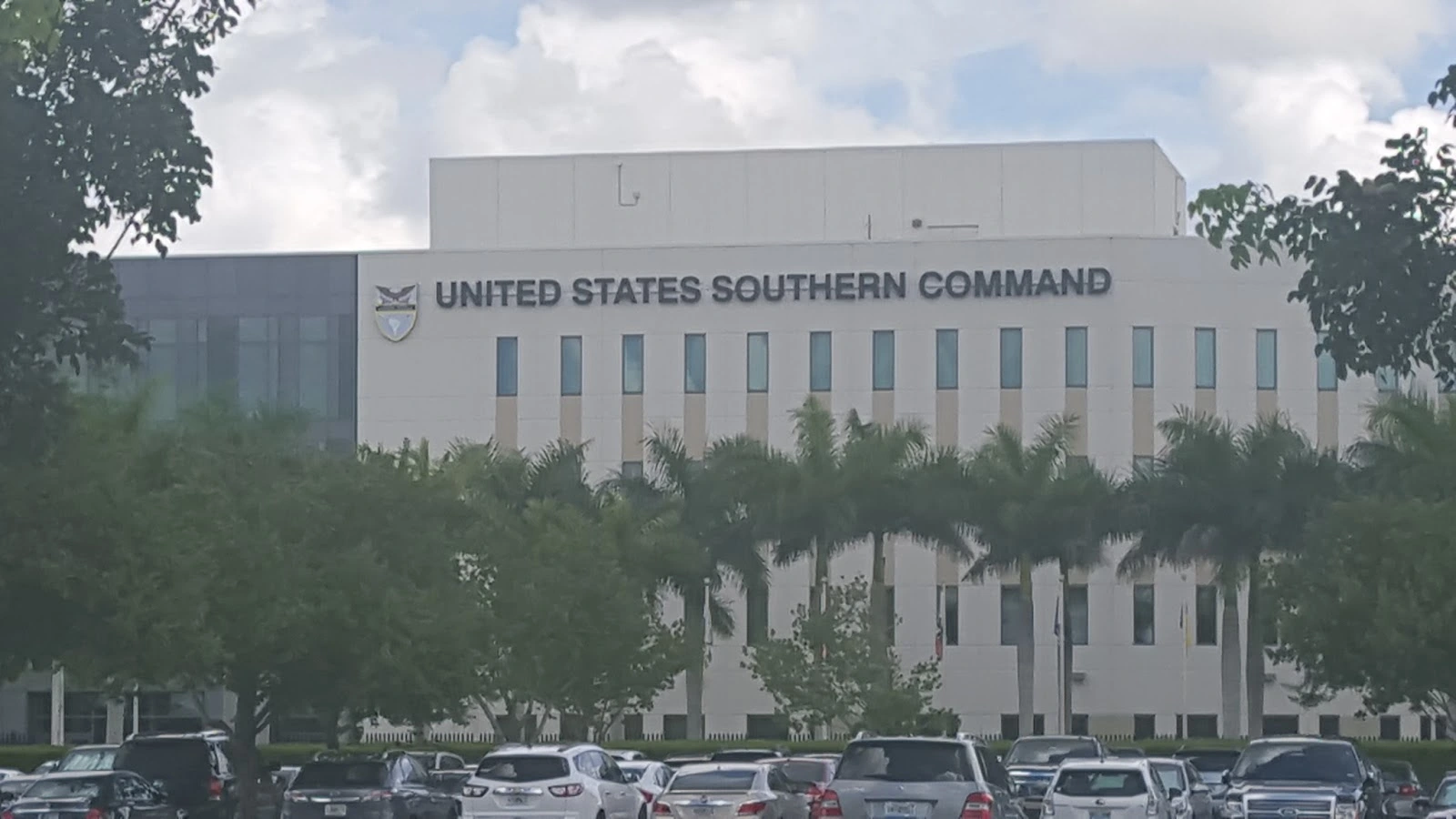
- —The country Cuba, a one-party communist island 90 miles from Florida, lies inside the area of US Southern Command (SOUTHCOM), the US military headquarters for Latin America and the Caribbean.
- —What happened On Thursday 1 October 2026 SOUTHCOM posted on X that the 82nd Airborne Division can deploy “within 18 hours of notification” anywhere in its region.
- —Who is involved SOUTHCOM, based in Miami, and the US Army’s on-call parachute division at Fort Bragg, North Carolina. The post did not name Cuba.
- —What it means for you As of 3 October no deployment order, troop number or target had been announced. The post describes a standing capability, not an operation.
- —Still open Why SOUTHCOM chose this week, and whether the message is linked to the Cuba contingency planning CBS News reported on 25 September.
US Southern Command has reminded the region that the 82nd Airborne Division can be on the move within 18 hours. The message, posted on Thursday, did not mention Cuba, but the island sits inside the command’s area.
CiberCuba, the Spain-based Cuban news site, examined the post on Saturday 3 October. Its reading is that the message is a public show of readiness, not a countdown to an operation.
What SOUTHCOM Said
“18 hours notice. Anywhere in the world,” the post opened, over a video of paratroopers. It said the division can conduct “forcible entry parachute assaults and secure key objectives anywhere in the world.”
The command added that this made it “clear that our reach is absolute and our response is immediate” across its area. By Saturday the post showed more than 680,000 views on X.
What the 18 Hours Actually Mean
The figure is not new. The US Army’s own page for the 82nd Airborne states that it “rapidly deploys within 18 hours of notification” and conducts parachute assaults for “follow-on military operations”.
CiberCuba stresses that the window covers the first echelon, not a whole division. It cites the Army’s response to tensions with Iran on 31 December 2019.
According to an official Army account cited by the outlet, the first elements left Fort Bragg within 18 hours. About 3,500 paratroopers followed to the Middle East over the next days.
The site also notes that in a 2023 readiness exercise the division spoke of an initial airborne entry within 18 hours. Larger forces would gather within 96 hours.
What It Signals to Havana, According to CiberCuba
The outlet calls the post “a public signal of military readiness”. It adds that the post does not, on its own, show any mission assigned against Cuba.
In military doctrine, it explains, “forcible entry” means seizing an airfield or similar point so heavier forces can follow. That is not the same as taking a country in 18 hours.
The site links the attention the post drew to a busier US military calendar in the Caribbean. On Friday SOUTHCOM said Guantánamo Bay naval base will host the first training site of its new Autonomous Warfare Command.
On 25 September CBS News reported that the Army Reserve was canvassing six unit types for Cuba military planning. That message, too, named no destination and carried no deployment order.
The Diplomatic Track Runs Alongside
The military messaging sits next to a softer line from the White House. On 26 September President Donald Trump predicted a deal with Cuba, saying: “I don’t think we’ll need the military.”
CiberCuba’s own summary is plain. The 18 hours describe “a permanent military response capability, not a countdown”.
What Is Not Yet Known
SOUTHCOM has not said why it published the 82nd Airborne message this week. It has not linked it to Cuba or to any other country.
It is also unclear whether Havana will answer the post publicly. No mobilisation, troop figure or timetable for any operation involving the island has been announced.
Sources: U.S. Southern Command on X (1 Oct 2026) · CiberCuba (3 Oct 2026) · CiberCuba on Guantánamo (3 Oct 2026) · US Army, division mission page
This article was drafted with automated assistance and reviewed before publication. How we use AI · Report an error · Editorial responsibility: Matthias Camenzind, Editor-in-Chief