Chile and Argentina excel in the global wine market due to their fertile soil and ideal climate, producing award-winning wines.
Despite local ups and downs, exports remain strong. Stats from the International Organisation of Vine and Wine (OIV) put both in the top ten.
They excel in vineyard areas, wine-making, and shipping abroad. Argentina also stands out for its high wine consumption.
As of July 2023, Argentina exported 87.4 million liters at $4.20 each. This shows a 24% drop in volume but a 9.6% price boost compared to last year.
A shrinking global market affects key exporters, including Chile. Both countries target the same main markets: the U.S., Canada, the U.K., and China.
Weather challenges have pushed up prices. In Argentina, some producers even stopped sales due to soaring costs.
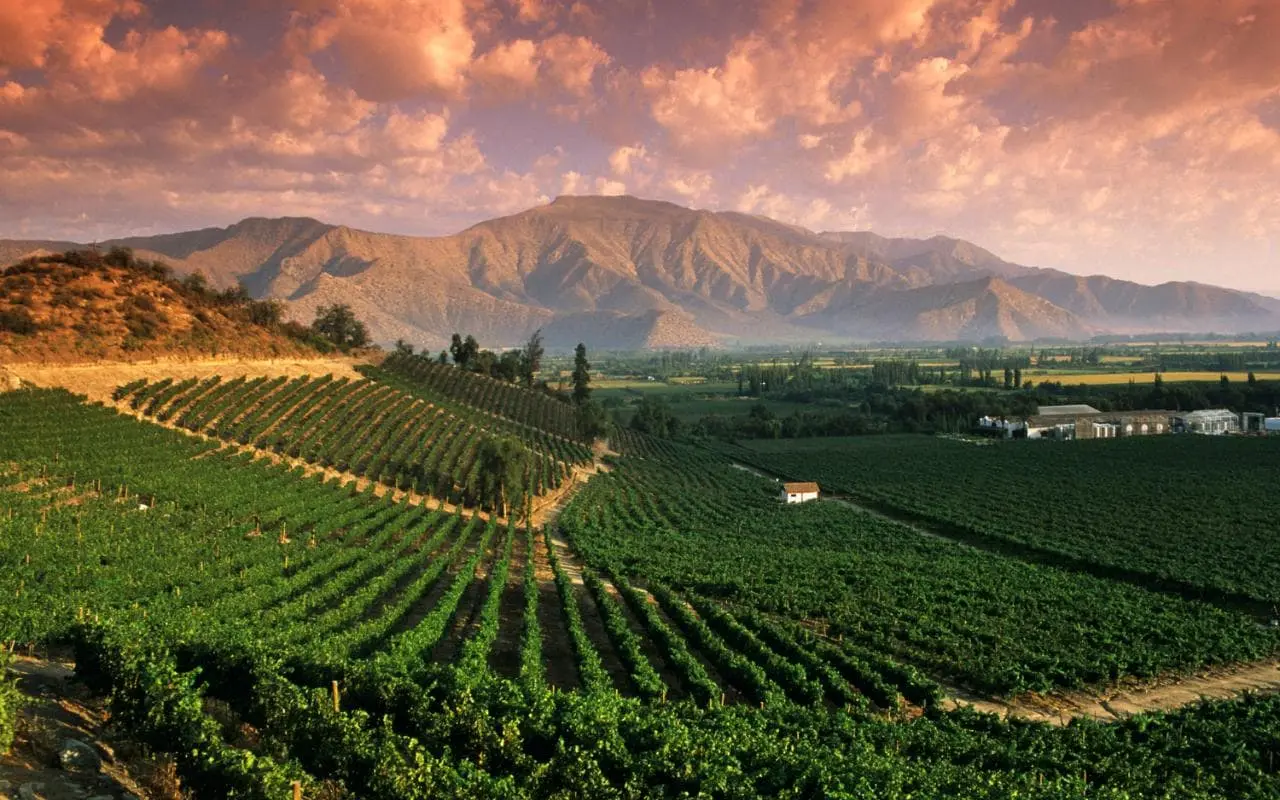
Malbec and Cabernet Sauvignon
Cabernet Sauvignon and Malbec remain the star exports.
In Chile, exports reached about 181.6 million liters in the first half of 2023. This marks a 23% decrease.
However, the country shines in exporting labeled wines like Cabernet Sauvignon. Thanks to many trade agreements, Chile enjoys almost tariff-free global access.
In the U.S., Argentina exported 21.7 million liters during the first half of this year. Chile followed closely with 19 million liters.
Both nations must adapt to changing consumer needs and consider new business avenues, like wine tourism, to stay ahead.
Wine matters to both nations’ economies. For Chile, it makes up 0.5% of its GDP. Foreign sales of Chilean wine account for 16.5% of all its agricultural exports.
By 2027, the sector could see revenues exceeding $5.3 billion.
Both nations must confront climate change, which threatens grape growing. Vineyards are moving further south for better conditions.
To cushion economic impacts, they’re exploring new avenues like wine tourism.
More: Argentina news in English, every day from The Rio Times.
This article was produced by The Rio Times’ automated newsroom system. How we use AI · Report an error
Read More from The Rio Times