South Africa Local Elections Set for 4 November 2026
SOUTH AFRICA · ELECTIONS
Key Facts
- —What is being decided Who runs South Africa’s towns and cities: 10,526 council seats across eight metros and 249 municipalities.
- —When Wednesday 4 November 2026.
- —Who called it Cooperative Governance Minister Velenkosini Hlabisa, by gazette on 7 August. The date is set by the minister, not the electoral commission.
- —The ANC’s position It last won 45.59% of the local vote in 2021 and 40.18% nationally in 2024. Its national majority is gone.
- —The polling One September survey puts the ANC on 31% and the Democratic Alliance on 25%.
- —The wild card The MK Party, which took 45% of KwaZulu-Natal in 2024 and polls at 55% in Durban.
The question in November is no longer whether the ANC loses its dominance. It lost that in 2021. The question is who ends up running Johannesburg, Durban and Pretoria.
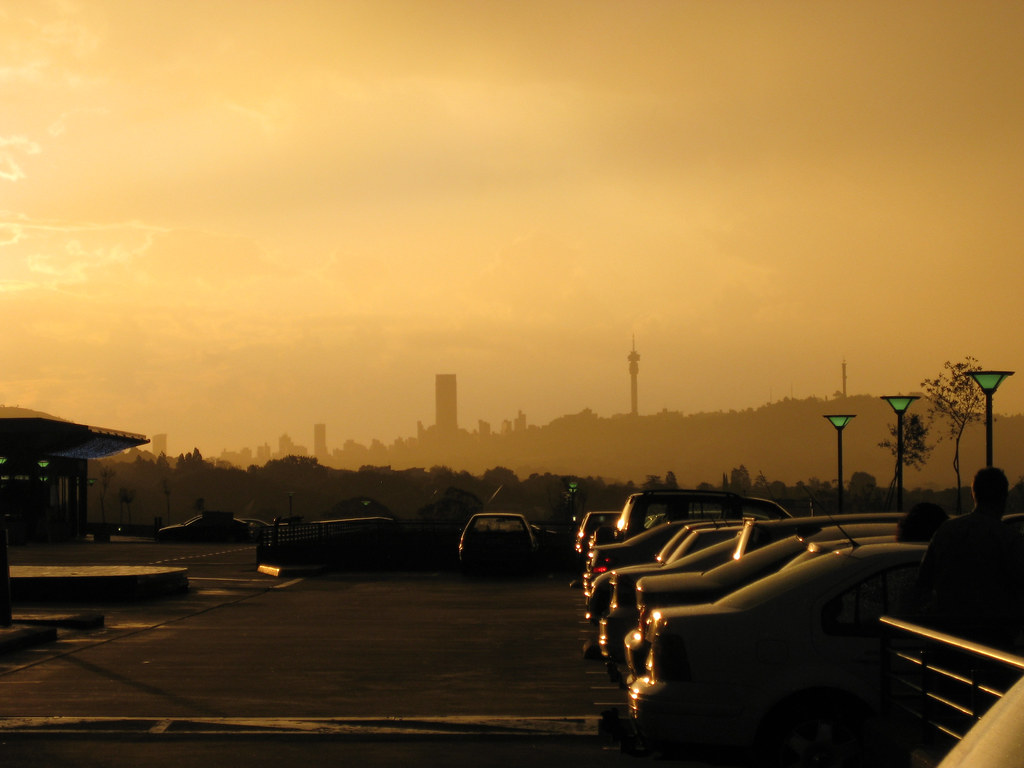
South Africa votes for its councils on 4 November. It is the first local test since the African National Congress lost its national majority.
The Mechanics
Minister of Cooperative Governance and Traditional Affairs Velenkosini Hlabisa gazetted the date on 7 August.
His wording was formal and short. He called an election of all municipal councils and set 4 November 2026 as the date.
The gazette closed the voters’ roll. About 29 million voters are registered and 620 parties have registered.
At stake are 10,526 seats across eight metropolitan municipalities, 205 local municipalities and 44 district municipalities.
Where the ANC Actually Stands
The ANC has already lost its majority twice, and the two defeats measure different things.
In the 2021 local elections it took 45.59%, its first result below 50%. The Democratic Alliance took 21.62% and the Economic Freedom Fighters 10.32%.
That left five of the eight metros hung. The ANC held Buffalo City and Mangaung outright; the DA held Cape Town.
In the 2024 national election the ANC took 40.18% and 159 of 400 seats, down 71. Thirty years of single-party government ended.
The comparison that matters in November is with 45.59%, not 40.18%. Local and national elections are different animals in South Africa.
What the Polling Says
Ipsos published a survey on 4 September, based on 3,500 interviews with a margin of error of about 1.77 points.
It puts the ANC on 31%, the DA on 25%, the MK Party on 14% and the EFF on 11%. ActionSA has 6%, the IFP 3% and the Patriotic Alliance 2%.
The metro numbers are where the election will be decided. Johannesburg splits 31% ANC to 27% DA, and Tshwane splits 31% DA to 22% ANC.
In eThekwini, which contains Durban, the MK Party polls at 55%.
Ekurhuleni, Nelson Mandela Bay and Buffalo City are all close enough that coalition arithmetic will decide them.
The Party That Changed the Map
The MK Party did not exist before December 2023. In the 2024 election it took 58 seats and 45.35% of KwaZulu-Natal.
The ANC fell in that province from 54.22% to 16.99% in a single cycle.
If the Durban polling holds, the MK Party will take South Africa’s third-largest city outright.
That would be the first metro won by a party formed less than three years earlier.
What Foreign Residents Should Expect
Local government in South Africa delivers water, electricity distribution, refuse collection and roads. It is the tier that determines daily life.
Johannesburg has spent five years under shifting coalitions, with mayors changing almost annually. Service delivery has suffered visibly.
A November result that produces more hung metros means more of the same. A clear winner in any metro would be the surprise.
Immigration has become a central campaign theme, which is why the argument over deportation spending has been so loud this month.
More: Africa news and analysis, every day from The Rio Times.
Background: BRICS Just Got Bigger — Who’s In, Who’s Still Out, and Why It Matters.
Background: Brazil Election Results 2026: Live Updates, Vote Count and Runoff Scenarios.
Background: Brazil Focus Survey Shows Weaker Growth, Sticky Inflation.
Frequently Asked Questions
When are South Africa’s local elections?
Wednesday 4 November 2026, gazetted on 7 August by the minister of cooperative governance.
What is being elected?
10,526 council seats across eight metros, 205 local municipalities and 44 district municipalities.
How did the ANC do last time?
It took 45.59% in the 2021 local elections, its first result below 50%, and 40.18% nationally in 2024.
What do polls say now?
An Ipsos survey published on 4 September puts the ANC on 31% and the DA on 25%.
Who could win Durban?
The MK Party polls at 55% in eThekwini, which contains Durban.
Who sets the election date?
The minister of cooperative governance, not the electoral commission, which administers the vote.
Sources: Government Gazette, SAnews, Electoral Commission of South Africa, Ipsos, Daily Maverick, News24.
This article was produced by The Rio Times’ automated newsroom system. How we use AI · Report an error
Read More from The Rio Times