A Drone Hit a Saudi Pipeline, Oil Prices Passed US$108, and Brazilian Banks Paid for It
MARKETS · ENERGY
Key Facts
- —What happened Drones hit a Saudi oil pipeline. The price of a barrel went above US$108.
- —Why Latin America cares The region both sells oil and buys fuel. Monday moved both sides at once.
- —The pipeline It was built to carry Saudi crude away from the Gulf, avoiding the world’s tightest shipping lane.
- —The second squeeze That lane, the Strait of Hormuz, is already carrying about a third of its normal traffic.
- —In São Paulo Petrobras shares rose. The stock market still fell, dragged down by banks and miners.
- —The catch Neither the Chilean nor the Colombian peso gained, though both countries sell commodities.
The pipeline that was attacked exists because of the shipping lane that is also blocked. That is why one drone moved so much money.
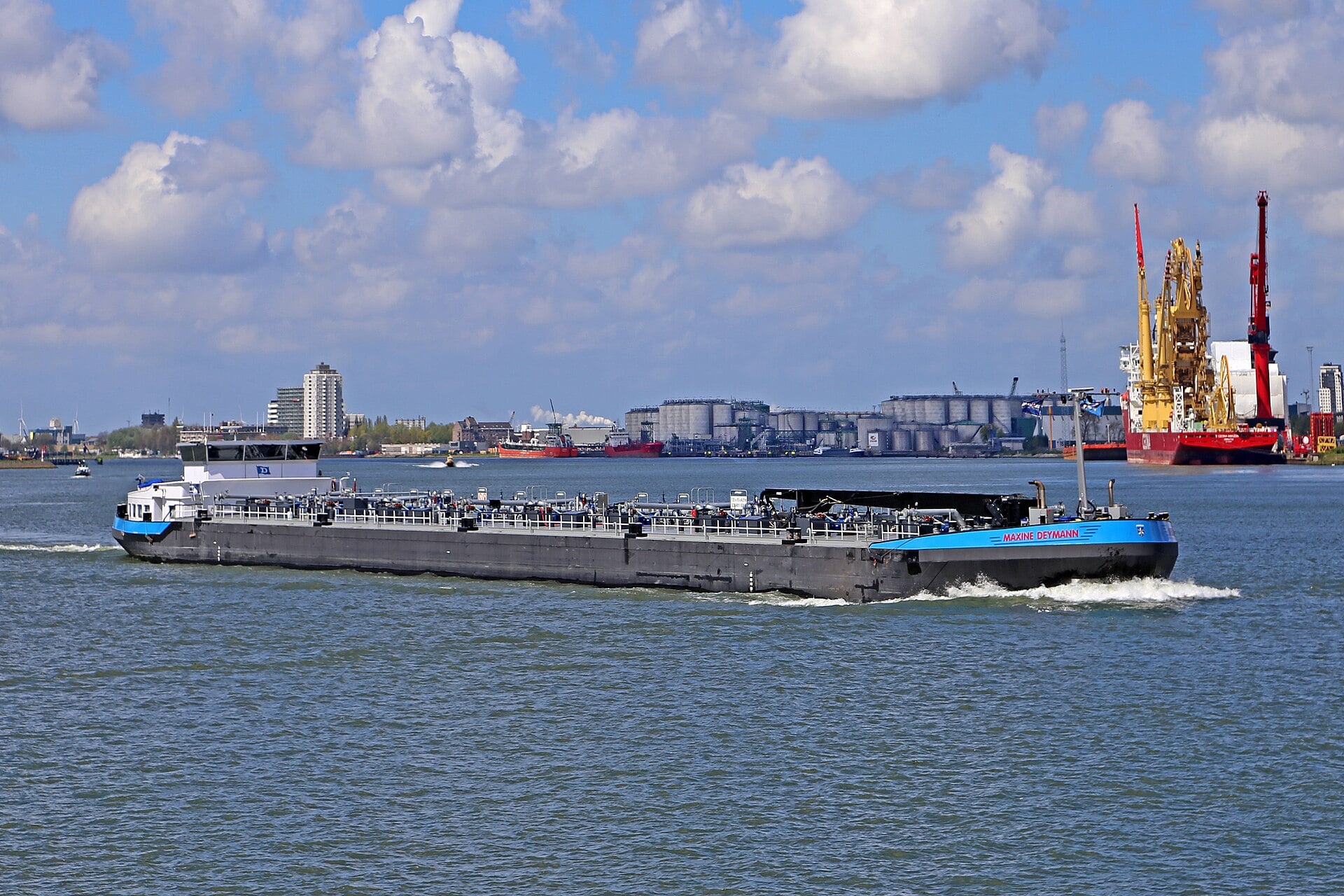
Sometime in the dark between Thursday and Friday, drones launched from southern Iraq crossed into Saudi Arabia and found a pipeline. Oil prices have not stopped moving since.
By Monday lunchtime the consequences had reached a trading floor in São Paulo. They did not land where anyone expected.
Oil prices went above US$108 a barrel, against a Friday close of US$104.61. The Brazilian stock market opened more than three thousand points lower.
The Pipeline That Exists Because of the Strait
The line the drones hit runs 1,200 kilometres from Abqaiq in eastern Saudi Arabia to Yanbu on the Red Sea. The industry calls it Petroline.
It was built for one reason. Oil loaded at Yanbu never has to pass through the Strait of Hormuz, the narrow channel between Iran and Oman.
Hormuz has been the single point of failure in the oil trade for fifty years. Petroline was the answer to it.
So the pipeline is not an ordinary piece of infrastructure. It is the hedge, and the hedge is what has been taken out.
Saudi Arabia says the line was stopped as a precaution. The energy ministry spoke, and Saudi Aramco itself said nothing.
The foreign ministry blamed drones flown from Iraq and reported injuries. Iraq’s prime minister confirmed launches from Maysan province and dismissed the local commander.
Nobody has claimed the attack. Between four and five million barrels a day were moving through the line, close to one barrel in twenty worldwide.
Why the Hedge Mattered This Week
In a normal month those barrels would simply take the other route. They would sail out through Hormuz instead, and the market would shrug.
This is not a normal month. Traffic through the strait has fallen to roughly seven million barrels a day, against about twenty before the current conflict.
Ships are reported to need Iranian permission to pass. On Sunday a merchant vessel was struck there, killing one crew member and injuring three.
Counting what actually moves has become contentious. Commercial trackers log ten to thirteen transits a day, while United States officials give figures several times higher.
Monday’s trigger was not military at all. Oman postponed talks between the Gulf states and Iran over shipping, and set no new date.
That was enough. With the bypass shut and the strait rationed, traders had nowhere to put oil prices except higher.
Live Company IntelligencePetroleo Brasileiro Petrobras SA ADR — the full investor dossier
Wall Street view
Valuation & profitability
Price & risk
$10.6552-wk high
$21.59
Revenue trend · 6y
Ownership
Dividend
What Brazil Actually Did With the News
The obvious expectation was that Brazil’s oil producer would carry the market. The opposite happened.
Petrobras rose, with its preferred shares up about 1.1%. PetroRio, Brava and PetroReconcavo gained alongside it.
The Ibovespa fell anyway. It touched 183,813 before recovering to around 185,400 by early afternoon in Brasília.
The weight came from the lenders and the miners. Bradesco, Santander Brasil, Vale, Itaú, B3 and Banco do Brasil each lost between 1.8% and 2.4%.
Three forces pressed at once. Expensive crude, a United States ten-year yield above 5%, and a global retreat from technology shares.
Brasília supplied a fourth. The Supreme Court meets on Tuesday in a crisis that has run a fortnight, and money dislikes watching institutions fight.
The real slipped to around 5.17 to the dollar. These were intraday levels, taken before the session closed.
The Currencies That Refused to Cooperate
There is a tidy version of this story in which oil exporters’ currencies strengthen. Monday declined to provide it.
The Chilean peso fell for a fourth straight session, reaching 957.45 to the dollar. It has not been that weak since October 2025.
Copper explains part of it. The metal dropped 1.37% and has now fallen four days running, which matters more to Chile than any barrel does.
Colombia has no such excuse. It sells oil, and its peso still weakened to around 3,105 against an official rate of 3,072.27.
The dollar was simply stronger than everything. Its index rose 0.57% as investors positioned for Wednesday’s Federal Reserve decision.
Argentina did not move at all. The parallel dollar finished at 1,545 pesos, flat, with the gap to the official rate near 1%.
The Colombian Windfall That Is Not One
One number is travelling fast in Bogotá. A figure of 35 to 40 trillion pesos, about US$13bn, has been attached to this week’s rally.
It came from Frank Pearl, who runs Colombia’s petroleum and gas association. It is the industry’s estimate, not the treasury’s.
It also describes the sector’s total contribution across the whole of 2026, rather than any windfall. And it assumes oil prices average US$90 to US$100 for the year.
Colombia’s own financial plan assumes US$85.50. One violent Monday does not make an annual average, and the fiscal year has three months left to disagree.
More: Latin American business and markets, every day from The Rio Times.
Frequently Asked Questions
Why did oil prices rise so sharply?
Drones hit Saudi Arabia’s East-West pipeline overnight between 10 and 11 September, and it was shut. The line carried four to five million barrels a day, close to 5% of world supply.
Is the Strait of Hormuz closed?
No. It is open but heavily restricted, carrying roughly seven million barrels a day against about twenty million before the conflict. Reports of a closure are not supported by shipping trackers.
Why does one pipeline matter this much?
Because it was built to avoid Hormuz. With the strait already rationed, the route that existed as insurance against it is the one now out of service.
Did Petrobras shares fall with the Brazilian market?
No. Petrobras rose about 1.1% on Monday. The Ibovespa was pulled down by Vale and the large Brazilian banks.
Will Colombia collect 40 trillion pesos in extra royalties?
That figure, about US$13bn, is an industry association estimate of the sector’s total 2026 contribution rather than extra income. It assumes a full-year average price of US$90 to US$100.
Sources: Trading Economics, Euronews, Al Jazeera, EnergyNow, InfoMoney, Seu Dinheiro, La Tercera, El Espectador, La Nacion and La Republica.
This article was produced by The Rio Times’ automated newsroom system. How we use AI · Report an error
Read More from The Rio Times
- Eleven Judges, One of Their Own Under Suspicion, and a Country Watching: Brazil Supreme Court Meets Tuesday
- Two Brazil Runoff Polls Put Different Men in Front. The Difference Is a Telephone.
- The Dark Horse Forensic Report Clears the Bolsonaro Film. Its Author Never Looked at Where the Money Came From.