Turkish Arms Ship Freed Off Somalia as Rescue Accounts Clash
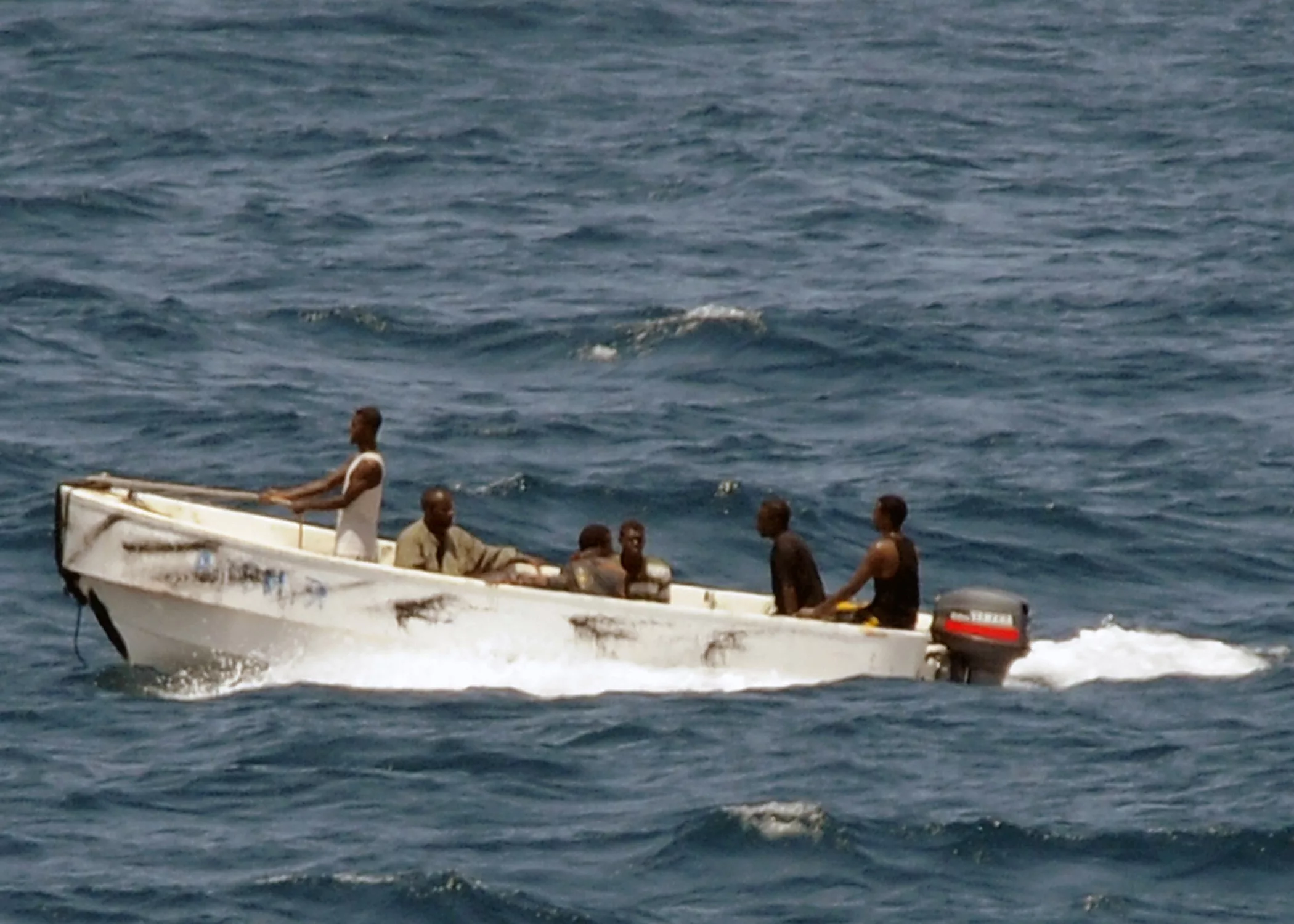
Somalia · MARITIME SECURITY
Key Facts
- —Seizure Eight armed men seized the Cameroon-flagged MV LUTUF on 17 August, about 3.5 nautical miles off Marraya in Puntland’s Eyl district.
- —Crew The ten people aboard were six Indians, one Turkish national, one Georgian and two Serbian security guards.
- —Release Somalia’s defense ministry said a joint Somali-Turkish operation freed the ship on 29 August and killed 14 alleged pirates. Puntland’s security ministry says the pirates left after a ransom was paid.
- —Context Before the release, the International Maritime Organization said six merchant ships and more than 90 seafarers were being held in the region.
A cargo ship carrying Turkish military equipment is free after twelve days off Somalia’s Puntland coast, but the two governments involved tell sharply different stories about how.
Somalia’s defense ministry said on 29 August that Somali and Turkish forces had freed the MV LUTUF, the Cameroon-flagged cargo ship held by pirates off the Puntland coast since 17 August. It said the operation killed 14 alleged pirates and destroyed four of their boats.
Puntland, the semi-autonomous region where the ship was held, immediately rejected that account. Its security ministry said no military operation took place and that the pirates left voluntarily after being paid.
What Mogadishu says happened
The federal defense ministry said the vessel and its crew were freed in a joint operation by the Somali army and the Turkish navy that lasted ten days. It said the remaining pirates fled the vessel, allowing the forces to take control of the ship.
The operation was conducted under a defense cooperation agreement between Somalia and Turkey aimed at strengthening maritime security, protecting Somalia’s coastline and combating piracy, the ministry said. Turkey is one of Somalia’s closest security partners and trains thousands of Somali soldiers.
The ministry gave no details about casualties among its own forces or the well-being of the crew. Abdullahi Warsame, a local elder from the Jiifle community in the Godob Jiiraan district where the vessel was held, told the Associated Press that the vessel and its crew had been freed.
The hijacking itself
The LUTUF was seized on Monday 17 August, about 3.5 nautical miles off Marraya in Puntland’s Eyl district, a Somali official told the Associated Press. The United Kingdom Maritime Trade Operations, the Royal Navy’s shipping-alert desk, said eight armed individuals boarded the vessel and took control of it.
The ship, owned by Polar Movement Shipping, was sailing from Turkey toward Dar es Salaam in Tanzania. Its cargo was weapons, communications and satellite equipment bound for TURKSOM, the Turkish military training facility in Mogadishu that is Ankara’s largest overseas base.
The ten-member crew comprised six Indians, one Turkish national, one Georgian and two Serbian security guards. Neither the Indian nor the Turkish authorities made any public statement while the ship was held.
The eight pirates were believed to belong to the same group that seized the merchant vessel Sward on 26 April. They steered the LUTUF toward the coast near Garmaal, in Puntland’s Dangoroyo district on the Nugaal shore.
Puntland tells a different story
Puntland’s Ministry of Security rejected the military-rescue account outright. It said the pirates freed the LUTUF voluntarily after receiving the ransom they had demanded.
The ministry said the payment was facilitated by members of the federal government, who it said had been in phone contact with the pirates since the day of the hijacking. Local media and journalists in Puntland put the ransom at US$2.5 million; earlier unconfirmed reports of the pirates’ demand had cited about US$2 million.
Puntland’s government condemned any ransom payment, warning that it risks emboldening pirates and undermining efforts to combat piracy along Somalia’s coast. Turkish authorities have not commented publicly on either version of the release.
The strike that killed four men
On 18 August, a day after the hijacking, a small boat delivered khat, a stimulant widely chewed in Somalia, to the held vessel. After the boat returned to shore, an airstrike hit the area, killing four men and wounding two.
The Associated Press could not establish who carried out the strike or whether the dead had any connection to the pirates. Turkish naval vessels, helicopters and drones had been reported monitoring the area, but Ankara has never publicly confirmed a strike on Somali territory.
Puntland says the dead were fishermen, and its president, Saeed Abdullahi Deni, accused Ankara of killing civilians in strikes on 18 and 20 August. Garmaal held burials for the men, and former foreign minister Abdisaed Muse Ali called the killings a brutal act of aggression by Turkey.
A piracy season like the old days
The LUTUF was the fifth merchant ship seized off Somalia since April, and not the last. Three days after it was taken, six armed men boarded the tanker Seamull about 136 nautical miles east of Mukalla in Yemen and diverted it toward Somalia.
That prompted the International Maritime Organization, the United Nations shipping agency, to warn that six vessels were being held in the region: the Honour 25, taken on 21 April; the Sward, on 26 April; the Eureka, on 2 May; the Asana, on 17 July; the LUTUF; and the Seamull. Secretary-General Arsenio Dominguez said more than 90 seafarers were captive and demanded their immediate release.
The resurgence has coincided with heavier traffic along the Somali coast. Security threats in the Red Sea and the Strait of Hormuz have pushed carriers to reroute through the western Indian Ocean, putting more ships within reach of pirate groups operating from the shore.
What to watch now
The first open question is the crew. Ten men, most of them Indian, spent twelve days in pirate hands, and no government has yet confirmed their condition or where the LUTUF will be taken.
The second is money. If a ransom was paid, as Puntland insists, negotiators will have handed the region’s pirate networks fresh funding at the very moment the world’s navies are stretched between the Gulf of Aden and the Gulf.
Five of the six ships on the maritime agency’s list, and their crews, remain in pirate hands tonight. The LUTUF’s release, however it was bought, is the exception in this season, not the rule.
Frequently Asked Questions
Where exactly was the LUTUF hijacked?
About 3.5 nautical miles off Marraya in Puntland’s Eyl district on 17 August. The pirates then moved the ship to the Nugaal coast near Garmaal, where it was held until 29 August.
Was a ransom paid for the ship?
That is disputed. Somalia’s defense ministry says a joint Somali-Turkish military operation freed the vessel, while Puntland’s security ministry and local media say a ransom of about US$2.5 million was paid. Turkey has not commented on either account.
Who are the crew, and are they safe?
Ten people: six Indians, one Turkish national, one Georgian and two Serbian security guards. A local elder said the crew was freed with the ship, but no government has officially confirmed their condition.
Is piracy off Somalia getting worse?
Yes. Six merchant vessels were seized between April and August, and the International Maritime Organization counts more than 90 seafarers held hostage, the worst spell of Somali piracy in about a decade.
Connected Coverage
Sources
- abcnews.com (Associated Press)
- hiiraan.com (Associated Press)
- somaliguardian.com
- ftlsomalia.com
- somaliatoday.com
- en.kaabtv.com
- thesomalidigest.com
- defenceweb.co.za
This article was produced by The Rio Times’ automated newsroom system. How we use AI · Report an error · Editorial responsibility: Matthias Camenzind, Editor-in-Chief