Sink isn’t the dirtiest place in your kitchen, research reveals; see which is
You might think it would be the sink — the drain is a source of shivers for many people and the sponge is the ‘disgusting’ champion — but the dirtiest place in your kitchen, even after a good recipe, is in another sector of the environment.
According to a study carried out by a group of researchers at North Carolina State University and Rutgers University, both in the US, and published in the Journal of Food Protection in November, the most harmful place is your spice rack.
To establish what the kitchen’s danger zone was, the scholars asked 371 participants to prepare a recipe for turkey pies purposely contaminated with an easy-to-trace bacteria that does not affect humans, MS2, as well as a salad.

While most surfaces, after the end of the meal, did not show more than 20% of contaminated samples, the pots where peppers, oregano, rosemary and other ingredients were kept reached 48% of contamination, with high concentrations of bacteria in the places that tested positive.
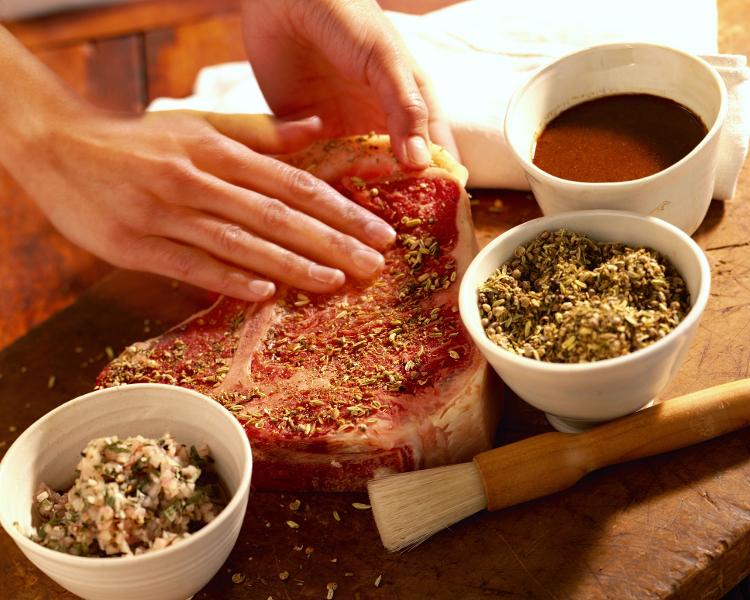
“The high level of MS2 in the spice racks led to significant differences between surfaces,” wrote the researchers, who further concluded that the containers are “vehicles of cross-contamination, despite the absence of previous reports.”
“We were surprised because we hadn’t seen evidence of contamination in spice racks before. Most of the research on cross-contamination of surfaces in the kitchen due to handling raw meat or poultry products has focused on cutting boards or faucets,” commented professor Donald Schaffner, who led the group of scholars, to the specialist website Food Safety News.
In view of the findings, the researcher has advice for amateur and professional cooks: extra attention to those places where you pass your hands all the time.
“Aside from those more obvious surfaces like the cutting boards, trash can lids and fridge handle, there’s something else you need to pay attention to when trying to keep your kitchen clean: our research shows that any jar of spices you touch when you are preparing raw meat it can be contaminated”, he warns.
So, before you reach for that little pot to season the meat, it’s best to wash your hands – before you spread bacteria around your kitchen and food.
With information from UOL
This article was produced by The Rio Times’ automated newsroom system. How we use AI · Report an error · Editorial responsibility: Matthias Camenzind, Editor-in-Chief
Read More from The Rio Times