Sabesp EMAE Merger Clears Final Shareholder Vote in Brazil
Brazil · Utilities
Key Facts
- —What happened EMAE shareholders approved a share swap with Sabesp on 16 September 2026, after the securities regulator forced a seven-week delay.
- —What holders get Each EMAE share, ordinary or preferred, converts into 1.3195 ordinary shares in Sabesp.
- —How to take cash instead Dissenting EMAE holders may demand R$18.18 a share (about US$3.53) until 19 October 2026.
- —What Sabesp gains Reservoirs and hydroelectric plants, and a first step into the electricity sector alongside its water and sewage business.
- —Who is buying The São Paulo state water utility, which paid US$194 million to US$213 million for control of EMAE in October 2025.
- —The catch No headline value for the share swap has been published, and no formal date has been set for EMAE’s delisting.
The Sabesp EMAE merger cleared its last shareholder vote on 16 September 2026. What remains is a cash exit window for holders who want no part of it.
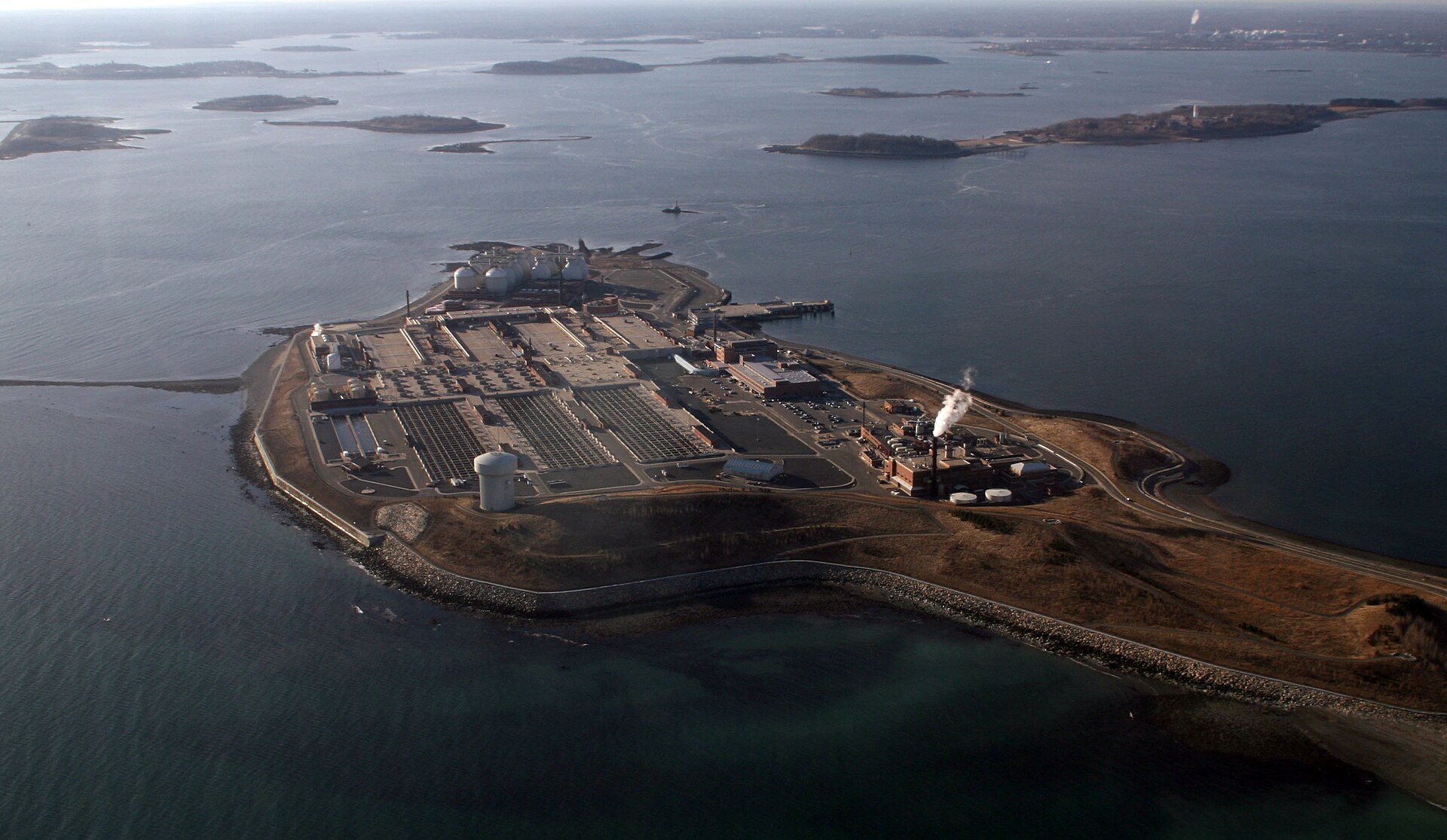
The Sabesp EMAE merger cleared its final shareholder vote on 16 September 2026. EMAE’s owners approved a share swap that Sabesp’s own shareholders had backed on 30 July.
The deal folds a small reservoir and power company into the water utility of São Paulo state. It is not yet fully closed.
Holders who object have until 19 October 2026 to demand cash instead of shares. Only once that window shuts does the transaction settle.
The ratio and the small print
Each EMAE share converts into 1.3195 ordinary shares in Sabesp. The ratio applies to ordinary and preferred shares alike, and the filing states it in full as 1.31950000000.
Ordinary shares carry a vote, while preferred shares usually trade that vote for priority on dividends. Both classes receive the same Sabesp ordinary stock.
Holders who dissent may claim R$18.18 a share (about US$3.53), a figure taken from shareholders’ equity at 30 June 2026. The alternative basis, equity at 31 December 2025, would have paid R$16.09 (about US$3.12).
To claim it, an investor must have held the shares since the record date of 23 April 2026. Fractions left over by the ratio will be pooled, auctioned on the B3 exchange and the proceeds paid out.
The share registrar also changes hands. BTG Pactual serves holders through 30 September 2026, and Itaú Corretora takes over on 1 October.

What a water utility wants with a power company
Sabesp is the Companhia de Saneamento Básico do Estado de São Paulo. It produces and distributes water and treats sewage, and trades on the B3 exchange as SBSP3.
EMAE is the Empresa Metropolitana de Águas e Energia, quoted as EMAE3 and EMAE4. It controls the Billings and Guarapiranga reservoirs and hydroelectric plants in the São Paulo interior.
The two businesses draw on the same resource. A single owner now decides how much water is held back and how much passes through turbines.
The companies give a plainer reason for the deal: better operational efficiency and fewer duplicated administrative costs. Neither has published an estimate of the savings.
The transaction also marks Sabesp’s entry into the electricity sector. That is a new regulated business for a company whose revenue has come from water and sewerage.
Live Company IntelligenceCompanhia de Saneamento Básico do Estado de São Paulo – SABESP — the full investor dossier
Valuation & profitability
Price & risk
$23.0152-wk high
$35.32
Revenue trend · 6y
Ownership
Dividend
What Sabesp paid to get here
Sabesp took control of EMAE in October 2025, and the reported price differs by source. InvestNews puts it at about R$1 billion (US$194 million).
Seu Dinheiro reports R$1.1 billion (US$213 million) for roughly 70% of the company, in a transaction involving Eletrobras and the Phoenix fund. The two figures have not been reconciled.
In March 2026 Sabesp bought a further 9.22% from the Oceania/Arys fund for R$171.6 million (about US$33.3 million). The structure announced in April 2026 then had two legs.
The first was a cash offer of R$61.83 (about US$12.00) an ordinary share, adjusted by the Selic policy rate. The adjustment ran from the close on 21 January 2026, and the second leg is the share swap now approved.
Independent committees set the exchange ratio for that second leg. No headline value for the swap itself has been published.
EMAE had been bought in April 2024 by the Phoenix fund of Nelson Tanure for R$1 billion (about US$194 million). His partner was Tércio Borlenghi Júnior of Ambipar.
Financial difficulties then handed the company to its creditors. They sold it on to Sabesp.

The challenge, and how it ended
Minority shareholders questioned the 1.3195 ratio, arguing that it lacked a transparent economic justification. They also said the meeting documents contained technical omissions.
The CVM, Brazil’s securities regulator, ordered EMAE to postpone its meeting, originally called for 30 July 2026. The delay was set at 30 days from the day the company supplied the missing information.
The regulator asked for the economic and financial case for the ratio under CVM Resolution 81/2022. It also wanted outstanding balances between the two parties and a description of Sabesp’s special interest in the deal.
EMAE said it had already complied with the rules, but republished its meeting materials with the extra data. The objection ran through the regulator rather than the courts.
The rescheduled meeting then approved the deal at the unchanged ratio. The Sabesp EMAE merger lost about seven weeks and gained disclosure, but the terms did not move.
What it means in practice
For EMAE holders the choice is now narrow. Take 1.3195 Sabesp shares for each share held, or claim R$18.18 (about US$3.53) in cash by 19 October 2026.
The stated purpose of the structure is to end EMAE’s life as a listed company. When it is done EMAE will have no shares traded on the exchange, though no deregistration date has been published.
For São Paulo, the Sabesp EMAE merger puts reservoirs, hydroelectric plants and the water system under one listed company. The ownership split after the swap, including any state holding, has not been published.
For customers, nothing changes at the tap this month. Neither company has announced an effect on water tariffs, which are set by regulation rather than by the merger.
More: Business and economy coverage, every day from The Rio Times.
Frequently Asked Questions
What is Sabesp?
Sabesp is the Companhia de Saneamento Básico do Estado de São Paulo, the water and sanitation utility of Brazil’s richest state. It produces and distributes drinking water and treats sewage, and its shares trade on the B3 exchange in São Paulo under the ticker SBSP3. Absorbing EMAE gives it reservoirs and hydroelectric plants and takes it into the electricity sector for the first time. The companies say the point is operational efficiency and the removal of duplicated administrative costs.
What is a share swap merger in Brazil?
The legal form is an incorporação de ações, in which one company absorbs all the shares of another. Holders of the absorbed company do not receive cash by default; they receive shares in the buyer at a fixed ratio, here 1.3195 Sabesp shares for each EMAE share. The absorbed company survives as a wholly owned subsidiary, which is why its stock then leaves the exchange. It lets a buyer take full ownership without paying out cash for every share.
What are withdrawal rights and who can use them?
Brazilian company law lets shareholders who oppose certain decisions demand reimbursement rather than accept them. In this case dissenting EMAE holders may claim R$18.18 a share (about US$3.53), a value based on shareholders’ equity at 30 June 2026. They must have held the shares since the record date of 23 April 2026, and the deadline to exercise the right is 19 October 2026. The alternative accounting basis, equity at the end of 2025, would have produced only R$16.09 (about US$3.12).
Why did the regulator delay the vote?
The CVM, which supervises Brazil’s securities markets, ordered EMAE to put off its meeting after minority shareholders complained about the exchange ratio. It required the company to publish the economic and financial reasoning behind the ratio under CVM Resolution 81/2022, together with outstanding balances between the parties and Sabesp’s special interest in the transaction. EMAE said it had already followed the rules but issued updated materials anyway. The rescheduled meeting approved the deal on the same terms, so the intervention bought disclosure and time rather than a different price.
Sources: Money Times on the dates and conditions for shareholders, Atlas Público on the EMAE shareholder vote, Análise de Ações on the exchange ratio, InvestNews on the deal structure and EMAE’s owners, Renova Invest on the regulator’s postponement order, Investidor10 on the minority shareholder complaint, Canal Solar on Sabesp entering the power sector, Seu Dinheiro on the price paid for control
This article was produced by The Rio Times’ automated newsroom system. How we use AI · Report an error
Read More from The Rio Times